
AllGamesGo editorial
Do Mario's Picross and Picross 2 Differ Only in Their Puzzles?
Not only in their puzzles. Picross 2 keeps the numeric picture logic but adds Easy, an auto-correcting Mario mode, and a harder Wario mode without automatic corrections.
Last updated:August 31, 2026
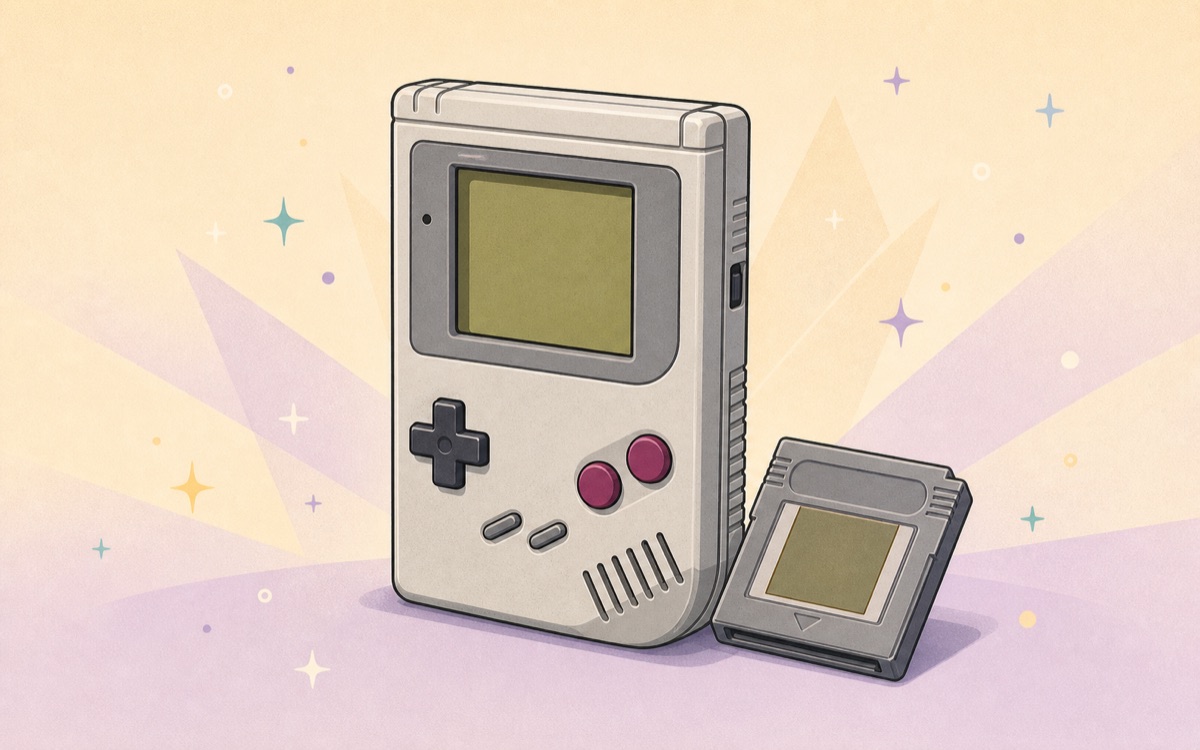
Mario's Picross and Picross 2 both ask players to study numbers at the edges of a grid and chisel squares until a hidden picture appears. The sequel naturally brings another set of puzzles, but its changes are not confined to the finished pictures. Easy, Mario, and Wario modes provide different levels of teaching and correction. The quiet logic remains the same; the new game asks whether Mario should lend a hand when the chisel slips.
The short answer: the same logic, new puzzles and modes
The 1996 Game Boy Picross 2 is a new game after the 1995 Mario's Picross, not the original 256 puzzles sold under another title. Both use row and column numbers to complete hidden pictures. The sequel adds Easy Picross for practice, Mario's Picross with automatic correction of mistaken chiselling, and the harder Wario's Picross without automatic correction.
The two Game Boy games side by side
The shared rule explains why they belong together. Their mode structures explain why the sequel deserves a separate entry.
| Game | Year and platform | Shared rule | Officially confirmed focus |
|---|---|---|---|
| Mario's Picross | 1995, Game Boy | Use row and column numbers to reveal a hidden picture | 256 stages; Time Trial after the regular modes |
| Picross 2 | 1996, Game Boy | Use row and column numbers to reveal a hidden picture | Easy, Mario auto-correction, and Wario without auto-correction |
What the first Mario's Picross offers
Nintendo's Japanese page gives the exact total of 256 stages. Its European page describes the scale more generally as over 200 picture puzzles. Those statements agree: one supplies a total, while the other gives a broad description.
The original is a single-player Game Boy game. After completing its regular Picross modes, players can test their speed in Time Trial. The official summaries used here do not specify every unlocking detail or penalty value, so those should not be invented around the confirmed outline.
How Picross 2 changes the learning curve
Picross 2 keeps the row-and-column logic but divides feedback into three levels. Easy Picross provides practice. Mario's Picross automatically corrects a mistaken square. Wario's Picross offers harder puzzles and does not point out a mistaken chisel automatically, leaving the player to locate the faulty deduction.
The sequel is therefore more than another folder of pictures. Mario mode suits players who want immediate feedback, while Wario mode makes error checking part of the puzzle itself. Wario's presence signals harder, uncorrected logic puzzles; it does not turn the game into Wario Land.
The official Japanese product name is Picross 2. This site's English catalogue calls it Mario's Picross 2 to make the relationship recognisable, but that descriptive label should not be mistaken for an overseas English Game Boy package.
Which one should you play?
Choose the first Mario's Picross for the 1995 starting point, its 256 stages, and Time Trial. Newcomers to numeric picture puzzles, or players who want mistakes caught quickly, can begin with Easy or Mario in Picross 2. Players comfortable cross-checking every clue may prefer Wario mode, where an error can remain quietly hidden in the grid.
- To start at the beginning of Game Boy Picross, play the 1995 Mario's Picross.
- For practice or automatic correction, choose Easy or Mario mode in Picross 2.
- For harder puzzles without automatic correction, choose Wario mode in Picross 2.

