
Game series encyclopedias
Step back into the game worlds you remember
Sometimes what stays with us is a special move, a familiar melody, or an afternoon spent crowded around a screen with friends. These pages bring each series’ games and stories together, so you can follow the journey and choose one to play again.
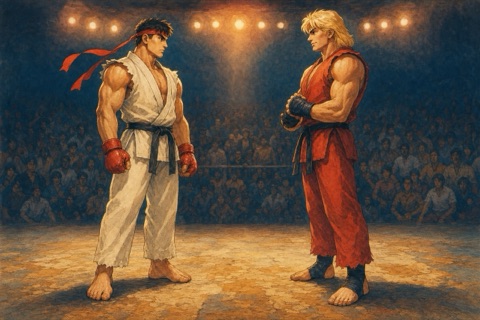
CAPCOM · 1987
Street Fighter
From the 1987 original through Street Fighter II’s many revisions, the Alpha branch and crossover fighters, follow the making of a competitive language that kept changing without losing its center.
Explore series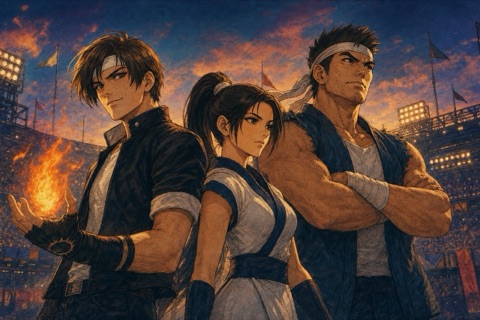
SNK · 1994
The King of Fighters
Beginning as an SNK all-star tournament in 1994, KOF turned three-person teams into a structure for strategy, character relationships and long-running story arcs.
Explore series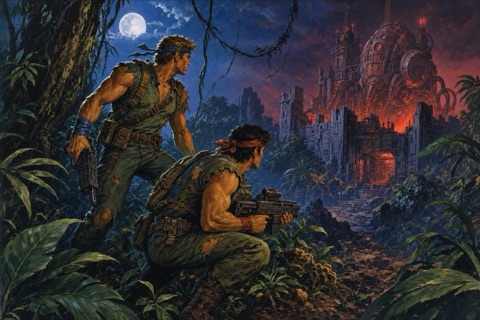
KONAMI · 1987
Contra
The arcade original, expanded home release, Super Contra, Contra III and Hard Corps each have a distinct place. Put the co-op, firepower and difficulty back into an accurate version history.
Explore series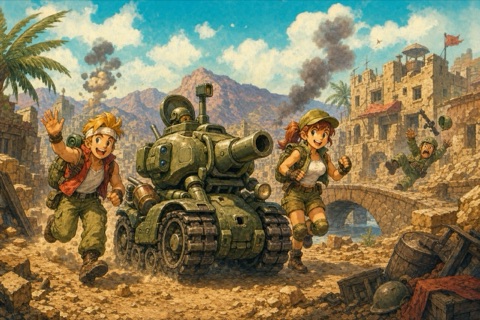
SNK · 1996
Metal Slug
It tests reactions with relentless gunfire, then lets soldiers nap, tanks fall apart and heroes turn into mummies. Follow the handmade pixel craft from the original through 2, X, 3 and the handheld branches.
Explore series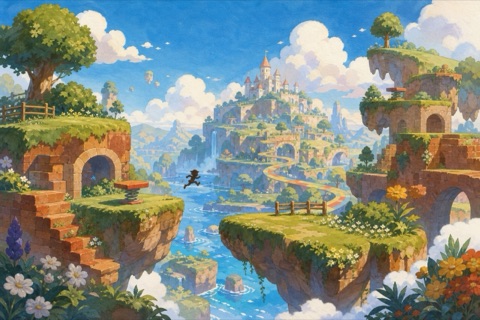
NINTENDO · 1981
Mario
From two-dimensional running and jumping to Mario 64’s navigable space, then into racing, RPGs, parties and sports, Mario is less a single line than a shared language for learning new ways to play.
Explore series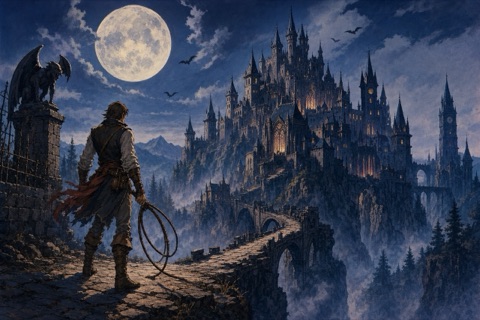
KONAMI · 1986
Castlevania
From the Belmont clan’s deliberate stage action to the connected castles that followed Symphony of the Night, Castlevania keeps renegotiating the balance between combat, exploration, growth and Gothic fantasy.
Explore series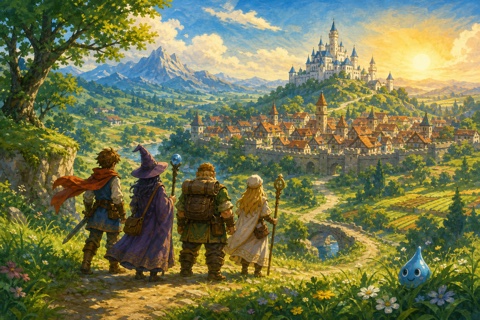
SQUARE ENIX · 1986
Dragon Quest
From the Erdrick trilogy and the life-spanning fifth game to Monsters and handheld remakes, follow the mainline, spin-off and edition history of a warm, unhurried adventure series.
Explore series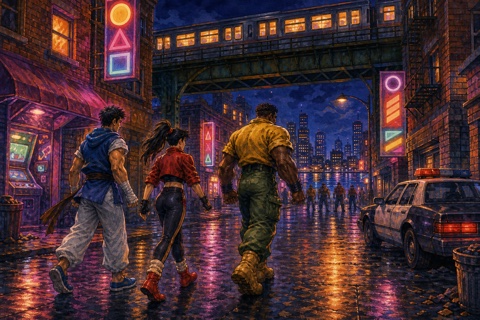
SEGA · 1991
Streets of Rage
Three 16-bit games bound neon streets, two-player teamwork, heavy hits and electronic club rhythms together. Play them in order and see why the Japanese and overseas third games feel so different.
Explore series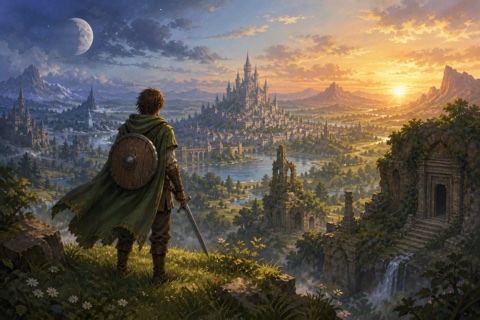
NINTENDO · 1986
The Legend of Zelda
From the first map of Hyrule to adventures shaped by time, seasons, sailing and touch controls, Zelda keeps finding new ways to invite players off the obvious path and let them discover the answer themselves.
Explore series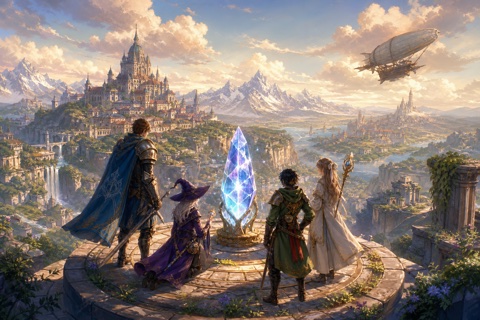
SQUARE ENIX · 1987
Final Fantasy
Crystals, airships and a group of unlikely companions keep meeting again in different worlds. Final Fantasy rarely holds on to one battle system, yet it repeatedly returns to choices, partings and the courage to begin again.
Explore series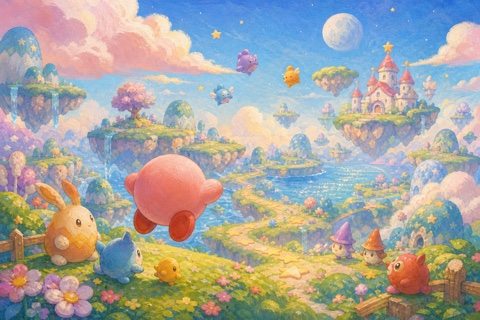
NINTENDO / HAL LABORATORY · 1992
Kirby
From the first inhale on Game Boy to Copy Abilities, Animal Friends, mixed powers and playful spin-offs, Kirby stays welcoming at first touch while saving extra surprises for players who keep looking.
Explore series