
Gameplay and design
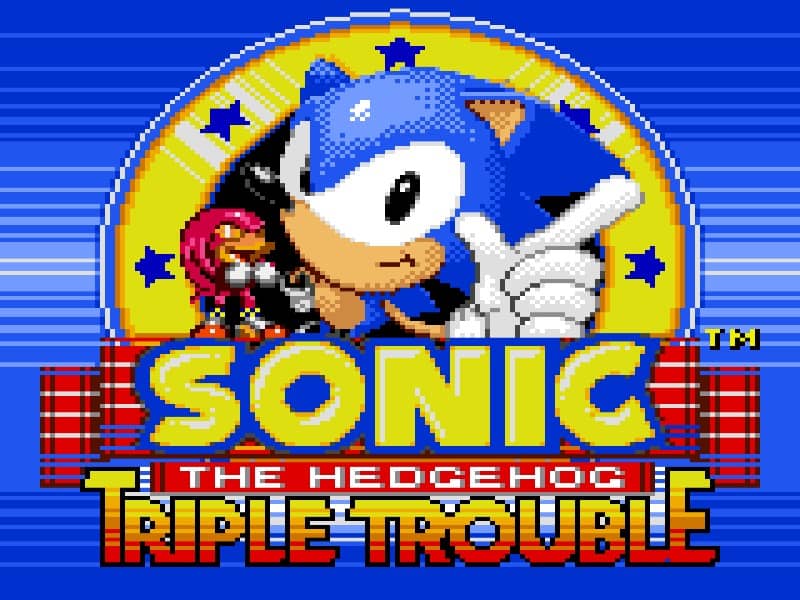
The core gameplay of "Sonic The Hedgehog - Triple Trouble" continues the classic side-scrolling action of the series, but the most appealing aspect is the choice between Sonic and Tails. Sonic has the spin dash and the peel-out move from "Sonic CD," which lets him charge up and burst into high speed; Tails, on the other hand, can fly briefly by flapping his twin tails, making him especially agile in areas that require crossing pits or reaching high platforms. The two characters feel distinctly different to control, so players can pick whoever suits their play style for the adventure.
The game features six themed zones, each with three acts, with the third act being a boss fight. The level design doesn't simply copy previous games; it includes gimmicks and routes that require using each character's unique abilities. For instance, Sonic's jet board lets him zoom up steep slopes, while Tails's Sea Fox allows him to glide quickly over water. These character-specific items not only enrich the gameplay but also make the experience noticeably different depending on the character, encouraging players to try both for a full playthrough.
Beyond the usual running, jumping, and attacking, the game retains the series' classic ring collection mechanic. Collecting 100 rings grants an extra life, while getting hit by an enemy costs 30 rings, and hitting spikes costs 50. This design keeps players on edge, balancing speed with ring management. Notably, this game features only five Chaos Emeralds instead of the usual seven, which affects how special stages are accessed and the overall pacing.
Special stages are the only way to obtain Chaos Emeralds and are a highlight of the game. To enter, players must break item boxes with a Chaos Emerald icon while holding at least 50 rings. In the special stage, players pilot a plane through a maze-like 3D space, collecting rings and dodging obstacles. This contrasts sharply with the high-speed main levels, offering a different kind of challenge and fun.
Overall, "Sonic The Hedgehog - Triple Trouble" doesn't revolutionize the gameplay but cleverly integrates and refines existing series elements. The dual-character choice, character-specific items, and special stages all give the game its own identity while maintaining the core Sonic experience. For fans of the series, it may not offer many surprises, but it definitely delivers a solid and enjoyable platforming experience on the Game Gear.
Background and release
"Sonic The Hedgehog - Triple Trouble" was first released in Japan on November 11, 1994, with Western releases following that same month under the title "Sonic the Hedgehog: Triple Trouble." Developed by Aspect and published by Sega, it is the direct sequel to "Sonic Chaos." In the 8-bit Sonic series of that era, this game holds a special place as the first Sonic platformer to be released exclusively for the Game Gear, without a simultaneous Master System version like its predecessors, reflecting Sega's growing focus on the handheld.
The game was initially titled "Sonic Chaos 2" in the West and planned for both Game Gear and Master System. However, during development, plans changed, and it ended up as a Game Gear exclusive with the Western name changed to "Triple Trouble." This surprised some fans expecting a Master System sequel, but it also made the game a unique handheld-only entry in the series.
The story revolves around Sonic and Tails trying to stop Dr. Eggman and Knuckles from collecting the Chaos Emeralds, with the new character Fang the Hunter adding to the chaos. Fang is a cunning bounty hunter armed with his "Hunter Gun," seeking to profit from the conflict. His introduction enriches the plot and adds drama, letting players see character interactions and conflicts beyond the levels.
After its release, the game was re-released and included in various compilations. In 2003, it appeared in "Sonic Adventure DX: Director's Cut"; in 2005, it was part of "Sonic Gems Collection"; and in 2023, it returned as part of "Sonic Origins Plus." Additionally, it was released on the Coleco Sonic handheld in 2006 and on the Nintendo 3DS Virtual Console in March 2012, allowing players of different generations to experience this classic.
Looking back at its history, this game plays a bridging role in the 8-bit Sonic series. It builds on the foundation of "Sonic Chaos" and injects new life through new characters and platform exclusivity. While it didn't gain as much attention as 16-bit titles, it remains a memorable gem for Game Gear fans.
Development
"Sonic The Hedgehog - Triple Trouble" was developed by Aspect, a company that had worked on several 8-bit Sonic games and had deep knowledge of the Game Gear's hardware. As a sequel to "Sonic Chaos," the team aimed to build on the previous game and deliver a richer experience. The final product shows considerable effort in graphics and level design, bringing the 8-bit visuals close to 16-bit quality.
The design of the new character Fang the Hunter was an interesting process. Early in development, he was called "Jet" and was depicted in promotional art holding a gun, looking quite menacing. However, in the final version, this was changed: the character was renamed "Fang the Hunter" (known as Nack the Weasel internationally), and the gun was removed. This change likely aimed to fit the cartoonish style of the Sonic series, resulting in the Fang we know today.
The game also underwent a significant change during development: it was initially planned for the Master System but ended up as a Game Gear exclusive. This decision may have stemmed from Sega's strategic shift toward the Game Gear, or the team may have found the Game Gear's hardware better suited to their design ideas. Either way, this made the game a unique entry in the 8-bit Sonic series.
The game was titled differently in Japan and the West. The Japanese title, "Sonic & Tails 2," directly highlights the two protagonists, while the Western title, "Sonic the Hedgehog: Triple Trouble," emphasizes the chaotic three-way struggle for the Chaos Emeralds. This naming difference reflects how different markets perceived the game's selling points and is an interesting detail in its history.
Notably, the game features five Chaos Emeralds instead of the usual seven. This design choice may have been to fit the Game Gear's level length and special stage structure, allowing players to collect the Emeralds more efficiently within a limited playtime. Although this change wasn't widely noticed at the time, it now stands out as a unique aspect of this game compared to other Sonic titles.
Reception and legacy
"Sonic The Hedgehog - Triple Trouble" received generally positive reviews upon release, with critics praising its fun gameplay and impressive graphics, though some noted a lack of challenge and originality, drawing comparisons to previous Sonic games. Steve Merrett of "Mean Machines Sega" criticized the game for lacking surprises and innovation, but he also considered it a worthy 8-bit counterpart to "Sonic 3," which somewhat affirmed its quality.
The graphics were widely praised. "Sega Magazine" and "Sega Pro" both noted that the visuals approached the 16-bit quality of the Mega Drive, which was impressive for a handheld game at the time. However, "GamePro" observed that frame rate drops occurred when many elements were on screen, a minor flaw due to the Game Gear's hardware limitations.
Over time, retrospective reviews have been more favorable. Many players and media outlets consider it one of the best Sonic games on the Game Gear, even approaching 16-bit quality. Corbie Dillard of "Nintendo Life" called it the closest a handheld game has come to the 16-bit style. This praise reflects both the game's quality and its unique standing in the 8-bit Sonic series.
The game's influence is also seen in the continued use of Fang the Hunter. After debuting in "Sonic The Hedgehog - Triple Trouble," Fang appeared in "Sonic Drift 2" (1995), "Sonic the Fighters" (1996), "Sonic Mania" (2017), and "Sonic Superstars" (2023). With his distinctive look and cunning personality, he has become a recurring character in the Sonic series, beloved by fans.
In August 2022, a fan remake titled "Sonic Triple Trouble 16-Bit" was released, built with the GameMaker Studio engine, and received widespread acclaim. TechRadar called it a "world-class fan game," and VG247 said it could rival "Sonic Mania." Although not an official release, its success underscores the enduring appeal of "Sonic The Hedgehog - Triple Trouble" and its design philosophy.





