AllGamesGo editorial
Why Do the Arcade and NES Versions of Double Dragon Feel Like Different Games?
The arcade version is built around two-player co-op, while the NES version reworks the single-player campaign and story.
Last updated:August 27, 2026

The 1987 arcade Double Dragon and the 1988 NES home version share a name and main characters, but their gameplay, progression, and story take two different approaches. The arcade version revolves around co-op and friendly fire on a two-player cabinet, while the NES version turns the main quest into Billy's solo adventure and adds move progression. They aren't one impersonating the other—they're two takes on the same theme for arcade and home consoles.
Same Name, But Not a Simple Downgrade
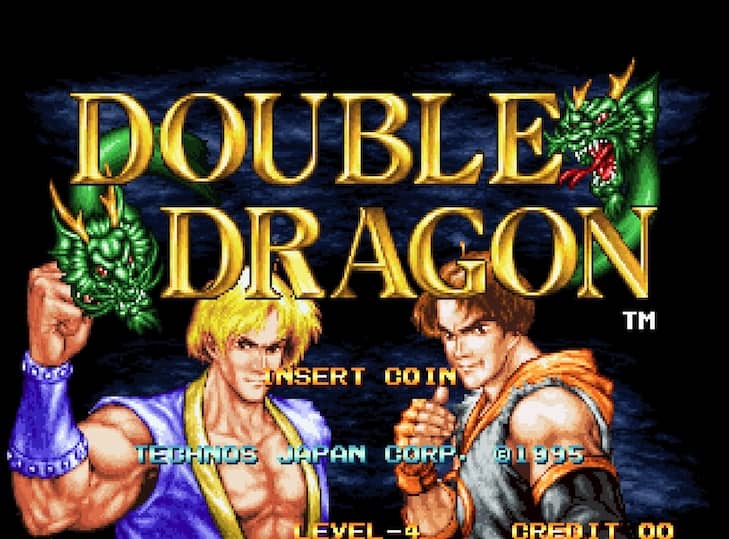
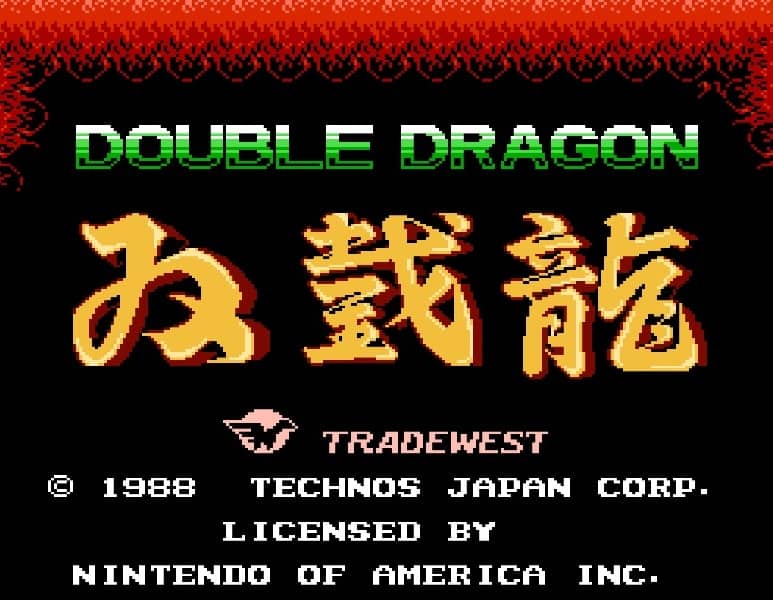
Technōs Japan released the arcade Double Dragon in 1987, then made a Family Computer/NES home version in 1988. The current rights holder, Arc System Works, also dates the series' start to the 1987 arcade original. Both versions share the same name, heroes, villains, and heroine, but if you play the arcade version first and then the NES version, it feels like two different games.
Many assume the home version just shrinks the arcade graphics and reduces the number of enemies on screen, but it's far more than that. The NES version redesigns the levels, enemy placement, and single-player pacing, and adds a progression system. It still comes from the arcade original, but it can't be treated as a scaled-down port with unchanged content.
Two-Player Co-op vs. Single-Player Story
The arcade version's core design is two-player co-op. Billy and Jimmy can appear on screen together, fight enemies side by side, and even hurt each other—hitting your partner drains their health. At the end, the two players might face off in a final duel to see who's the true Double Dragon.
The series' developers have reflected on this design: the arcade version was tough for solo players because it encouraged friends to drop in coins together, and friendly fire added tension to co-op. Two players had to hold back enemy crowds while also watching their own punches and kicks so they didn't clip their teammate.
The NES version is completely different. The main story only lets Billy go it alone. The manual mentions a two-player mode, but that's a separate versus mode where two players fight each other, not co-op. So don't apply the arcade's brotherly co-op story to the NES version—there, Jimmy is written as the hidden Shadow Boss and final opponent.
Combat and Progression: Seven Levels of Technique vs. Full Moveset from the Start
From the first stage, the arcade version gives players a fairly complete set of punches, kicks, grabs, and throws, plus the ability to pick up knives, bats, and whips dropped by enemies. Combat pacing is driven by enemy groups, terrain, and two-player teamwork, with no system of leveling up techniques through score like the NES version.
The NES version adds technical skill levels, seven in total. Each game starts at level 1, and as your score crosses thresholds, your level rises, unlocking more moves step by step. So at the start, you only have basic punches and kicks, and you learn new techniques gradually as you play well.
This progression system changes the feel of the first half versus the second half. The arcade version doesn't rely on score to upgrade, so players need to get familiar with the existing moves and weapons early on. The NES version, by contrast, adds moves as your score climbs, so the longer you survive in a single run, the more options you have.
Redesigned Stages and Jimmy's Role
The NES manual lists four main stages: City Slum, Industrial Area, Forest, and Hideout of the Boss. These correspond to the arcade version's general journey, but the home version redraws each map, with different enemy positions, platforms, and traps.
Don't chalk up every change to hardware limits, like fewer enemies on screen or smaller graphics. The final product shows that the team chose different stage scales and single-player pacing—these are design choices, not just technical compromises.
Story-wise, the arcade version has the brothers team up to rescue Marian, with a possible final fight between them. The NES version has Billy acting alone, with Jimmy as the mastermind behind it all. That's the biggest narrative difference between the two versions.
| Comparison | 1987 Arcade Version | 1988 NES Version |
|---|---|---|
| Main campaign | Billy and Jimmy can co-op simultaneously | Billy solo; two-player mode is versus |
| Combat | Full moveset with enemy groups and weapons | Seven-level technique growth, moves unlock gradually |
| Stages | Large sprites, crowd scenes, arcade pacing | Redesigned routes with more platforms and traps |
| Story | Brothers team up, possible final duel | Jimmy written as the hidden Shadow Boss |
What Still Connects the Two Versions
Despite the big gameplay differences, both versions share many core elements. Characters like Billy, Jimmy, Marian, Abobo, Linda, and Willy appear in both. The combat systems also revolve around punches, kicks, grabs, throws, and picking up weapons like knives, bats, and whips.
The beat-'em-up skeleton is unchanged: move forward, fight minions, fight bosses, rescue the heroine. These commonalities make the two versions feel like part of the same series, but the differences in experience are what players really notice.
Which Version to Choose on This Site
This site currently offers two playable versions: the 1987 arcade Double Dragon and the 1988 English NES home version. Both game pages use the same main title, so platform and year are the key to telling them apart.
If you want simultaneous two-player co-op and the original arcade vision, pick the arcade version. If you want the seven-level technique growth, redesigned routes, and Jimmy's story twist, go with the NES version.
Both versions are worth playing, but they offer different kinds of fun. Play the arcade version first, then the NES version, and you'll see just how much the home version reworked. If you want to team up with a friend and clear stages together, choose the arcade version—don't mistake the NES title screen's two-player option for co-op.