
Gameplay and design
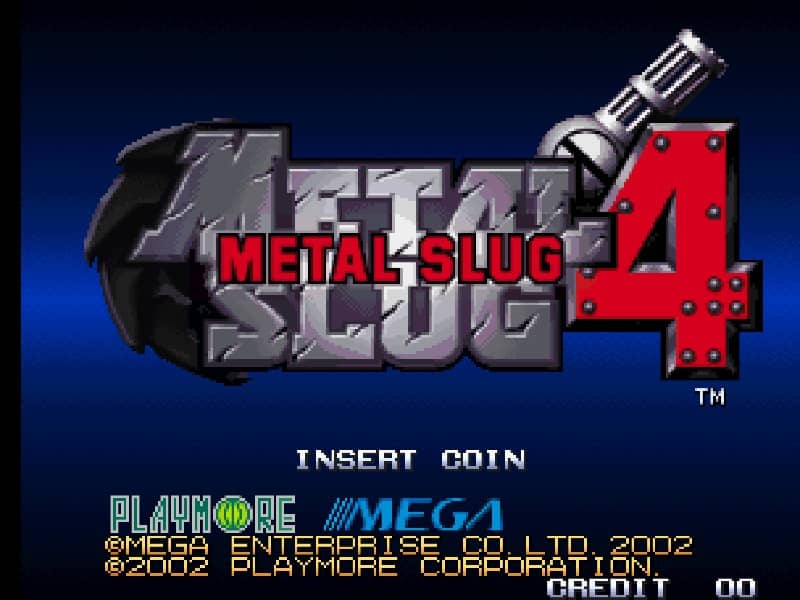
Metal Slug 4 sticks to the series' signature run-and-gun style, with players guiding characters through side-scrolling stages, blasting enemies with a variety of firearms and grenades. The game keeps the iconic action moves—rolling, jumping, and hopping into vehicles—so veterans can jump right in. At the same time, it introduces new enemies, bosses, weapons, and vehicles to spice up the combat.
The biggest new addition is the bonus combo system. Players who chain enemy kills within a set time window earn extra score bonuses. The timer is determined by the badges you pick up—the more types you collect, the longer the combo window. This shifts the series' traditional scoring approach, pushing players to stay aggressive rather than just dodge and shoot, and giving high-score chasers a fresh challenge.
A notable change is the character lineup. Eri and Tarma from previous games are replaced by newcomers Nadia and Trevor, who join Marco and Fio on the battlefield. The new faces bring different looks and backstories, and they also influence the story's direction. For longtime fans, this is both a breath of fresh air and a bit of a letdown, but it undeniably injects new energy into the series.
The weapon system remains robust, with players able to pick up heavy machine guns, flamethrowers, laser guns, and more, each with its own attack pattern and ammo limits. On the vehicle front, the classic Metal Slug tank returns, joined by new rides that add variety to the stages. Together, these elements form the core experience, letting players enjoy the thrill of intense combat.
The bonus combo system makes the scoring mechanics more complex and engaging. Players must balance fast kills with keeping the combo alive, testing their reflexes and strategy. Enemy and boss designs are also more challenging, especially the final boss, which demands smart use of weapons and skills to overcome. Overall, the game preserves the series' essence while trying out new design ideas.
Background and release
Metal Slug 4 hit Neo Geo MVS arcade cabinets in 2002, as the fourth mainline entry in the series. By then, the franchise had built a solid fanbase with its predecessors, so anticipation was high. The game kept the familiar 2D action-shooting style but experimented with story and systems, pointing the series in a new direction.
The story takes place a year after Metal Slug 3, with the world threatened by a deadly network virus. Marco and Fio are called in to investigate, joined by new characters Nadia and Trevor. The plot revolves around this virus, orchestrated by a terrorist group called the Amadeus Syndicate, who ally with General Morden's rebels to use the virus for their own ends.
Midway through, players encounter a figure who seems to be General Morden, but the final stages reveal it's just a robot replica. This twist differs from the Morden seen in earlier games, adding mystery and a reversal. The final boss is the Syndicate's leader, known as 'Doctor,' who is defeated and trapped in a self-destructing base, with the ending varying based on whether the player escapes the explosion.
Upon release, the game saw a decent market response. Japan's Game Machine magazine listed it as the second most successful arcade game in April 2002, showing its popularity in arcades. That's a solid showing for a title with external studio involvement, proving the series' brand still had pull.
In 2004, the game was ported to Xbox and PlayStation 2, released separately in Japan and Europe. In North America and Korea, it came out as a bundle with Metal Slug 5, letting players enjoy both games at once. A Nintendo Switch version followed in 2018, and in 2023, a simulation port by Code Mystics was released on Prime Gaming, with a GOG.com release in 2024, making the game available on even more platforms.
Development
Metal Slug 4 was developed by Mega Enterprise and Noise Factory, with Playmore handling publishing. This was the first time an external studio took the lead on a mainline series entry, as previous games were mostly made by SNK's internal teams. The shift likely stemmed from SNK's financial troubles at the time, but it also brought fresh perspectives and ideas to the series.
According to Wikidata, the release date was June 12, 2002, on Neo Geo MVS. The team aimed to keep the core gameplay intact while introducing new elements like the bonus combo system and character swaps. These changes weren't easy, as they had to balance tradition with player expectations for something new.
The biggest challenge during development was probably maintaining the series' signature style with an external studio at the helm. Judging by the final product, the game still looks and plays well, but the story and system changes sparked some debate. For instance, the character replacements felt off to some veterans, and the network virus and robot clone plot diverged from the military sci-fi tone of earlier entries.
Despite the controversy, the team showed real innovation. The bonus combo system altered the traditional scoring method, giving high-score hunters a new challenge. The boss designs and stage layouts also reflect careful work, especially the final boss, which requires players to use all their weapons and skills to win.
The development context also mirrors SNK's situation at the time. After going through bankruptcy and restructuring, SNK outsourced some development to other studios to ease the burden. This strategy brought changes but also injected new life into the series. For players, this game is both a turning point for the franchise and proof that SNK kept pushing out new titles even in tough times.
Reception and legacy
Metal Slug 4 received mixed reviews from players. User scores vary by platform: 7.8 on PS2, 7.3 on Xbox, 8.1 on Neo Geo, and 8.3 on arcade, showing differences in experience. Metacritic and GameRankings give it around 70 out of 100 (for the bundle with Metal Slug 5), placing it mid-tier within the series.
The game's impact is mainly seen in the series' direction. As the first externally developed title, it set a precedent for future outsourcing. The bonus combo system also offered new ideas for scoring in later games. While the character swaps and story choices drew criticism, the game still added fresh elements and enriched the franchise's world.
In terms of ports and re-releases, the game landed on Xbox and PS2 in 2004, Switch in 2018, and simulation ports via Prime Gaming in 2023 and GOG.com in 2024. These versions have let more players experience the game and kept it relevant over the years.
For series fans, this might not be the most beloved entry, but it holds a unique spot in the franchise's history. It marks SNK's transition period and shows how an external studio interpreted the series. Despite its flaws, it offers memorable moments, like the final boss and the ending easter eggs, which fans still talk about today.
All in all, Metal Slug 4 is a game with clear strengths and weaknesses. It innovates in gameplay but doesn't fully satisfy everyone in story and characters. Still, as part of the series, it's worth playing, especially for fans of classic 2D action shooters. Its existence reminds us that even beloved series need to evolve and take risks.





