

01
Where the series began
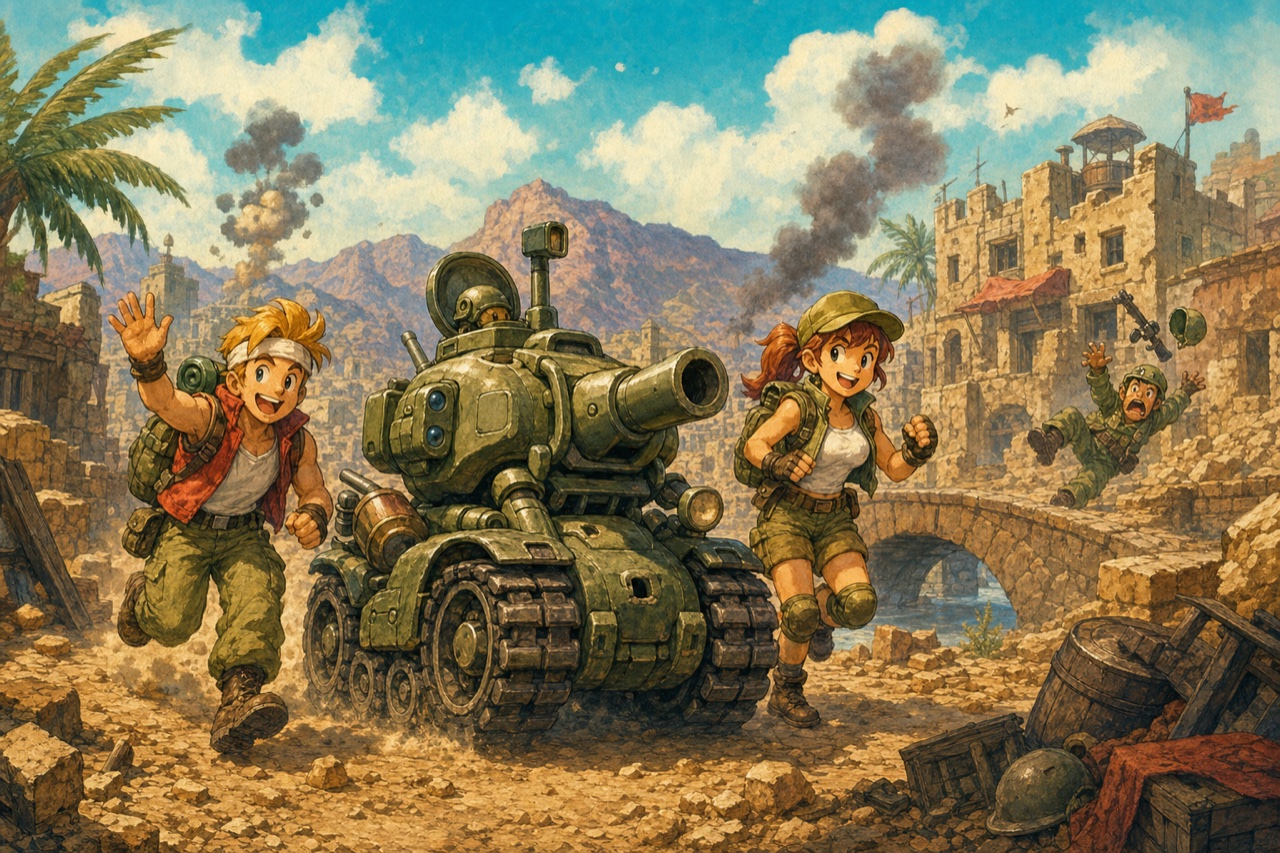
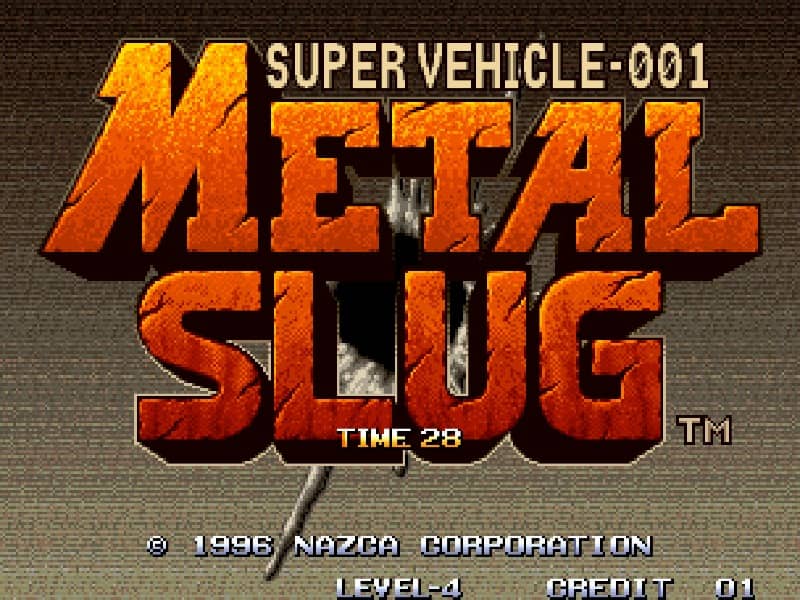
On April 19, 1996, Metal Slug hit SNK's MVS arcade system. SNK officially described it as a run-and-gun title with direct controls, intense pacing, and incredibly detailed pixel animation. Players took on the roles of Marco and Tarma, battling General Morden's forces to reclaim the stolen Metal Slug tank. The title refers to this drivable vehicle, which is both the story's centerpiece and the series' iconic combat tool.
The first game's core gameplay revolved around shooting, jumping, and grenades. As players advanced, they could rescue prisoners of war to earn weapons, supplies, or score items. Tanks and other vehicles provided extra firepower and durability, creating a rhythm that alternated between on-foot combat and vehicular sections. This design established the series' basic run-and-gun framework from the start, while also laying the groundwork for the vehicle and weapon expansions in later entries.
The pixel art in the original wasn't just about detail; it emphasized weight in movement and comedic timing. Soldiers would panic, doze off, or flee; buildings and machinery crumbled layer by layer; explosions were over-the-top yet kept clear silhouettes. Mixing war machines, aliens, mummies, and everyday gags into one world meant the grim battlefield was constantly interrupted by dark humor, giving the series its unique visual and emotional tone.
02
How the series evolved
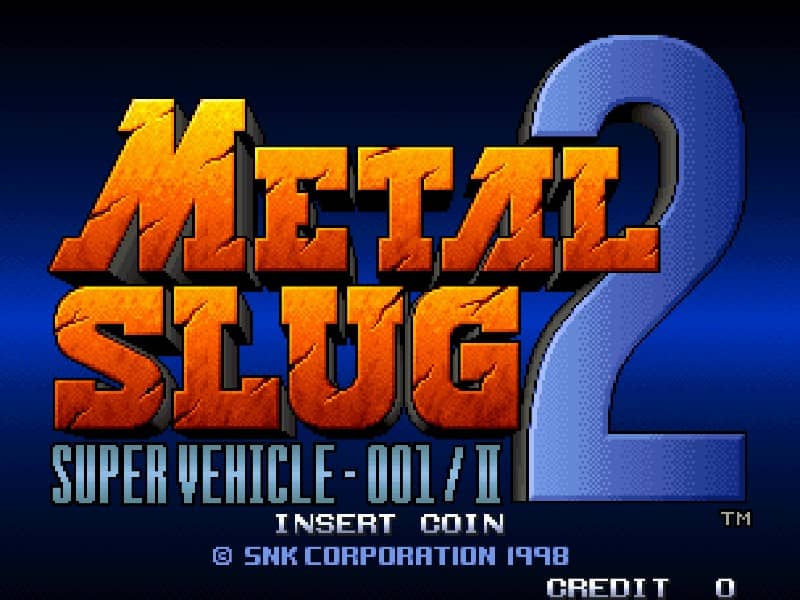
Metal Slug 2, released in 1998, expanded the roster with Eri and Fio joining Marco and Tarma, giving players four selectable characters. It also introduced new vehicles like the Camel Slug and absurd states such as characters getting fat or turning into mummies, further emphasizing the series' humor and fantasy elements. These changes kept the core gameplay intact while adding more variety and replay value.
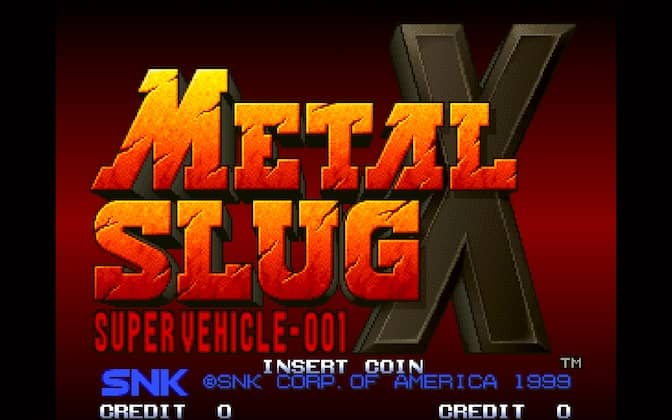
Metal Slug X, from 1999, wasn't just a numbered sequel before Metal Slug 3; it was a substantial revision of Metal Slug 2. It rearranged enemies and bosses, adjusted pacing, and added weapons and variations. This kind of 'revised edition' was uncommon in the series, but X is considered a key entry by many players thanks to its tighter flow and richer combat experience.
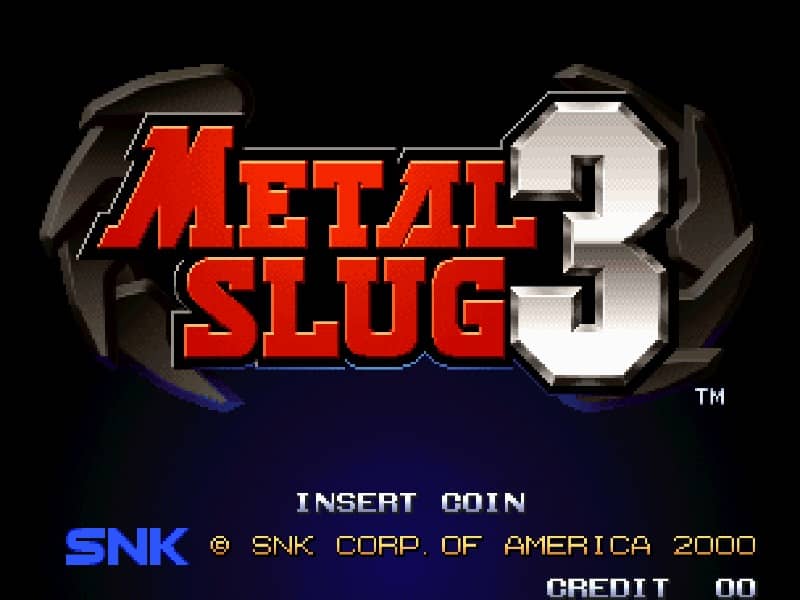
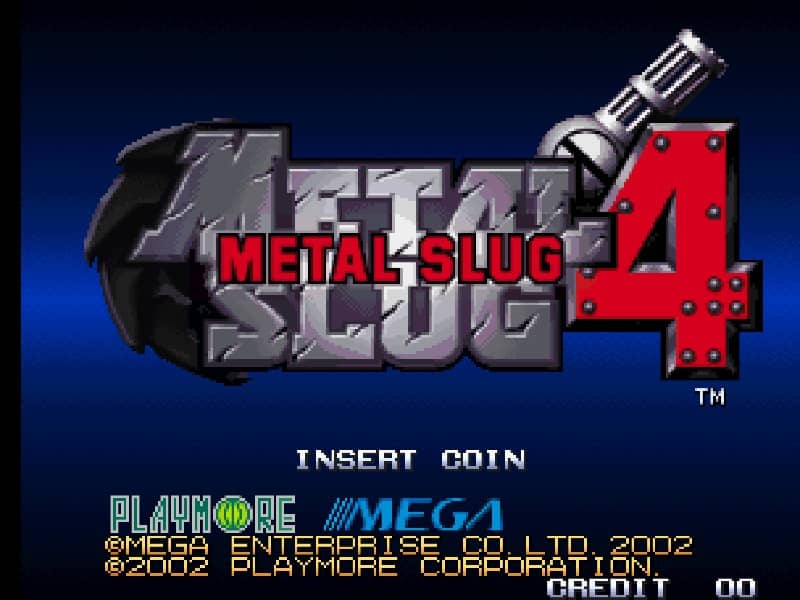
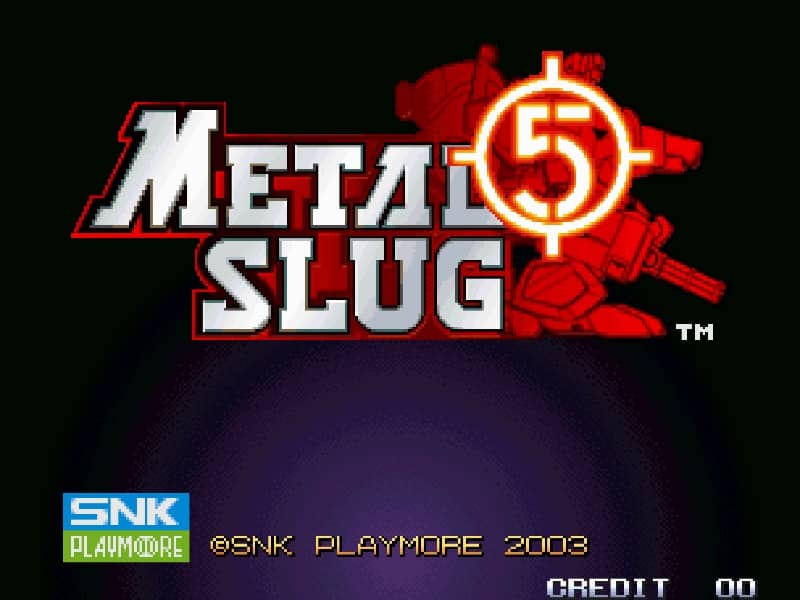
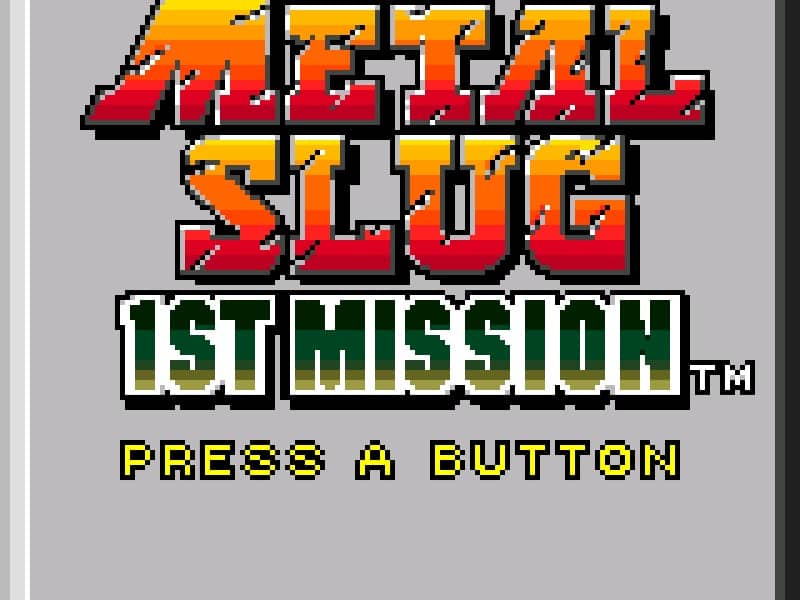
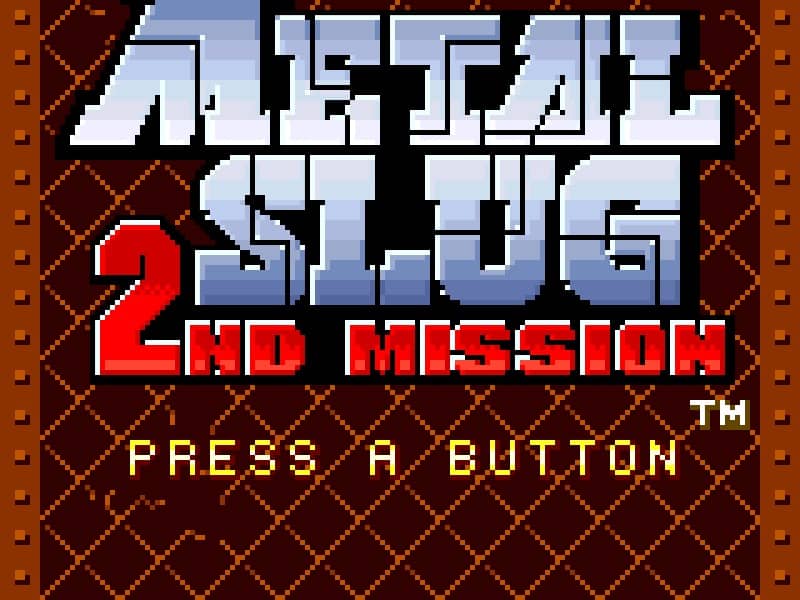
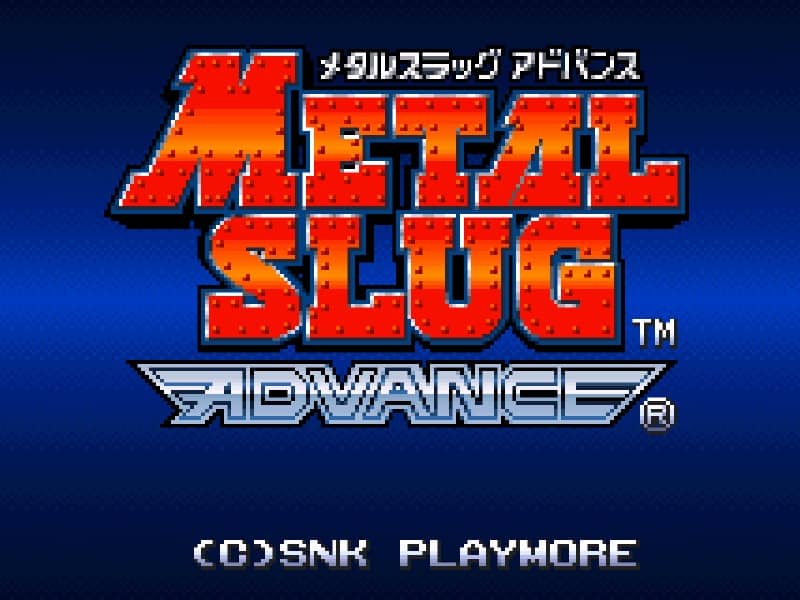
Metal Slug 3, in 2000, expanded branching paths significantly, boosting replayability, and increased the variety of vehicles, enemies, and settings. SNK's official 30th-anniversary history called it the closest the series had come to its complete form at the time. After that, Metal Slug 4, 5, 6, 7, and XX continued the main action line, while Advance and the two NEOGEO Pocket Color Mission titles adapted the structure for portable hardware, creating a parallel between the main arcade line and portable spin-offs.
03
Design and identity
What makes Metal Slug unique isn't portraying war realistically, but using high-density animation and comedic detail to give every tank, grunt, and explosion a distinct personality. The animations in stages often aren't functionally necessary: background characters, animals, soldier antics, and destructible objects add to the production value, making each advance feel like watching a hand-drawn short film. This dedication to detail is the core of the series' visual identity.
Two-player co-op is central to the arcade experience. Two players can help each other out, but also compete for weapons and prisoner rewards; the busier the screen, the more you need to track enemy bullets and character positions. This dynamic of cooperation and competition offers unique social fun beyond solo play, and was a key factor in attracting players during the arcade era.
The series' difficulty comes from fixed level design, enemy patterns, and limited reaction time. Skilled players break down the apparent chaos into memorizable spawn orders, positions, and firepower allocation. This 'memorization' style of play balances hardcore challenge with spectacle, testing both reflexes and strategic thinking.
04
Player culture and its place today
SNK launched the Metal Slug 30th-anniversary project in 2026, and the official retrospective highlighted pixel art, simple controls, intense run-and-gun action, and a humorous world as the series' enduring hallmarks. Together, these elements shaped how players see the series: not a serious military sim, nor a pure comedy game, but a unique blend of action pressure and dark humor.
The local game library includes the original, 2, X, 3, 4, 5, 7, Advance, and the two handheld Mission titles, covering the main arcade line and portable spin-offs, but it doesn't represent every game in the series. For newcomers, these titles offer a window into the series' core appeal; for veterans, they're a treasured collection that brings back the golden age of arcades.
Even though the arcade era is over, Metal Slug stays alive through compilations, re-releases, and player communities. The craftsmanship of its pixel animation and its humor are still talked about by action game fans today. The 30th-anniversary project shows SNK values this legacy, and players' memories of it go beyond just the games themselves, making it a cultural icon.