Gameplay and design
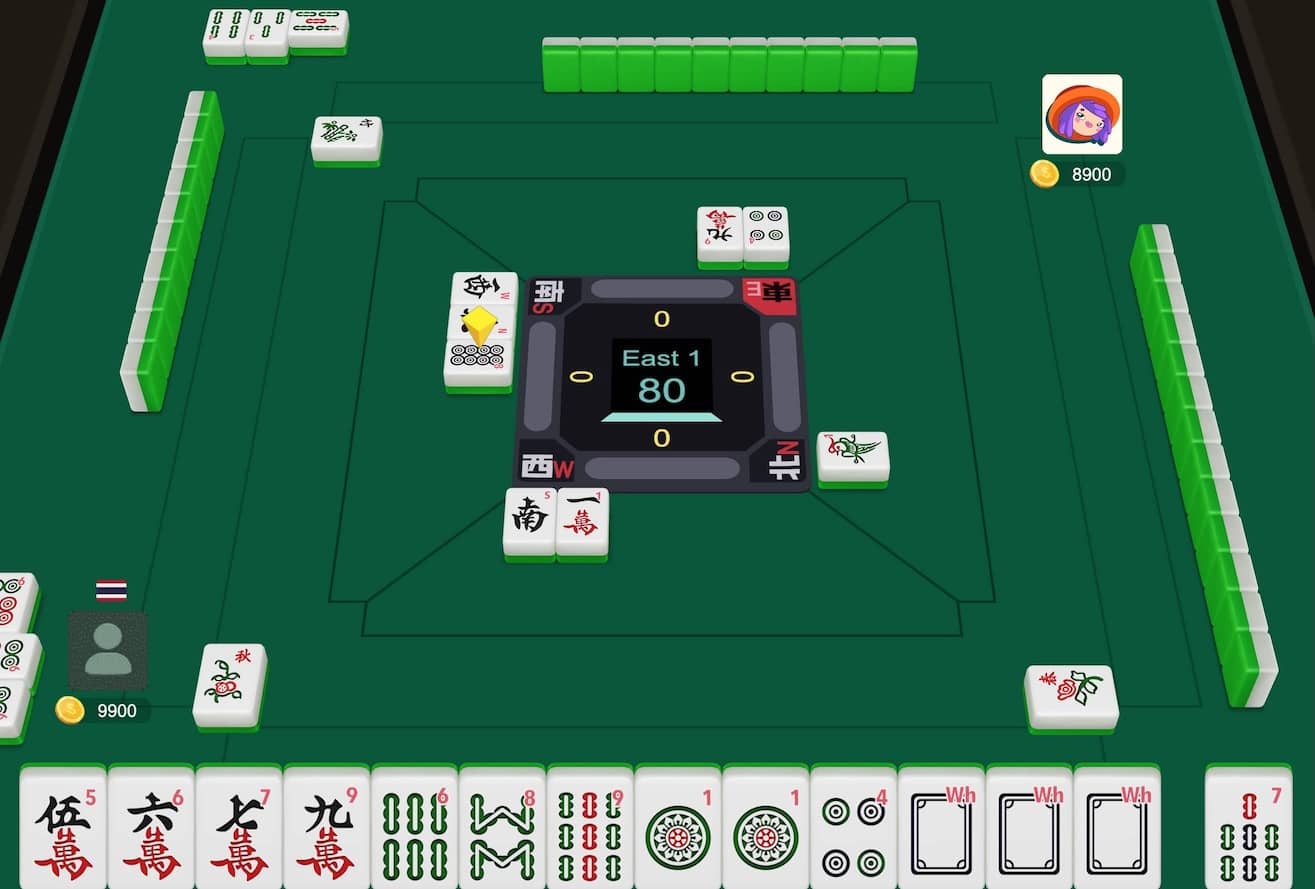
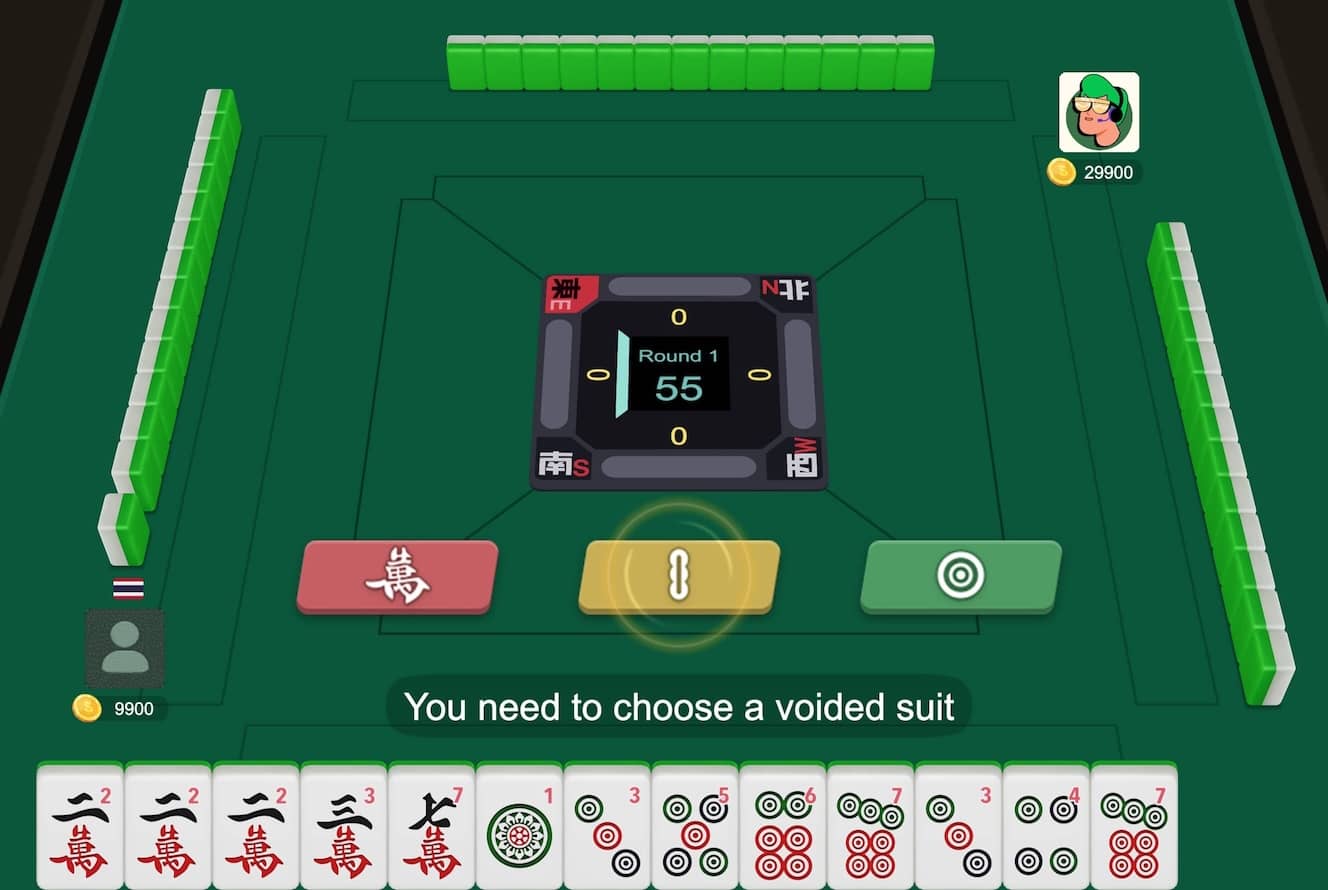
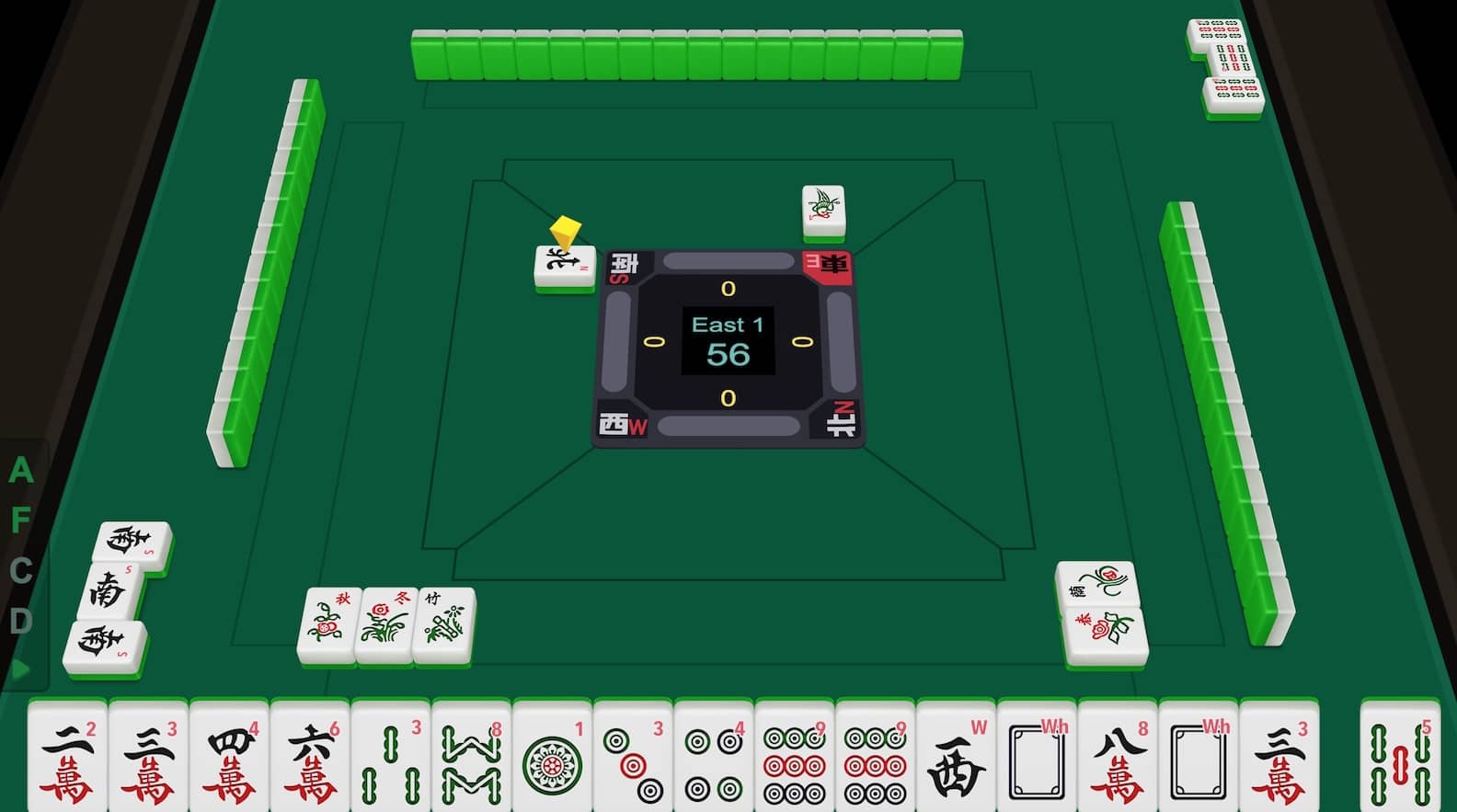
At its core, Taiwanese Mahjong: 16 Tiles uses the sixteen-tile mahjong rules common in Taiwan. Unlike many other mahjong variants, each player starts with sixteen tiles rather than thirteen. With more tiles in hand, the combinations needed to win also grow in number, which makes the overall hand structure a bit more complex than in thirteen-tile mahjong. The game still follows the basic cycle of drawing and discarding, and players can form exposed melds such as chi, pon, and kan depending on the table rules.
It is worth stressing that this is not a mahjong tile-matching game. Both use mahjong tile imagery, but the play is completely different: sixteen-tile mahjong is a four-player table game involving drawing, discarding, meld-building, and judging a winning hand, while matching games are usually solo affairs where the goal is to flip and pair tiles. The "sixteen tiles" in the title describes the hand structure, not a puzzle built around sixteen pieces.
Scoring and optional rules are where Taiwanese mahjong table conventions get especially flexible, and different tables and software implementations may use different scoring methods and extra rules. The specific scoring details and optional rules of this browser title are not described in verifiable sources, so it is impossible to say which set of local rules it follows. Players should treat whatever the game actually presents in play as the rules in effect.
Background and release
Taiwanese Mahjong: 16 Tiles is a browser game themed around Taiwanese sixteen-tile mahjong. Its title states the gameplay and the regional flavor directly, so players can tell at a glance that it is based on Taiwanese mahjong rules. However, there is currently no reliable information confirming the author or the original release date. Previously circulated developer credits and a 2012 release year cannot be independently verified, so this article does not present them as fact. In other words, the two most basic questions about the work, who made it and when, remain unanswered. The "Taiwanese" in the title points to the regional origin of the rules, and "16 Tiles" points to the hand structure; both can be confirmed from the name and the gameplay itself. Author, publisher, and first release year, the details usually found on a game's introduction page, are exactly what the available material lacks. Without independent evidence, it is better to mark them as unknown than to offer a plausible-sounding answer.
As for platform, the game is presented in browser form and can be run directly through a web page. But a distinction is needed: the browser is only the currently known way to run it, and that does not mean the game was originally built on web technology. Because the author and first release date are unknown, we cannot determine whether it was first released as a web game or later ported to the browser. One common confusion deserves special attention here: being openable in a browser and having been an HTML5 game at release are two different things. Older works can also run on the web after being ported or repackaged, and the available material does not say which case applies here. So regarding its original platform, all that can be confirmed is that the browser is a known way to run it; the rest remains unknown.
Taiwanese mahjong is itself a ruleset with a strong regional identity, and the sixteen-tile hand is one of its most distinctive features. This work brings those rules to the browser, making them easier for more players to encounter. But the material says nothing about its development team, publisher, or specific launch date, so those details remain unknown. It is worth adding that sixteen refers to the number of tiles in each player's hand, not to a sixteen-piece matching puzzle, and this game is not a single-player elimination game like mahjong solitaire. On top of that, table rules across Taiwan already differ in scoring and optional rules, and different software implementations may differ as well, so no single set of local rules should be treated as the only standard for all Taiwanese mahjong. Based on what is available, this browser title's place in the rules family is clear, but its maker, release background, and exact launch date still have no reliable record to fill in.
Development
Verifiable information about the development of Taiwanese Mahjong: 16 Tiles is very limited. It is known to be a browser game that players can run directly through a web page, but there is no clear record of its development process, the technology used, or whether it was ported. The browser as a platform is certain, but that does not mean the game was built for the web from the start; in other words, we cannot tell whether it was originally released as a web game or only later put on the browser. With no information on the author or first release date, we cannot reconstruct its production history or confirm a development team, publisher, or specific launch date. Previously circulated developer credits and a 2012 release year cannot be independently verified, so they cannot be cited as fact.
On the rules side, Taiwanese sixteen-tile mahjong already has many local variants, with scoring and optional rules varying from table to table. How this work translated those rules into software logic, such as whether it offers rule options or how it implements scoring, is not explained in the material. What can be confirmed is that it uses the basic sixteen-tile structure: each player starts with sixteen tiles rather than the thirteen used in many other variants, so the combinations needed to win also increase. The game still follows the basic cycle of drawing and discarding, and players can form exposed melds depending on the table rules. But the specific implementation details, such as which local scoring method it uses or whether it adds optional rules, cannot be learned from the available information.
There is also no reliable information about any licensed subject matter or commercial background for the game. It may be an independent work or have some other background, but without evidence no speculation is appropriate. Likewise, no reliable material shows sales figures, review scores, or recognition from any official body. The gaps in its development background are themselves part of this work's history, a reminder to be cautious when information is scarce. From what is available, its value lies more in being a browser-accessible example of sixteen-tile mahjong rules than in being a documented development story.
Reception and legacy
As a browser-accessible sixteen-tile mahjong game, Taiwanese Mahjong: 16 Tiles derives its value mainly from representing the ruleset. Taiwanese mahjong is a strongly regional rules system, and the sixteen-tile hand is one of its core features. This work lets players experience those rules directly in a browser, which makes it a convenient entry point for players unfamiliar with Taiwanese mahjong.
However, there is currently no reliable data on the game's sales, review scores, or recognition from any official body. Its market performance and industry impact therefore cannot be judged. Its existence is more that of a rules example than a widely influential work. Without data, any conclusion about its success or failure would be inappropriate.
In terms of preservation value, the game is a direct example of Taiwanese sixteen-tile mahjong rules on the browser platform. It may hold some reference value for people studying mahjong rule variants or the history of browser games. But it should also be noted that, because the author and first release date are unknown, its place in game history is hard to pin down precisely. Overall, the work is better seen as a rules sample than as a game with a clearly established historical position.