AllGamesGo editorial
Why Are FINAL FANTASY II / III Actually IV / VI?
The FINAL FANTASY II and FINAL FANTASY III on the North American SNES are, in the modern unified numbering, FINAL FANTASY IV and FINAL FANTASY VI.
Last updated:August 27, 2026
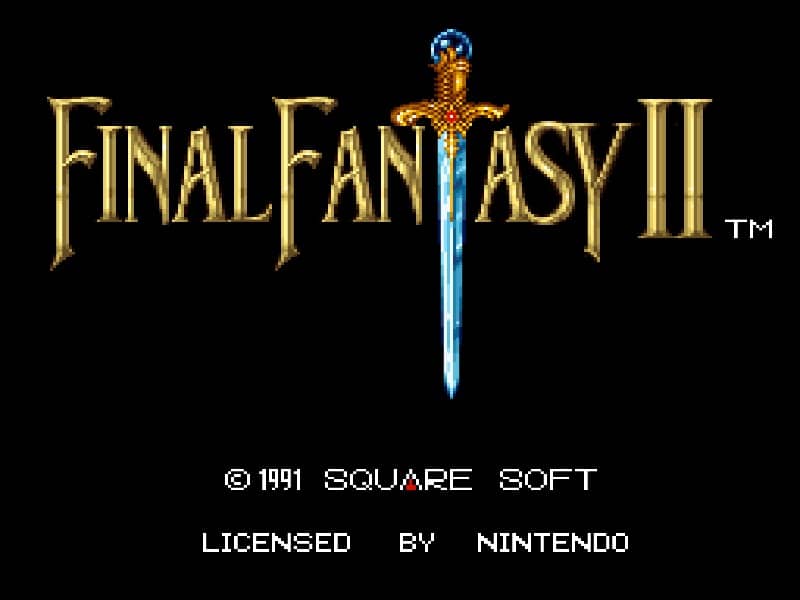
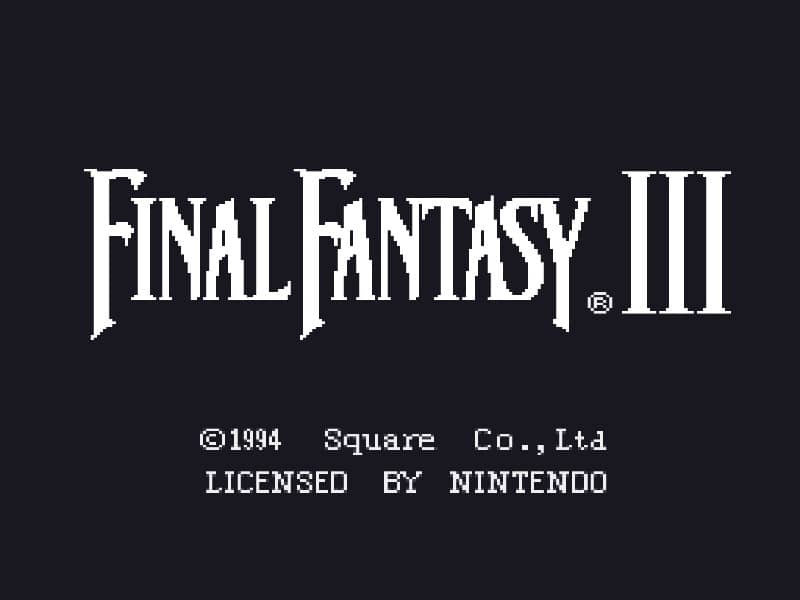
If you saw North American SNES cartridges in the '90s, you might remember covers reading FINAL FANTASY II and FINAL FANTASY III. Later, when you check modern official sources, you'll find the same stories listed under FINAL FANTASY IV and FINAL FANTASY VI. This isn't a fan nickname—it's a regional numbering quirk from early North American releases.
Two Numbering Systems: Old North American SNES Titles vs. Modern Unified Numbers
Square Enix's official history page is clear: in 1991, the North American SNES FINAL FANTASY II corresponded to the Japanese FINAL FANTASY IV; in 1994, the North American SNES FINAL FANTASY III corresponded to the Japanese FINAL FANTASY VI. In other words, the cartridge you held that said II was actually the fourth game in the series, and the one that said III was the sixth.
The II and III on the cartridge packaging were real North American product names, not player nicknames. Modern official sources calling them IV and VI isn't a fan change either. Both numbering systems are official—just from different eras and regions.
How can you tell which one you're playing? The easiest way is by the protagonist and setting. The North American SNES II stars Cecil, with the story revolving around him, Kain, and the kingdom of Baron. The North American SNES III stars Terra, opens with magitek armor, and pits you against the Gestahlian Empire. Remember those names, and you won't mix them up.
Why Did North American Numbers Skip Several Entries?
After the original FINAL FANTASY launched in North America, Japan got II and III, but those two weren't brought over to the North American NES or SNES in order. So the first new game North American players saw on the SNES was actually the Japanese fourth entry, and Square retitled it II to make it feel like a sequel.
The Japanese fifth game, FINAL FANTASY V, also didn't get a standalone SNES release in North America at the time. Square Enix's official history page notes that it only arrived in North America in 1999 via the compilation FINAL FANTASY ANTHOLOGY. As a result, the North American SNES numbering jumped straight from III to VII, skipping IV, V, and VI.
What the official history page confirms is the release order: North America didn't encounter II, III, and V in Japanese order, and the local releases of IV and VI used the consecutive titles II and III. As for the specific business decisions behind each game not releasing that year, there's no need to rely on rumors to piece together a single answer.
Numbering Comparison Chart: Don't Mix Up II and III
Putting the real II and III side by side with the North American SNES II and III makes things much clearer. The real FINAL FANTASY II is the story of Firion, Maria, and Guy rebelling against the Palamecian Empire—nothing like Cecil's tale. The real FINAL FANTASY III revolves around the Warriors of Light and the job system, not Terra's story either.
The table below lists the Japanese and modern unified numbers, the early North American titles, and the easiest identification clues.
| Japanese and Modern Unified Number | Early North American Title | Identification Clues |
|---|---|---|
| FINAL FANTASY II | Not released as an SNES game at the time | Firion, Maria, resistance fighters |
| FINAL FANTASY III | Not released as an SNES game at the time | Warriors of Light, job system |
| FINAL FANTASY IV | FINAL FANTASY II (SNES, 1991) | Cecil, Kain, Baron |
| FINAL FANTASY VI | FINAL FANTASY III (SNES, 1994) | Terra, magitek armor, empire |
Numbering Converges After VII
By 1997, FINAL FANTASY VII was released as VII in both Japan and North America, and the mainline numbering never again used the compressed early North American order. From that generation onward, players worldwide saw consistent numbers.
Modern official re-releases also use unified numbering. For example, the Pixel Remaster series lists the first six games in order: I, II, III, IV, V, VI. This shows that contemporary official sources have clearly placed the early North American SNES II and III back into their IV and VI slots.
So when you see a game called FINAL FANTASY IV today, it is the same underlying title that appeared on North American SNES cartridges as FINAL FANTASY II; the exact content still depends on the release version.
Same Game Identity, But Not Every Version Is Identical
Here's a point worth clarifying: having the same game identity doesn't mean every regional version and remake is identical in every detail. The old SNES English version and the Japanese Super Famicom version may differ in translation, difficulty, graphics, sound, and even extra content. Later PlayStation ports, handheld versions, and the Pixel Remaster each have their own adjustments.
So after confirming that North American II is IV, you still need to check the platform and region when looking up guides or version details. The title correspondence resolves the game's identity, but it doesn't automatically smooth over the specific differences between each release.
So when you say, "I played FINAL FANTASY IV," it's best to specify which platform and version to avoid confusion with other ports.
Exact Versions Covered on This Site
This site currently covers two English SNES versions, with the following correspondence:
The Final Fantasy II page is the 1991 English SNES version, corresponding to FINAL FANTASY IV; the Final Fantasy III page is the 1994 English SNES version, corresponding to FINAL FANTASY VI.
When you enter a game page, you can first look at the characters and year, then cross-check with the unified numbering: Cecil corresponds to IV, Terra to VI. When organizing page titles and version descriptions in the future, we should keep both the old cartridge names and the modern numbers, so we don't lose the collector names.