Gameplay and design
The core gameplay of Angry Birds is straightforward: players use a slingshot to launch birds at green pigs hiding in various structures. These pigs have stolen the birds' eggs, which explains the birds' anger. Players must adjust the angle and power of the slingshot based on the level layout to hit their targets precisely. The game has no complex tutorial; players immediately understand what to do, but achieving high scores and earning three stars requires some strategic thinking.
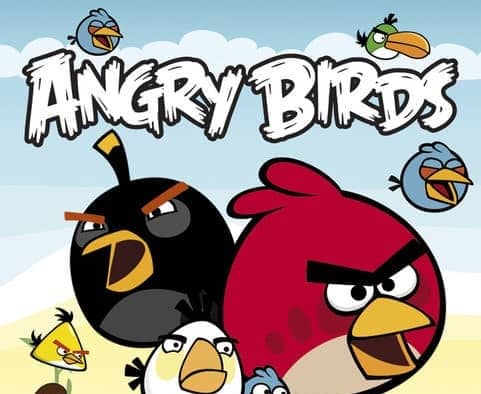
The birds are not all the same; as players progress, they unlock birds with different abilities. For example, the red bird has no special skill but is reliable; the blue bird splits into three mid-air, ideal for glass structures; the yellow bird accelerates suddenly, able to pierce wood; and the black bird explodes with devastating force. Each bird has its unique use, and players must choose the right bird for the job based on the building materials and pig placement in each level.
Level design is a major highlight. Each chapter contains multiple levels, each with different terrain, building materials, and pig arrangements. Players must not only consider the trajectory but also use physics to make collapsing structures hit more pigs. The game rates player performance with stars, and earning three stars is a common goal. Additionally, hidden golden eggs are scattered throughout levels, unlocking bonus content and providing extra fun for explorers.
The December 2010 update introduced Mighty Eagle, a powerful eagle that can instantly destroy an entire level. However, it can only be used once per hour and requires an additional purchase. This design offers a 'cheat' escape for stuck players while maintaining the game's challenge. Mighty Eagle adds a strategic choice: save it for tougher levels or use it prematurely?
The game also introduced Mighty League mode, a competitive side activity. Players can compare their scores with others and gain a sense of achievement by climbing league ranks. This mode adds social and competitive elements to the single-player game, extending its lifespan. However, it doesn't overshadow the core slingshot gameplay, which remains the most appealing aspect.
Background and release
Angry Birds was initially released on iOS on December 11, 2009, but a soft launch in Finland occurred on December 1, serving as a small-scale test. At the time, no one expected this seemingly simple game to become a global phenomenon in the following years. The first version included the 'Poached Eggs' chapter, with three themed chapters of 21 levels each, offering substantial content.
After release, Rovio maintained a steady update pace. In February 2010, the game added the 'Mighty Hoax' chapter, with two chapters of 21 levels each, further enriching the content. In April of the same year, an update introduced the 'Golden Eggs' feature, where hidden golden eggs unlock bonus content, along with the 'Danger Above' chapter. These updates not only extended playtime but also demonstrated Rovio's commitment to ongoing support.
In July 2010, version 1.4.0 brought the 'The Big Setup' chapter, with 45 levels and additional golden egg levels. In December, the game released the 'Ham 'Em High' chapter, set in the American Old West, and introduced Mighty Eagle. Subsequently, the game added chapters like 'Mine and Dine', 'Birdday Party', and 'Surf and Turf', each with unique themes and new level designs, keeping players engaged.
Beyond iOS, the game was actively ported to other platforms. Starting in 2010, it appeared on Android, Windows Phone, PlayStation Portable, Windows, and Mac. In May 2011, an HTML5 browser version was released, supporting WebGL or Canvas, playable directly via the Chrome Web Store. In 2012, the game was publicly tested on Facebook, later renamed Angry Birds Friends, further expanding its audience.
In early 2019, the original game was removed from the App Store and Google Play, with Rovio citing software rot and licensing expiration. This saddened many longtime players. However, on March 31, 2022, Rovio released a remastered version, Rovio Classics: Angry Birds, using the Unity engine, without microtransactions or pop-up ads, as a gift to old fans. In 2023, the remaster was renamed Red's First Flight on iOS and removed from Google Play, marking a convoluted version history.
Development
The creation of Angry Birds is almost a story of triumph against all odds. Before developing this game, Rovio had already made 51 games but was on the brink of bankruptcy, with only enough funds for one more game. The team was under immense pressure; if this game failed, the company might not survive. In this do-or-die atmosphere, designer Jaakko Iisalo sketched a wingless, angry bird, and the image immediately caught the team's attention.
The gameplay was primarily inspired by the 2009 Flash game Crush the Castle, but the Rovio team made numerous innovations. Development began in March 2009 with a team of only 10 people, which dwindled to 4-5 by the project's end. In initial prototype tests, players had no idea how to control the game; developers tried mechanisms like a swing, but they didn't work well. Eventually, they returned to the slingshot because players could instantly understand it, significantly lowering the learning curve.
Programmer Tuomo Lehtinen was responsible for creating the physics engine, initially used for launching spheres before being replaced with birds. He adjusted the aiming mechanism and optimized the feedback when blocks were destroyed, giving players a satisfying sense of 'smashing'. These details may seem minor but are crucial to the game experience. The precision of the physics engine and the satisfying feedback are key reasons the game keeps players coming back.
Publisher Chillingo played a significant role in the final polish. They suggested adding a visible trajectory line so players could predict the birds' flight path; adding pinch-to-zoom functionality for easier level overview; and adding pig grunts and bird tumbling animations upon landing, making the game more lively. Chillingo's involvement noticeably improved the game's usability and fun factor.
Regarding the inspiration for the enemy pigs, some speculated it came from the 2009 swine flu pandemic, but designer Iisalo claimed the pig design actually originated from a drawing he made at age 10. Regardless of the truth, these round, mischievously smiling green pigs left a lasting impression on players. They are both comical enemies and a reflection of the game's humor, making failures less frustrating.
Reception and legacy
Angry Birds achieved tremendous commercial success. By 2010, the game had surpassed 50 million downloads, an astonishing number at the time. It held the number one spot on the App Store's paid apps chart for a cumulative 275 days, setting a record. This success not only revived Rovio but also demonstrated the vast potential of the mobile gaming market, serving as an inspiration for future indie developers.
The game received widespread acclaim and is considered one of the best games of all time. In 2011, it won 'Best Game App' and 'App of the Year' at the UK Appy Awards, and the Webby Award for 'Best Handheld Game' the same year. At the 14th Interactive Achievement Awards, Angry Birds HD won 'Casual Game of the Year' and was nominated for 'Game of the Year', becoming the first mobile game to receive such a nomination, marking the recognition of mobile gaming by the mainstream industry.
In May 2026, the game was inducted into the World Video Game Hall of Fame, affirming its place in gaming history. The Hall of Fame typically honors works that have had a profound impact on the gaming industry and culture. Angry Birds' inclusion is not only recognition of the game itself but also a tribute to the entire mobile gaming era. It proved that simple, fun gameplay can transcend platforms and ages, becoming a global cultural phenomenon.
The game's success spawned a vast media franchise. Rovio released numerous spin-off games, such as Bad Piggies in 2012, as well as Angry Birds Seasons and Angry Birds Rio. Additionally, the franchise expanded into TV shows and films; the 2016 animated movie Angry Birds performed well at the global box office. These spin-offs further amplified the IP's influence, making the birds and pigs iconic.
The impact of Angry Birds extends far beyond commercial success. It made physics puzzle games a popular genre, inspiring countless imitators. It is also a classic example of early mobile gaming success, proving that touchscreen devices could host games with both depth and fun. For many players, this game is a gateway to the smartphone gaming era, filled with fond memories. Even years later, mentioning 'Angry Birds' brings a smile to many faces.