Gameplay and design
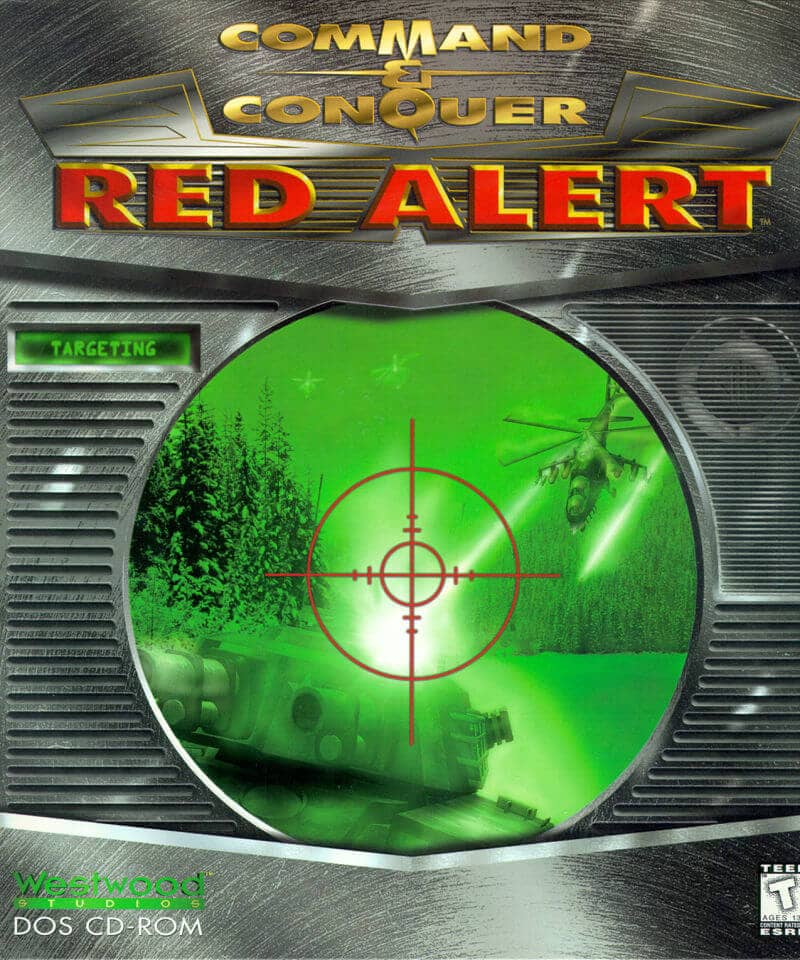
At its core, Red Alert follows the classic real-time strategy formula: players gather ore to fund their war machine, construct bases and barracks, produce infantry, tanks, aircraft, and naval units, then command these forces to destroy the enemy base. The pace is brisk, with resource collection and construction tightly interwoven. Each match starts from a small outpost and expands into a massive army. This 'collect-build-fight' loop wasn't new at the time, but Westwood polished it to near perfection, making the game easy to pick up and hard to put down.
The most striking feature is the design contrast between the Allies and the Soviets. Allied units are generally faster and have better sight range, favoring mobility and precision strikes—think of the Spy who can infiltrate enemy structures or the Mirage Tank that can cloak and ambush. The Soviets, on the other hand, rely on heavy armor and raw firepower, with behemoths like the Apocalypse Tank and the Kirov Airship. This isn't just a numbers game; it shapes the entire tactical approach. Playing as the Allies demands clever flanking and reconnaissance, while the Soviets excel at steamrolling through opposition. Switching between these two very different playstyles doubles the fun.
The game offers two separate campaign lines, telling the war from both the Allied and Soviet perspectives. Each mission has clear objectives, such as holding a position, destroying specific structures, or escorting vital units. The mission design is thoughtful, avoiding simple brute-force battles and often requiring strategic thinking—like using a Spy to steal enemy technology or an Engineer to capture a bridge. This variety makes the single-player experience engaging, unlike many RTS games where the campaign is just a prelude to skirmish mode.
Multiplayer is another major draw. In an era before widespread internet access, LAN play kept players hooked for hours. The included map editor offered extensive customization, letting players design terrain and resource distribution to create countless battlefields. While balance wasn't perfect, each faction had its own tricks, and high-level matches often came down to who could better exploit their side's strengths. This strategic depth made every match unpredictable.
The interface and controls are also remarkably user-friendly. A sidebar on the left houses all building, unit, and upgrade options, with simple click-to-build functionality. Unit grouping and move/attack commands are intuitive. Even newcomers to RTS games can grasp the basics within minutes, while veterans can pull off flashy tactics using hotkeys and micro-management. This easy-to-learn, hard-to-master design is a key reason Red Alert appeals to both casual players and hardcore competitive types, ensuring its lasting popularity.
Background and release
Red Alert's story begins with a mad scientific premise: Einstein invents a time machine and travels back to 1924, erasing Hitler from history just after his release from prison. Intended to prevent World War II, this act instead allows the Soviet Union to expand unchecked, becoming a new global threat. Thus, a war between the Allies and the Soviets erupts in the 1940s, plunging the world into another catastrophe. This setup is both absurd and thought-provoking, providing a perfect stage for the game.
The game is set in a fictional 1950s, but the technology is clearly ahead of its time, featuring wonder weapons like Prism Tanks and Chronoshift teleportation. This alternate-history approach gave developers creative freedom, unconstrained by real events. Both factions' arsenals carry a distinct period flavor, yet are infused with sci-fi flair. Players experience echoes of WWII while wielding futuristic weaponry—a blend that became Red Alert's signature.
Red Alert was originally conceived as a prequel to the first Command & Conquer, but its story quickly took on a life of its own. In the Allied victory ending, Stalin is assassinated, and his successor is a mysterious figure, setting up future installments. This branch eventually evolved into the standalone Red Alert series, diverging from the main Command & Conquer timeline and embracing a more over-the-top, humorous tone.
The faction design also reflects Cold War thinking. The Allies represent Western democracies, emphasizing freedom and technology; the Soviets embody the communist bloc, stressing collective strength and brute force. This opposition isn't just in unit stats but also in the live-action cutscenes and mission briefings. Allied commanders are always in sharp suits, while Soviet officers wear heavy uniforms and speak with thick accents. These details help players immerse themselves in the distinct personalities of each side.
Despite its absurdity, Red Alert's plot isn't without logic. It explores the ripple effects of altering history and how technology shapes warfare. Einstein's intentions were good, but the outcome was the opposite—a touch of irony that adds depth. As players enjoy the battles, they might ponder: if history were truly rewritten, what would the world look like? This contemplation elevates the game beyond mere entertainment, cementing its status as a classic for a generation.
Development
Red Alert was developed by Westwood Studios, which had already laid the groundwork for real-time strategy with Dune II and Command & Conquer. For this project, the team decided to try a different direction: using an alternate history to tell a lighter, more thrilling story. They drew inspiration from Cold War history but added a heavy dose of sci-fi, giving the game both realism and fun. This creative approach was quite bold at the time and set the tone for the series.
The game's live-action cutscenes are a hallmark. Westwood hired professional actors and filmed hours of footage for mission briefings and story progression. Though the production values were modest, the performances and dialogue were spot-on, especially the banter between the Soviet commander and Allied advisor, which left a strong impression. This blend of cinematic storytelling into games was groundbreaking and later emulated by many others.
Music is another highlight. Composer Frank Klepacki created a score mixing rock, electronic, and industrial elements, with 'Hell March' becoming the game's anthem. The heavy drums and driving guitars perfectly captured the tension of war, getting players' blood pumping. Klepacki's music not only enhanced immersion but also became a cultural icon of Red Alert, still frequently discussed by fans today.
During development, the team put significant effort into balance and unit design. They playtested Allied and Soviet forces extensively, ensuring each side had unique tactical value rather than just numerical superiority. Classic units like the Allied Mirage Tank and Soviet Apocalypse Tank went through multiple iterations before finalization. Additionally, the game shipped with a map editor, providing a rich creative outlet for the community and extending the game's lifespan.
Red Alert launched in 1996, during the golden age of RTS. Building on their previous experience, Westwood optimized graphics, sound, and controls to perform well on contemporary hardware. The game also supported multiple resolutions and included a detailed tutorial, lowering the barrier to entry. These touches reflect the team's commitment to player experience and were key to the game's rapid success.
Reception and legacy
Upon release, Red Alert received widespread acclaim, with critics praising its accessibility, fast pace, and excellent faction design. It was also a commercial hit, becoming one of the best-selling PC games of 1996. Many players were introduced to real-time strategy through this game, making it a gateway for a generation. Even today, veteran players look back on Red Alert with fond nostalgia.
The game's influence on the RTS genre is profound. It proved that RTS games could have strong personality, not just unit spam and combat. The differentiated Allied and Soviet designs were later borrowed by many similar games; the combination of live-action cutscenes and music became a hallmark of the Command & Conquer series. In short, Red Alert is not just a great game but a milestone in RTS history.
Expansion packs, Counterstrike and Aftermath, further enriched the game with new missions, units, and multiplayer maps. These expansions maintained the original's style, offering fresh challenges while players awaited the sequel. Then in 1997, Red Alert 2 pushed the alternate history in an even more exaggerated direction, introducing psychic villains like Yuri. Though the tone shifted, it retained the core gameplay of its predecessor.
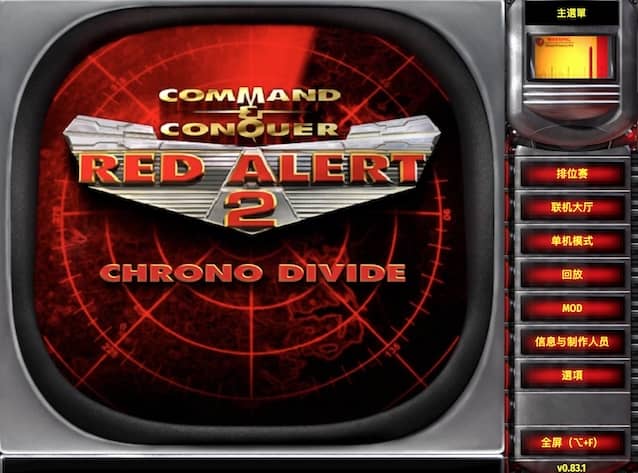
In the player community, Red Alert still has an active fan base. They create mods, host online tournaments, and even re-engineer the game engine to run on modern systems. This enduring vitality proves the timelessness of its design. Many players who revisit the game years later still find the same joy, which is perhaps the mark of a truly great game.
Red Alert also sparked reflection on history and war. It presented Cold War tensions in an entertaining way, letting players experience the clash of two ideologies. Though fictional, it piqued interest in real history, with some players delving into WWII and Cold War studies as a result. This edutainment effect is something many games aspire to, and Red Alert achieved it.