Gameplay and design
Mahjong Tenkaigen is a Japanese mahjong game in which players sit down at an arcade cabinet against computer-controlled opponents. It is not a tile-matching game: although both use mahjong tile designs, their rules and play are entirely different. Players build hands and win according to standard Japanese mahjong rules rather than hunting for matching tiles to clear. Keeping that distinction in mind matters for understanding what the game actually is, and it helps avoid confusion caused by the name or subject matter.
The game includes Dynax's Don-Den feature, which appears in several of the company's mahjong boards. Available material does not explain Don-Den's specific rules or how it shows up during play, so it is impossible to say whether it is a special scoring method, an extra game mode, or some other mechanic. Players may encounter the feature, but pinning down exactly what it does would require more detailed sources or hands-on play.
The "Tenkaigen" in the title is a proper noun; it does not mean the game grants some ability to see through an opponent's hand. Early descriptions of a see-through feature have been confirmed as inaccurate and removed. Players should therefore not expect any supernatural cheating or assistance mechanic. The core experience remains traditional Japanese mahjong, won through strategy and luck.
Background and release
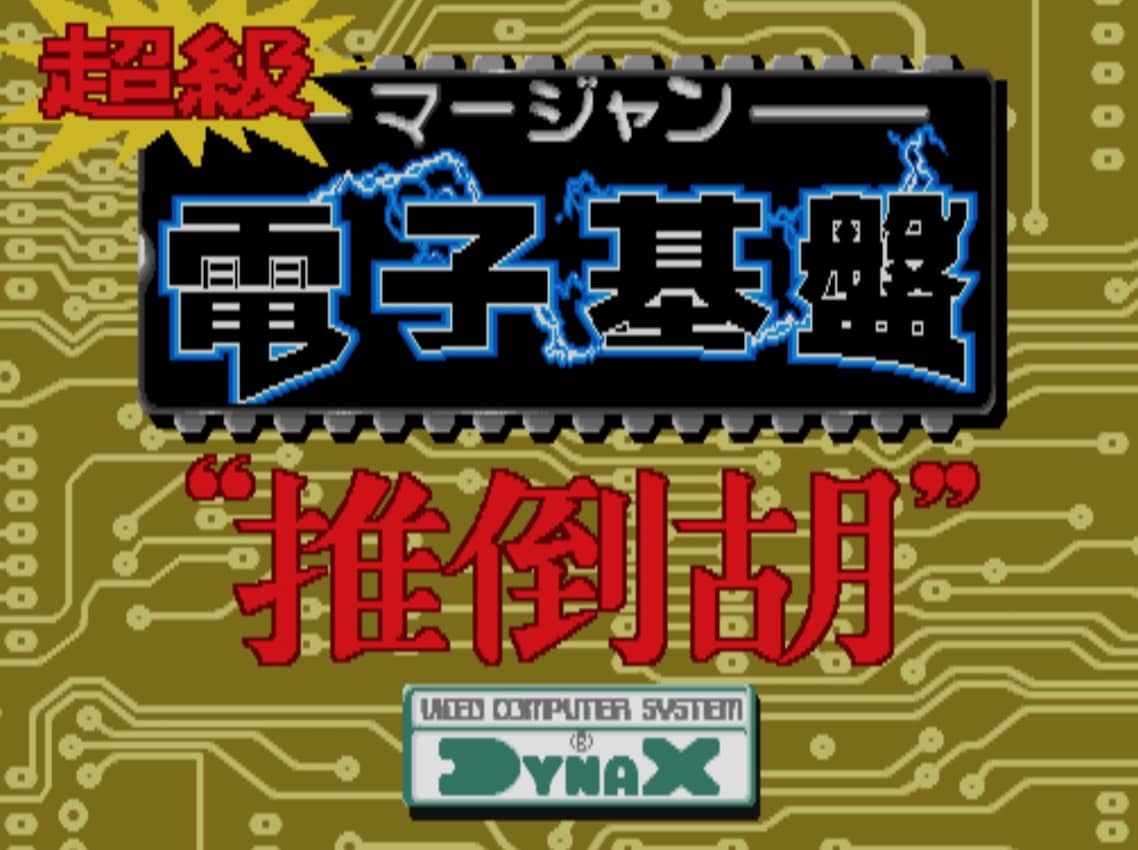
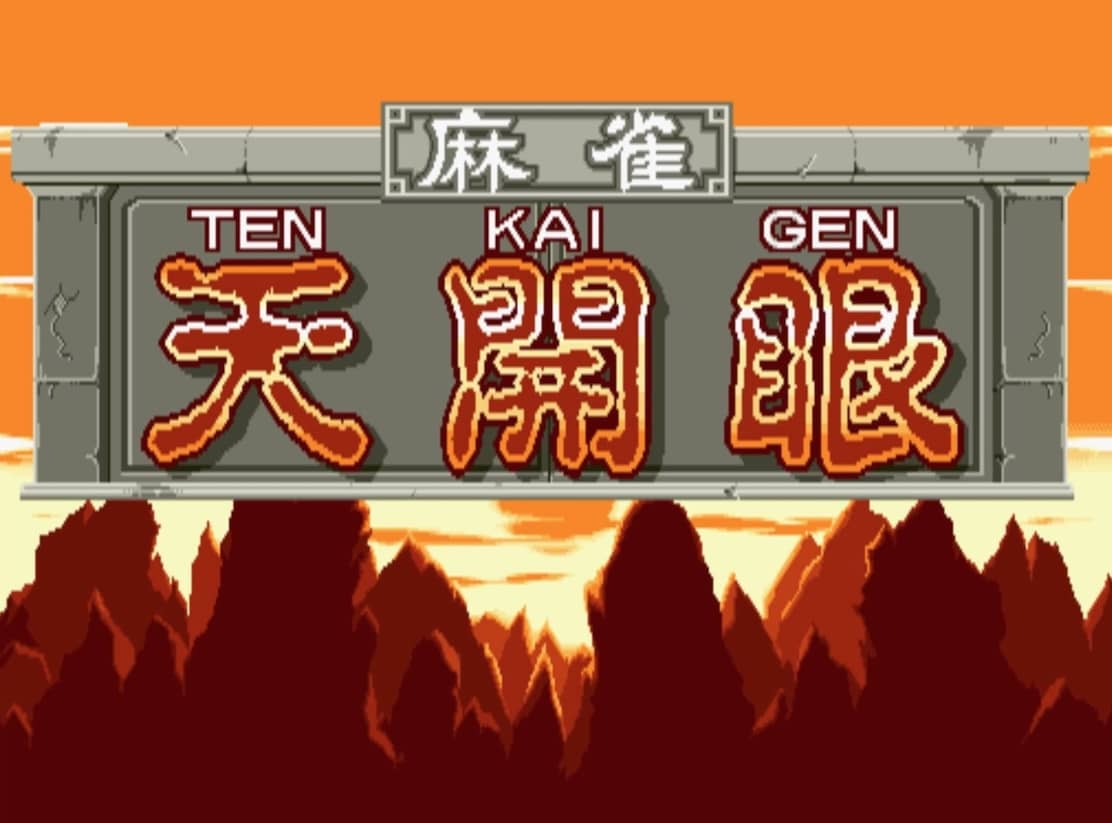
Mahjong Tenkaigen, titled 麻雀天開眼 in Japanese and romanized as Mahjong Tenkaigen, was released by Dynax in 1991 for the Japanese arcade market, aimed at domestic arcades. This is supported by arcade board databases and surviving manuals, and is more reliable than older listings that gave a 1999 date and an unknown developer. It is therefore an arcade title from the early nineties, not a later web game or remake. Note that "Tenkaigen" in the title is a proper noun and should not be read literally as some kind of X-ray ability; the old claim about seeing through an opponent's hand had no basis and has been removed.
The game's original platform was arcade hardware, not HTML5. Players can now access it through a browser page, but that is only a modern way of preserving and running it and does not change the nature of its original release. The browser version lets more people reach this old title, but it is not a 1999 remake or a native web game. In other words, being able to launch the game in a browser simply means someone preserved the arcade original; it does not mean the game was designed for the web when it came out. Understanding this helps place the game correctly in history and keeps modern access from being confused with the original release information.
As for the developer, available material names only Dynax as publisher and does not identify a specific development team. The "UNKNOW" field in older listings has been corrected, but the developer's identity remains unknown. There are also no reliable sales figures or contemporary media reviews to consult, so its commercial and critical performance cannot be judged. These gaps are a reminder that detailed information is often missing for early arcade games, especially those released only in Japan. When sources are thin, the honest approach is to say something is unconfirmed rather than fill the gap with plausible-sounding years, companies, or influence.
Development
Mahjong Tenkaigen runs on a Dynax arcade board used for several mahjong games. The Don-Den feature is a common trait of Dynax mahjong boards, but the material does not explain how it was implemented or why it was designed. We can confirm the feature exists but cannot go into its technical details or the thinking behind it during development. That restraint is the necessary choice given the available facts.
The game can currently be run through a browser page, which is a modern preservation method. The browser version lets players experience the game without original arcade hardware, but it is not an official remake or port; it is an emulation or wrapper around the original arcade release. This way of accessing the game has nothing to do with its original development and does not mean it was designed as a web page in 1991. Distinguishing the original platform from modern access is key to understanding the game's history accurately.
Available material offers no information about the development team, production anecdotes, or design documents. We do not know the development period, the people involved, or the creative inspiration. These unknowns should not be guessed at or filled in; they should be kept as part of the boundary of what is known. For early arcade games, such missing information is not unusual, and players and researchers can only rely on existing board data and manuals to reconstruct the history.
Reception and legacy
As one of Dynax's early nineties mahjong titles, Mahjong Tenkaigen's value lies more in preservation and documentation than in acclaim. It received no widespread media attention, and there are no reliable sales figures or contemporary reviews to cite. We therefore cannot assess its commercial or critical success and can only treat it as one sample from the development of Japanese arcade mahjong games.
The game's existence helps show Dynax's steady output in the mahjong genre. The appearance of the Don-Den feature across several boards suggests the company had some technical grounding and product-line planning in this area. However, there is no evidence that Mahjong Tenkaigen invented any industry convention or significantly influenced later titles. Its significance is as historical material, not as a groundbreaking milestone.
Today, browser access to the game makes things easier for researchers and nostalgic players. This preservation keeps a title once confined to arcades available. Despite the lack of detailed reviews and records of influence, the game itself, as a product of the 1991 Japanese arcade market, still has some archival value. For players who enjoy mahjong games or arcade history, it is a piece of source material worth noting.