Gameplay and design
The heart of Shuang Long Qiang Zhu 3 is mahjong play, with the player facing computer-controlled opponents. This needs to be kept distinct from another common kind of "mahjong game": some titles merely use mahjong tile designs for a matching-and-clearing puzzle, while this one is genuine mahjong competition that follows mahjong rules. The available material does not spell out which specific rules variant it uses, nor does it describe how the computer opponents think or how their difficulty is designed, so those details cannot currently be confirmed.
From what is known, the game does not introduce extra tile mechanics or special modes. Unlike some arcade mahjong titles, it does not add items, special attacks or story branches — at least, none of these are mentioned in the verified material. The words "Qiang Zhu" (grabbing the pearl) in the title might suggest dragon-ball collecting or a story premise, but the material offers no explanation of the kind, so it cannot be used to infer that the game contains collectibles or a storyline. Its gameplay is simply mahjong itself, and its distinguishing feature is being presented in arcade form for Chinese-speaking players.
The material also does not record whether the game supports two-player matches, a spectator feature or special rule options. The only thing that can be stated with certainty is that it pits players against computer opponents in mahjong hands rather than tile-matching puzzles. For a 1999 arcade mahjong game, that positioning is not unusual, but for this particular title the rule details, number of rounds and scoring method still lack reliable records.
Background and release
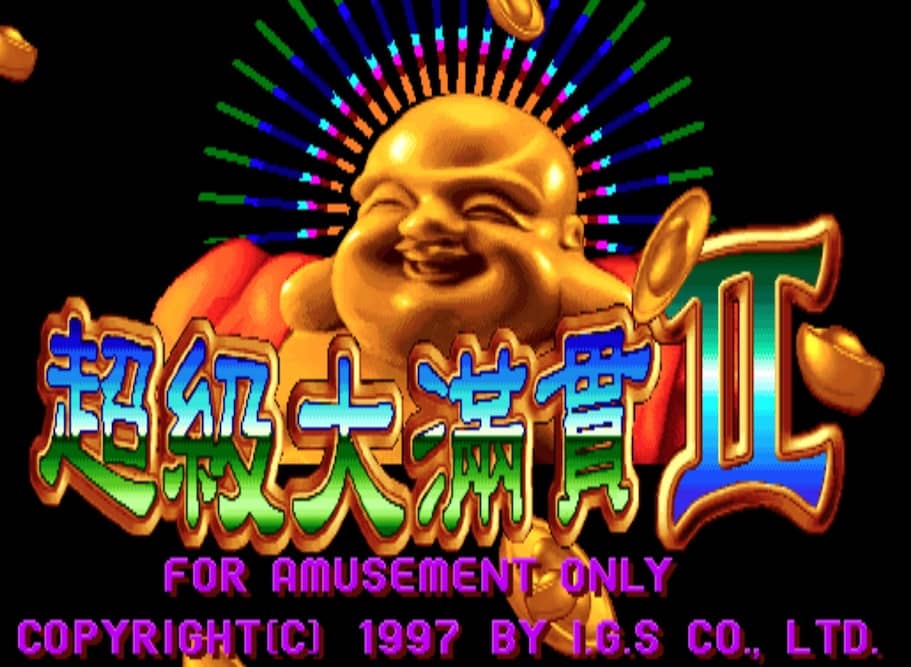
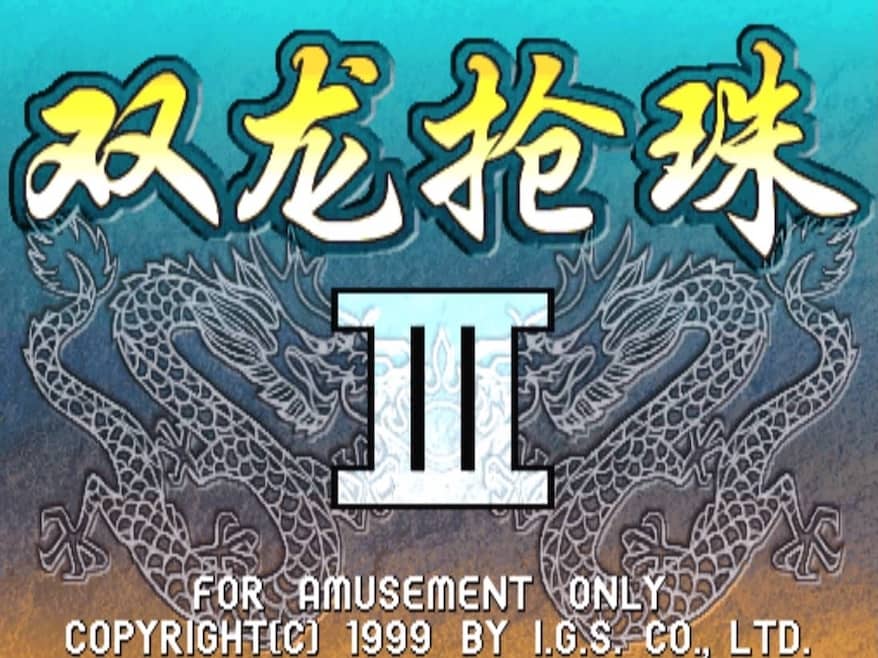
Shuang Long Qiang Zhu 3 is an arcade mahjong game released in 1999, developed and published by IGS. The "3" in the title is part of the name and indicates that it is the third installment of the Shuang Long Qiang Zhu series. The Chinese title is written as "双龙抢珠 3" in Simplified Chinese and "雙龍搶珠 3" in Traditional Chinese. It belongs to the coin-operated catalog of arcade halls, not to native HTML5 works. Two levels need to be kept apart here: when it was released in 1999 it was a coin-operated game run in arcades; the fact that players can now launch it through a browser page is merely a way of preserving and passing on an old title, and does not change what platform it originally belonged to. In other words, the fact that a browser can run an old game does not mean the original was an HTML5 game at the time of release.
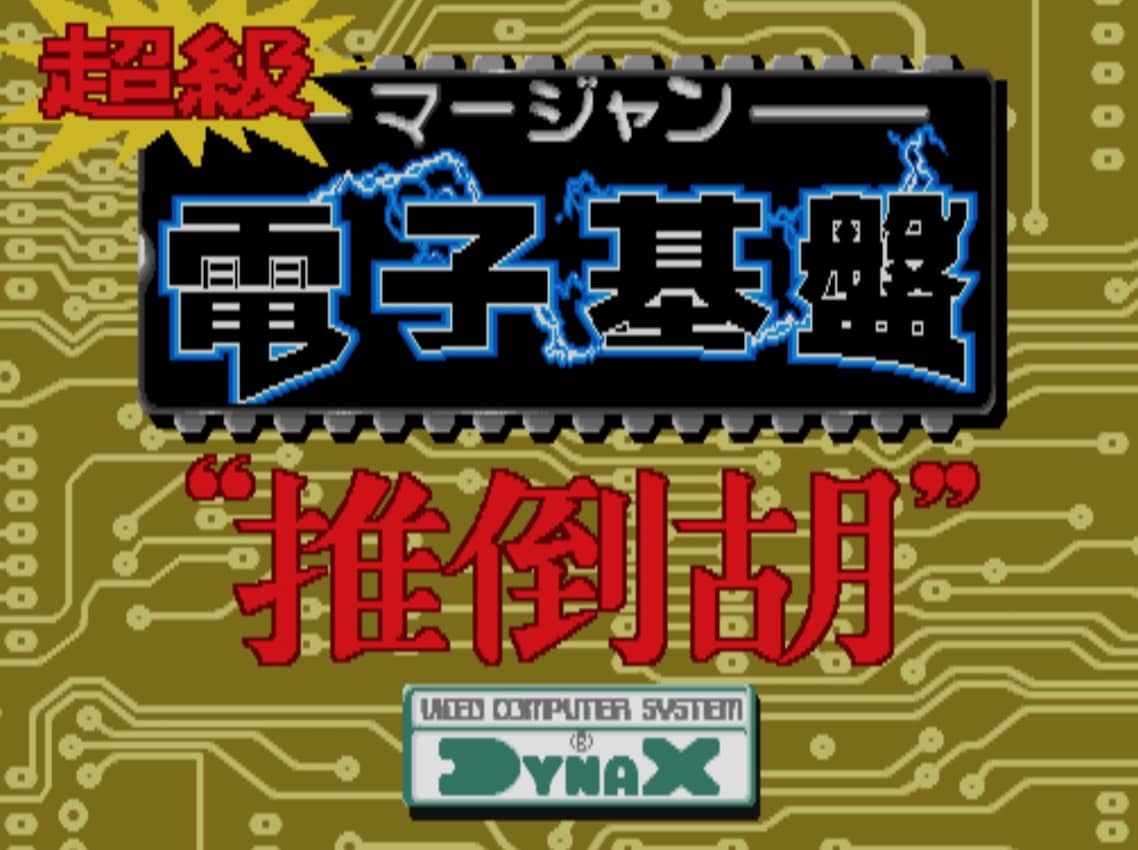
One point deserves special note: earlier material attributed this game to Dynax, and that claim is incorrect. Although the developer field in some catalogs already points to IGS, the mistaken attribution can still cause confusion. The actual developer of this game is IGS, and this should be confirmed as a basic fact of the game's identity. IGS developed and published a number of Chinese arcade board and card games during the 1990s, and Shuang Long Qiang Zhu 3 is one of them. Correcting the company information is not just changing a name; it concerns where this game sits within the line of Chinese arcade board and card products: it came from IGS, not Dynax. When introducing the game's identity, both developer and publisher should be given as IGS, so that the incorrect attribution is not carried forward.
The available material gives no precise information about the game's exact release date, the model of its hardware board, or whether it was released outside particular regions. What can be established is that it came out in 1999, belongs to the arcade platform, and is a numbered entry in the series. As for the first two games in the series and whether this entry continues their story or characters, the material likewise says nothing, so it cannot be expanded on. The words "Qiang Zhu" in the title might suggest dragon-ball collecting or a story premise, but the available material offers no explanation of the kind, so it cannot be used to infer that the game contains collectibles or a storyline. Similarly, the material records no reliable sales figures, review scores or competitive event records, and these gaps can only be left as they are rather than filled with plausible-sounding guesswork.
Development
The production information that can currently be verified is quite limited. It is known that IGS developed and published a number of Chinese arcade board and card games during the 1990s, and Shuang Long Qiang Zhu 3 is a product of that line. However, the material does not record which hardware board the game used, nor does it explain the makeup of the development team, the production period or the design inspiration. Any description of the specific development process, technical details or production anecdotes lacks a reliable basis.
Regarding the browser way of running it, one point must be made clear: the game can currently be launched through a browser page, but this is only a way of preserving and passing on an old title, and does not mean the original was an HTML5 game in 1999. The browser page gives modern players a chance to come into contact with this arcade work, but it is a later form of presentation and has nothing to do with the original development platform. The material does not say who made this browser version or when it went online, nor does it describe the technical details of its emulation or porting.
In addition, the material provides no information about licensed subject matter or rules adaptation. The game uses mahjong play, but whether it is an original ruleset or borrows from an existing mahjong variant cannot currently be judged. Whether "Shuang Long Qiang Zhu" in the title relates to a particular subject or licensed content is also unrecorded. Lacking this information, the production background can only rest on the basic facts of company, year and platform.
Reception and legacy
For a 1999 arcade mahjong game like Shuang Long Qiang Zhu 3, no reliable sales data, media review scores or competitive event records have been found. It is therefore impossible to give a quantitative assessment of its market performance or player reputation at the time. It did not form any traceable competitive scene, nor did it leave widely cited review material. These gaps are themselves part of the game's history, showing that its place in arcade history is relatively marginal.
From a preservation standpoint, the fact that the game can now be run through a browser page gives researchers and nostalgic players an entry point to the original work. The value of this kind of preservation lies in keeping an old title from disappearing entirely, but it cannot replace a complete record of the original hardware and release background. The material does not describe the scale or impact of this preservation project, so its significance should not be overstated.
At the series level, the "3" in the title confirms that this is the third installment of the Shuang Long Qiang Zhu series, but the circumstances of the earlier and later entries are not reflected in the material. The game holds a place within IGS's line of Chinese arcade board and card products, yet there is currently no evidence to support whether it is representative in its rules or has influenced later works. Assessment should stay restrained: it is a numbered series arcade mahjong game, and that is all.