







01
Where the series began
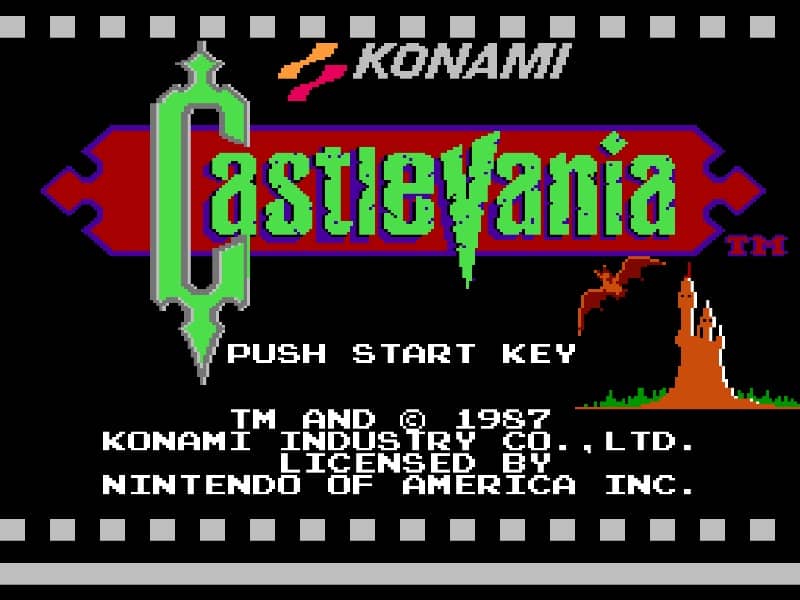
In 1986, Konami released Akumajō Dracula for the Famicom Disk System in Japan, and it later reached Western markets as Castlevania on the NES and other platforms. The differing regional titles have coexisted ever since, with Chinese players commonly calling it 'Demon Castle.' The first game laid the series' core premise: players take on a member of the Belmont clan, wielding a holy whip, cross, holy water, axe, and other weapons, battling Dracula and his minions in a castle filled with European monster imagery.
The original gameplay emphasized segmented levels, fixed jumps, and rhythmic attack timing. Players had to carefully study enemy patterns, platform placements, and candle positions; many mistakes came from misjudging distance or positioning rather than rapid button mashing. This design made the game more about strategy and memorization than pure action, a hallmark of the early series.
The early story revolved around the Belmont family's ongoing fight against the repeatedly resurrected Dracula, with the holy whip and other weapons blending European monster lore with action-game mechanics. This setup not only provided a rich variety of enemies but also laid the groundwork for the family legacy and world-building in later installments.
02
How the series evolved
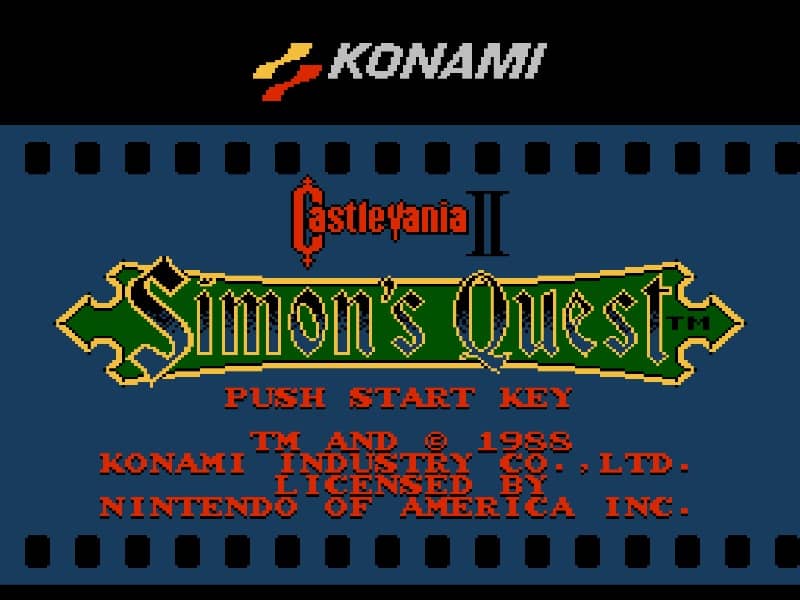
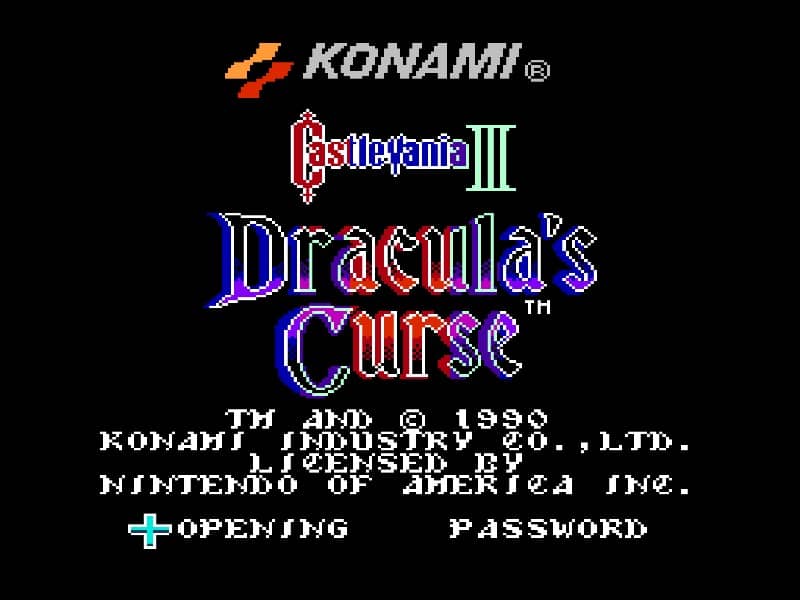
The series experimented with different adventure structures early on. Castlevania II: Simon's Quest introduced non-linear exploration, towns, items, and a day-night cycle, though its cryptic hints drew criticism. Still, it showed the series' ambition to move beyond straightforward level-based action. Castlevania III: Dracula's Curse let Trevor Belmont team up with multiple partners and offered branching paths, and the official anniversary collection highlights it as a standout of the early era.
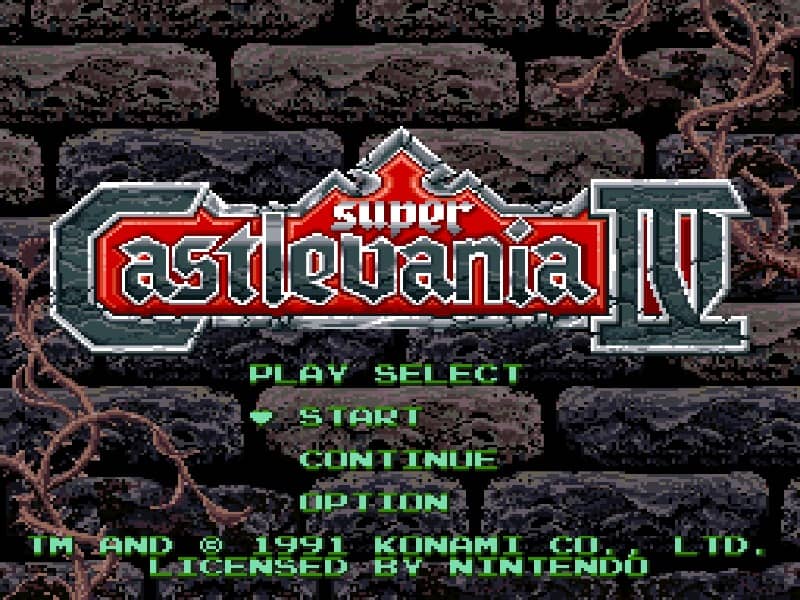
In the 16-bit era, Super Castlevania IV on the Super NES reimagined the linear action with eight-directional whip attacks, rotating and scaling effects, and more detailed animation. Rondo of Blood then bridged the gap between traditional level design and the later exploration style, featuring branching routes, a hidden character in Maria, and polished presentation. Its story directly leads into Symphony of the Night.
The 1997 release Castlevania: Symphony of the Night marked a major turning point. It put Alucard in the lead and combined a large, interconnected castle with equipment, leveling, and ability-gated progression. Alongside Metroid, it became a key reference for the term 'Metroidvania,' though that genre label was coined later and wasn't an official Konami classification at the time.
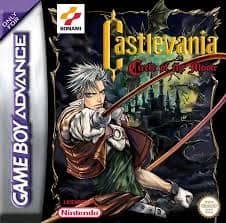
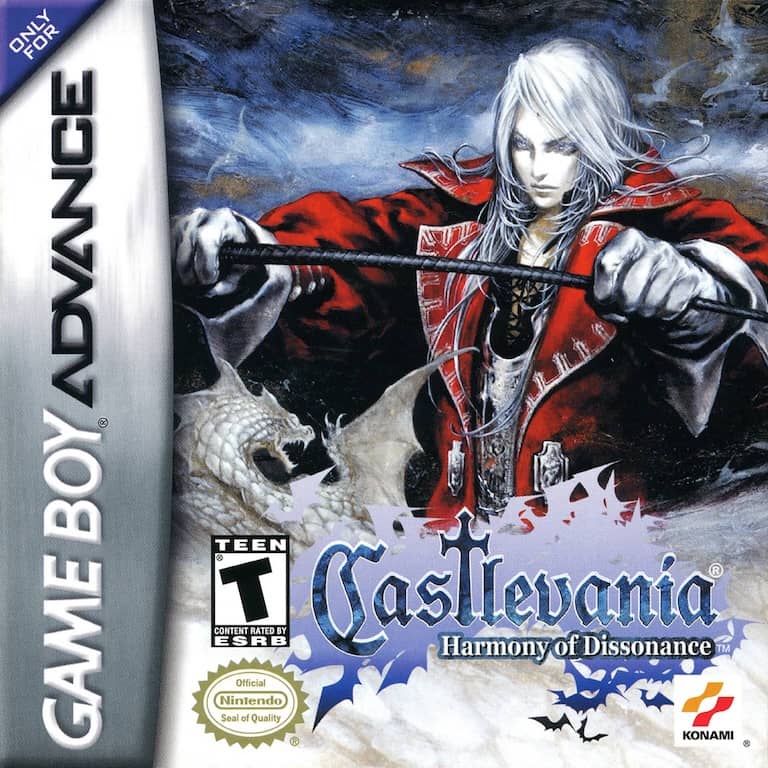
After that, the series didn't settle into just one style. The Game Boy Advance titles Circle of the Moon, Harmony of Dissonance, and Aria of Sorrow, along with the Nintendo DS games Dawn of Sorrow, Portrait of Ruin, and Order of Ecclesia, continued and varied the exploration-based formula. Meanwhile, linear level-based action, 3D attempts on the Nintendo 64 and PlayStation 2, and the Lords of Shadow reboot all coexisted, giving the series a diverse identity.
03
Design and identity
The Castlevania timeline spans centuries, with protagonists ranging from Belmont family members to Alucard, Soma Cruz, and Shanoa. Some games were later rearranged or removed from the official chronology, so it's best not to force every story into a single, contradiction-free line. This loose timeline actually lets the series accommodate different narratives and gameplay styles.
Music is a major part of the series' identity. Tracks like 'Vampire Killer,' 'Bloody Tears,' and 'Beginning' have been rearranged across various hardware and games, maintaining continuity beyond the visuals. These classic tunes evoke nostalgia in veteran players and also draw in newcomers.
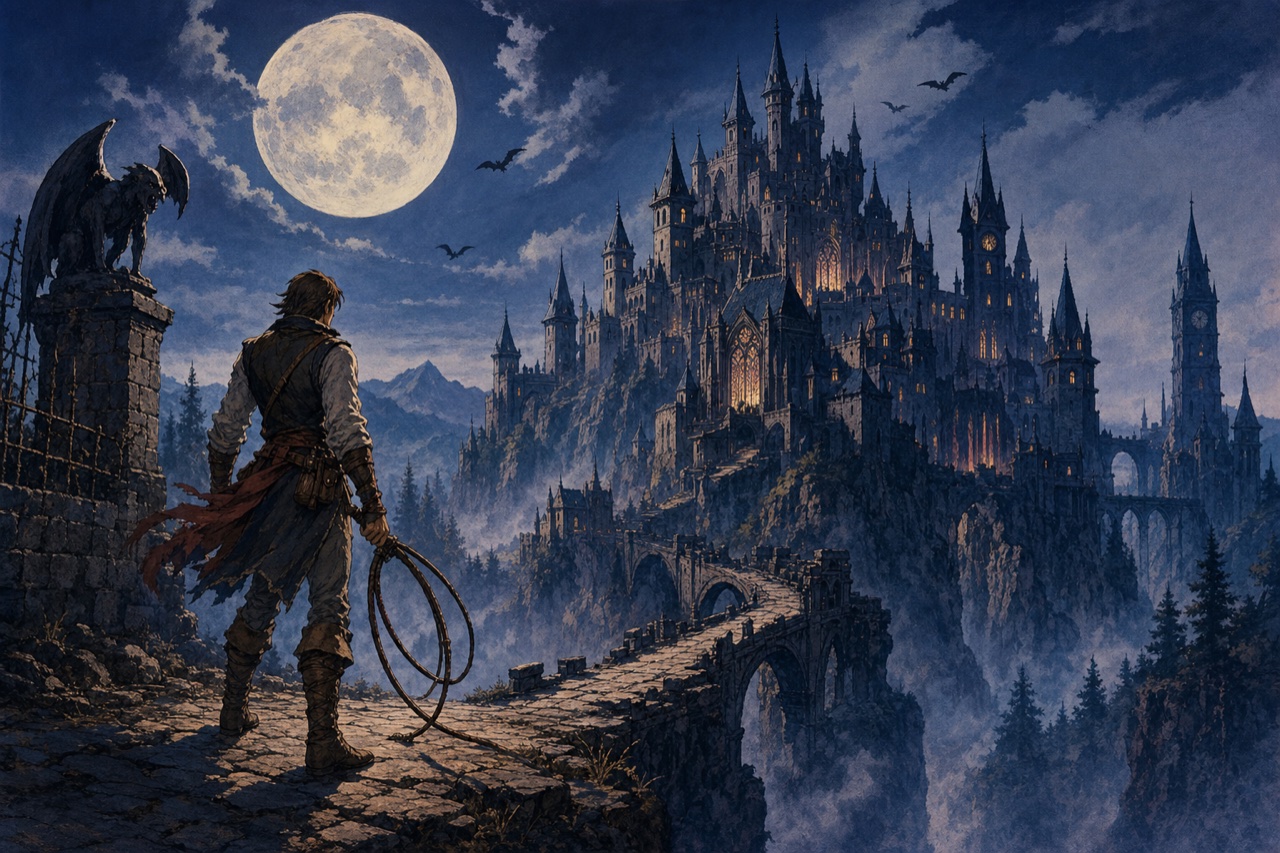
Visually, the series blends Gothic architecture, religious symbols, and classical monsters with the clean silhouettes typical of Japanese action games. It's not historical recreation but rather a borrowing of European horror culture to build its stages and family lore. This style makes the castle itself a character, full of mystery and menace.
The series' appeal comes from a long-standing tension between two rhythms: one demands players practice actions and memorize levels in clearly defined stages, while the other encourages getting lost in the castle, finding new abilities, and revisiting old areas with fresh eyes. This dual experience lets different players find their own enjoyment.
04
Player culture and its place today
Konami's anniversary collection includes the original, Simon's Quest, Dracula's Curse, Super Castlevania IV, two Game Boy titles, Bloodlines, and Kid Dracula, along with a bonus digital book compiling early series materials. This gives players an easy way to look back at the series' history.
The local game library spans Famicom, Game Boy, Super Famicom, Nintendo 64, PlayStation, GBA, and DS, allowing players to observe the shift from linear action to exploration-based structure, though it's not a complete timeline. Through these games, players can experience how the series evolved across different eras.
Castlevania holds a special place in player culture. It's not just a key representative of the 'Metroidvania' genre; its Gothic aesthetic and classic music have influenced many later games. Although the series has seen few new entries in recent years, older titles remain popular among fans, and fan works and speedrunning communities stay active.
Today, Castlevania remains an important name in action-game history. Whether you're a veteran or a newcomer, there's something in the series to remember and challenge you. Its design philosophy and artistic style continue to leave a lasting mark on gaming culture.