
01
Where the series began
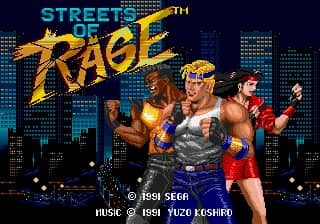
In 1991, Sega released the first Streets of Rage on the Mega Drive, known in Japan as Bare Knuckle: Ikari no Tekken. It wasn't an arcade port but an original side-scrolling beat 'em up designed specifically for the 16-bit console. While arcade brawlers were common at the time, having a game crafted for home consoles felt fresh to many players.
The first game's story is simple: Axel, Blaze, and Adam, three former police officers, take to the streets to fight the criminal organization led by Mr. X. Players move between foreground and background, using punches, kicks, throws, weapons, and special attacks to clear waves of enemies. The gameplay wasn't groundbreaking, but its execution on the Mega Drive gave two-player beat 'em ups a distinct identity.
Two-player co-op was central from the start. Teammates could rescue each other but also accidentally hit each other; grabbing, throwing, and crowd control made cooperation strategic, not just button-mashing. This emphasis on teamwork from the very beginning laid the foundation for the series.
The music was another highlight. Yuzo Koshiro composed the early soundtracks, bringing the club sounds of house and techno to the Mega Drive's audio chip. The urban night scenes, drumbeats, and rhythmic combat became tightly intertwined, giving players a unique groove while fighting.
02
How the series evolved
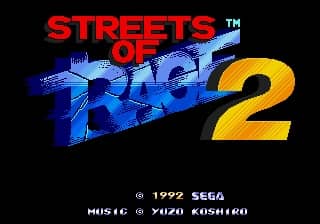
Streets of Rage 2, released in 1992, was a major turning point. Max and Sammy (known as Skate in the West) joined the roster, character differences became more pronounced, and normal moves, specials, enemy layouts, and visual scale all expanded. Each character had a distinct feel, allowing players to choose their favorite, which greatly increased replayability.
The second game also replaced the police support from the first with character-specific special attacks, balanced by a small health cost. This design forced players to weigh the risk of using powerful moves, adding strategic depth to combat.
Streets of Rage 2 is often considered the most polished of the three 16-bit entries, and for good reason. The character handling, level pacing, and music are all solid, with more thoughtful enemy placement that offers different challenges in each stage.
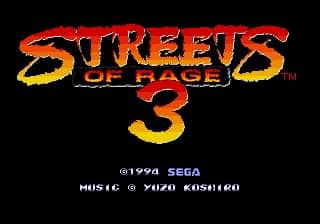
Streets of Rage 3, from 1994, brought more changes. It added running, rolling, a recoverable special meter, hidden and unlockable characters, and branching paths and endings based on actions and difficulty. These additions made the game more complex, but some veterans found them jarring.
It's important to note that Bare Knuckle III and the Western Streets of Rage 3 are not identical. The overseas version altered the story, character presentation, visual content, and difficulty, so they shouldn't be treated as the same text. This distinction is easy to miss when researching, so players should be aware.
The third game's music also shifted, using more generative and experimental electronic tones, sounding sharper and more unsettling than the second. This style makes it the most divisive entry in the series, with some appreciating its avant-garde approach and others feeling it lost the charm of its predecessor.
03
Design and identity
The impact of the Streets of Rage series comes from a combination of factors: hit-stop, sound effects, enemy reactions, throw positioning, and crowd control. Looking at move counts alone doesn't explain why it's so satisfying. It's the interplay of these details that gives every attack weight and makes combos and positioning feel solid.
Although the three Mega Drive games are set in the same crime-ridden city, the roster, speed, move structure, and level mechanics evolve continuously. They are a progressive series, not three unrelated games. This continuity lets players see the series grow and refine itself with each installment.
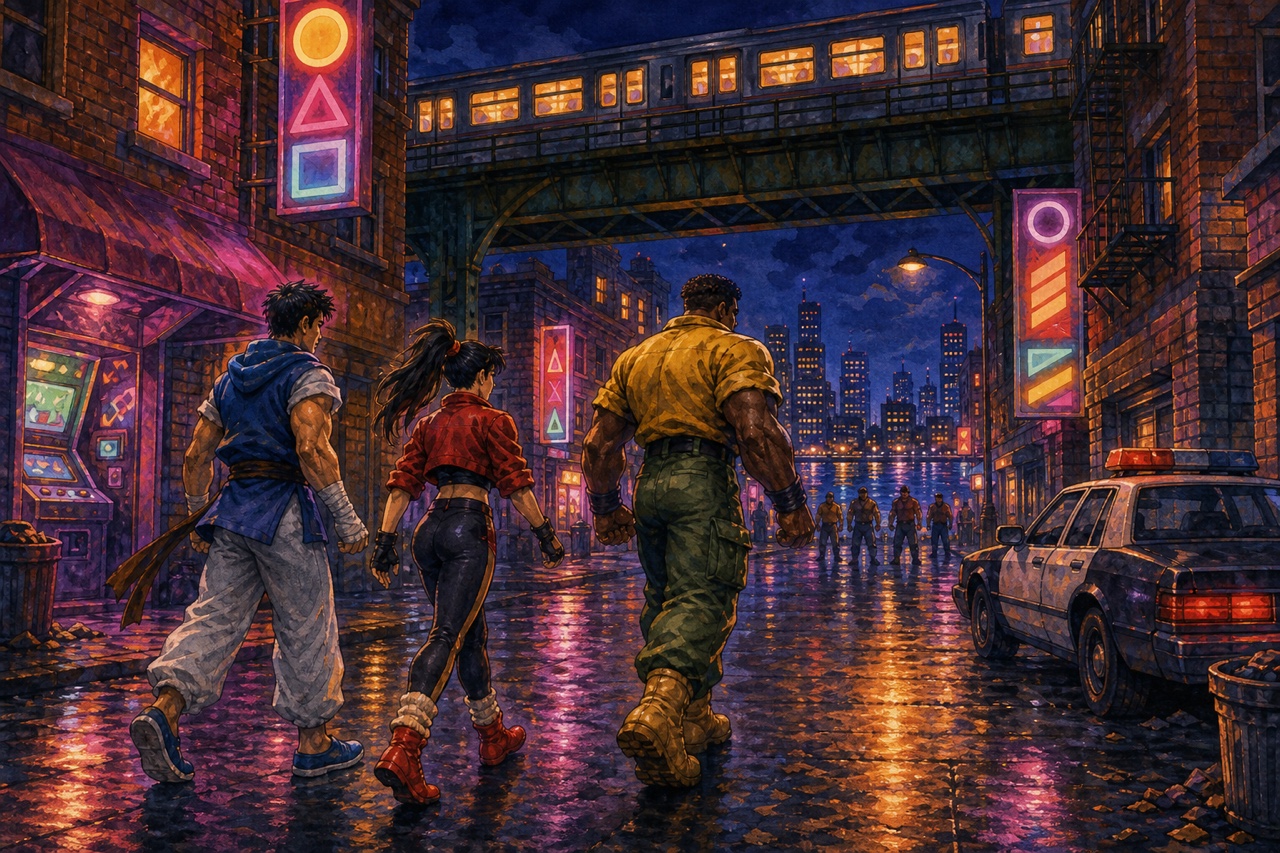
The core is street brawling, but the music and visual style are equally distinctive. Urban nightscapes, neon lights, and electronic dance music give the games a unique atmosphere beyond just fighting. Yuzo Koshiro's music is especially important, bringing club culture into gaming and giving players a rhythmic feel during combat.
Two-player co-op has always been a key part of the series. Whether it's the mutual rescues in the first game or the more complex teamwork in later entries, cooperation makes the games more than just solo play. The synergy and accidental hits between teammates have become fond memories for players.
04
Player culture and its place today
In English markets, the series is called Streets of Rage; in Japan, it's Bare Knuckle; Chinese players often call it Nu Zhi Tie Quan. These names all refer to the same series, so players need to be familiar with all of them when searching and discussing to find complete information.
This site happens to include the three main Mega Drive entries, allowing players to experience this era in release order. Only official playable versions are listed here, not ROM hacks, fan mods, or similarly named titles, so players can be confident these are authentic official games.
In 2020, Streets of Rage 4 continued the series after many years, using hand-drawn graphics but retaining the core beat 'em up gameplay. However, this site doesn't currently include that game, so the section doesn't pretend to cover the full history. Players looking for the complete series may need to look elsewhere for the fourth installment.
For fans of side-scrolling beat 'em ups, these three Mega Drive games are essential classics. They represent a style of play from the 16-bit era and have influenced many later games through their music and design. Although the series was dormant for a time, players' memories and discussions have never stopped.