AllGamesGo editorial
The Arcade Version History of Street Fighter II
Between 1991 and 1994, Capcom released five arcade editions of Street Fighter II. The roster grew from eight fighters to sixteen while speed, moves and match rules changed with each revision.
Last updated:August 11, 2026
Street Fighter II ruled the arcades for years, and the number of versions can make your head spin. You've probably heard names like "Twelve-Character Street Fighter" or "Turbo," but ask most people what actually differs between them and they'll draw a blank. To make it worse, home console ports often mixed features from different versions and used confusing names like "Special Champion Edition," so you couldn't tell what was inside just by looking at the box. This article will walk you through the five main arcade versions and let you know which ones you can play here, so you don't pick the wrong one.
Why So Many Versions?
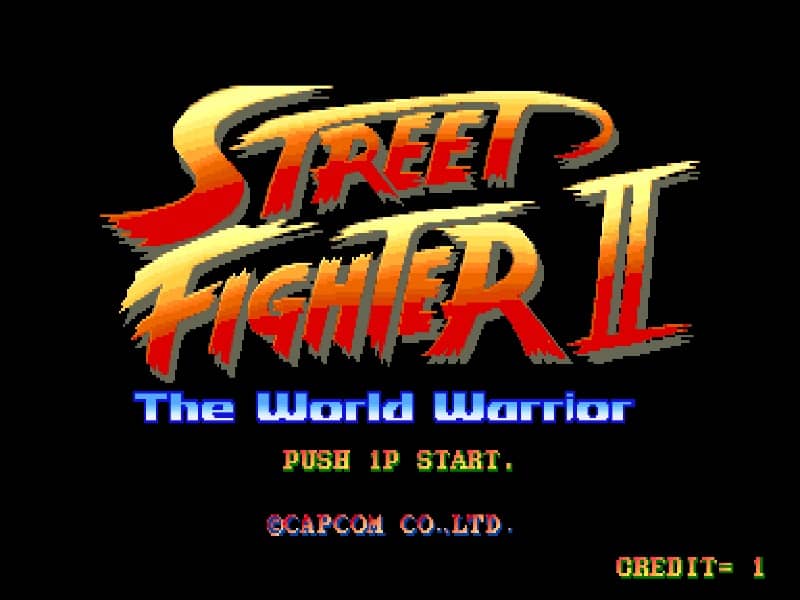
Street Fighter II first came out in 1991 as "The World Warrior," commonly called the "eight-character version." Capcom then released a series of updates, each changing characters, speed, or systems—not just slapping on a new title.
But with so many versions, the names get messy. Home console ports, especially on SNES and Mega Drive, often recombined arcade features because of cartridge size, release timing, and regional naming. For example, some "Turbo" versions weren't direct copies of the arcade Hyper Fighting, and some "Special Champion Edition" carts were actually hybrids. So you can't judge what's inside just by seeing "Turbo" or "Champion" on the box.
In short, the arcade version itself has five main releases, and each deserves a closer look. The table below will help you quickly remember their most obvious differences.
The Five Official Arcade Main Versions
Listed by year, these five versions trace the complete evolution of Street Fighter II. Each one changed a lot from the previous, not just adding a few characters.
| Year | Version | Easiest Change to Remember |
|---|---|---|
| 1991 | The World Warrior | Eight selectable characters; four bosses are CPU-only |
| 1992 | Champion Edition | Four bosses become selectable; mirror matches allowed; character balance tweaks |
| 1992 | Hyper Fighting | Overall faster pace; some moves added or adjusted |
| 1993 | Super: The New Challengers | Switched to CPS-2; four new characters, bringing the total to sixteen |
| 1994 | Super Turbo | Adds Super Combos, speed selection, and hidden character Akuma |
The Original Eight: Big Differences Right Away
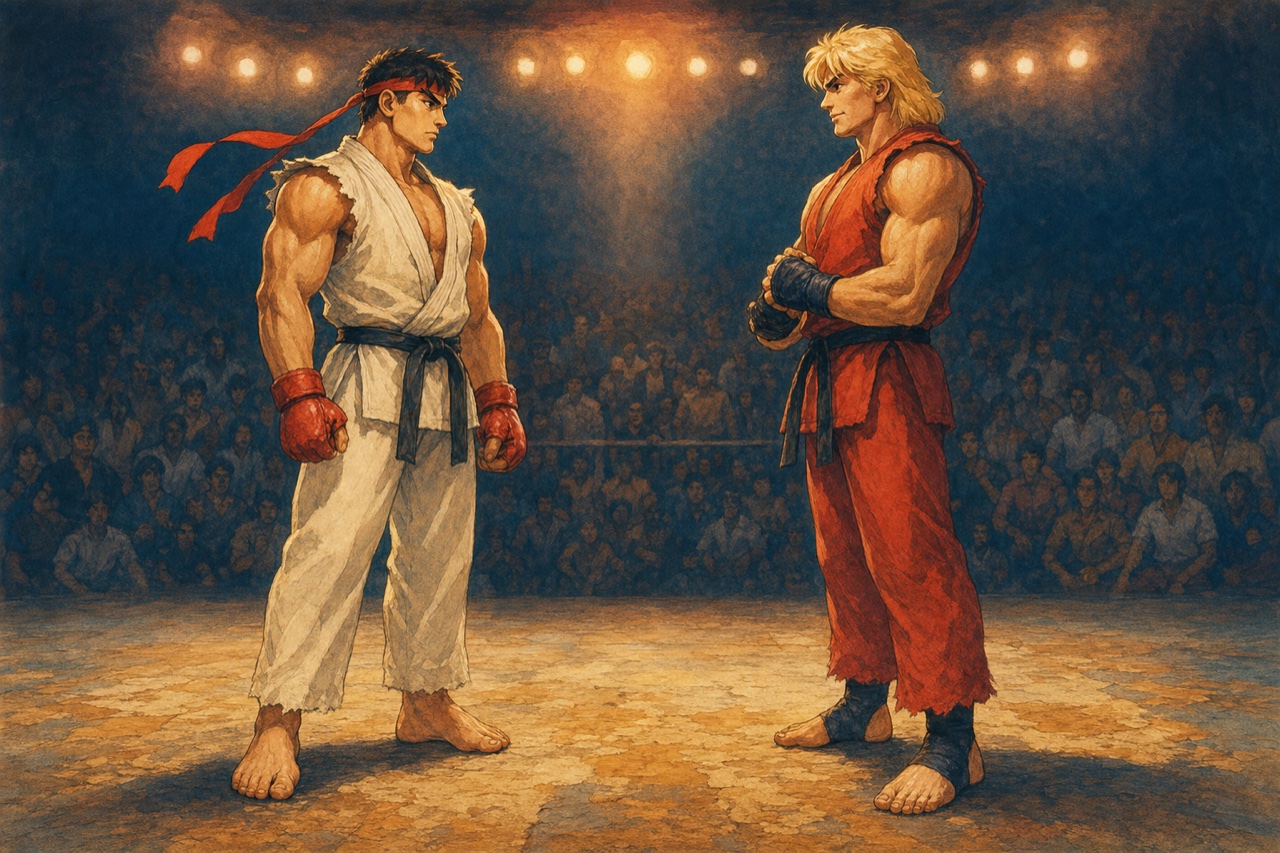
The 1991 original only had eight selectable characters, but they all played completely differently. Ryu and Ken had similar basic moves, but Guile relied on charge moves, Dhalsim used his long limbs to control space, and Zangief had to get in close. From the very first version, Street Fighter II wasn't just about different looks—each character had their own game plan.
That said, the original had rough edges, like poor balance and obvious limitations: the four bosses were CPU-only, and mirror matches weren't allowed. Players kept hitting these issues in real matches, which gave later versions clear directions for improvement.
The World Warrior on this site is the 1991 arcade version, not some port. If you want to experience the original eight-character roster and that slightly rough but honest feel, this is the one.
Twelve Characters: Bosses Join, Mirror Matches Begin
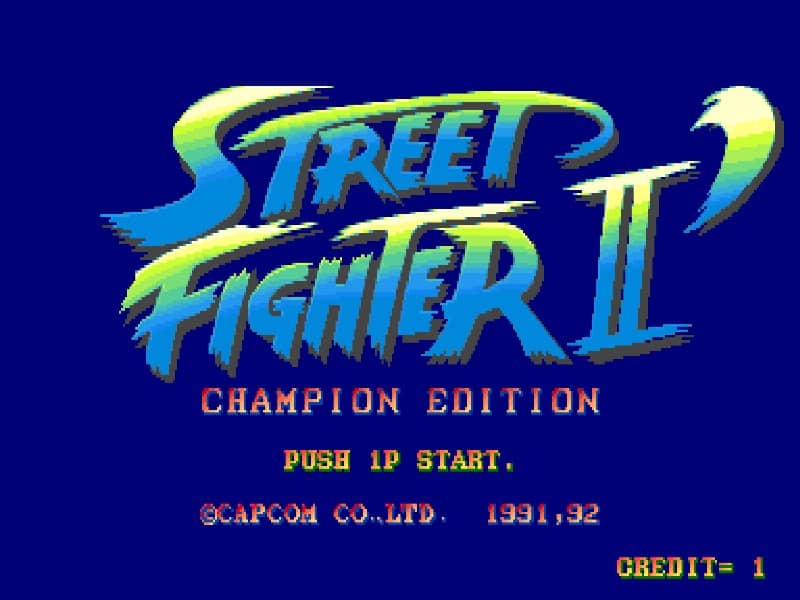
The biggest change in 1992's Champion Edition was that the four CPU bosses became selectable, bringing the roster from eight to twelve. It also allowed mirror matches, and to tell the two same characters apart, players saw different color schemes (P1 and P2) for the same fighter. This simple change actually deepened strategy a lot, because you could now face a friend using the same character and see who knew the character better.
Beyond adding characters and mirror matches, character stats and move properties were adjusted. It didn't overturn the original gameplay, but redistributed strengths among the twelve fighters. Players familiar with the original won't have trouble getting used to it, but they'll quickly find they can't just rely on old habits.
The Champion Edition here is the standalone 1992 arcade version, not the Mega Drive's Special Champion Edition. That latter is a console hybrid with a similar name but different content. If you want the authentic twelve-character Street Fighter, this is it.
Hyper and Super: Two Different Evolutions
Also in 1992, Capcom released Hyper Fighting. This version clearly sped up the pace on top of Champion Edition, and added or adjusted some moves. The roster stayed at twelve, but movement, attacks, and reactions all got tighter—"fast" is its most recognizable trait.
But note: home console ports with "Turbo" in the name weren't always exact copies of Hyper Fighting. Some might just have increased speed, but move details and hitboxes differed from the arcade. So don't equate "Turbo" with "Hyper Fighting."
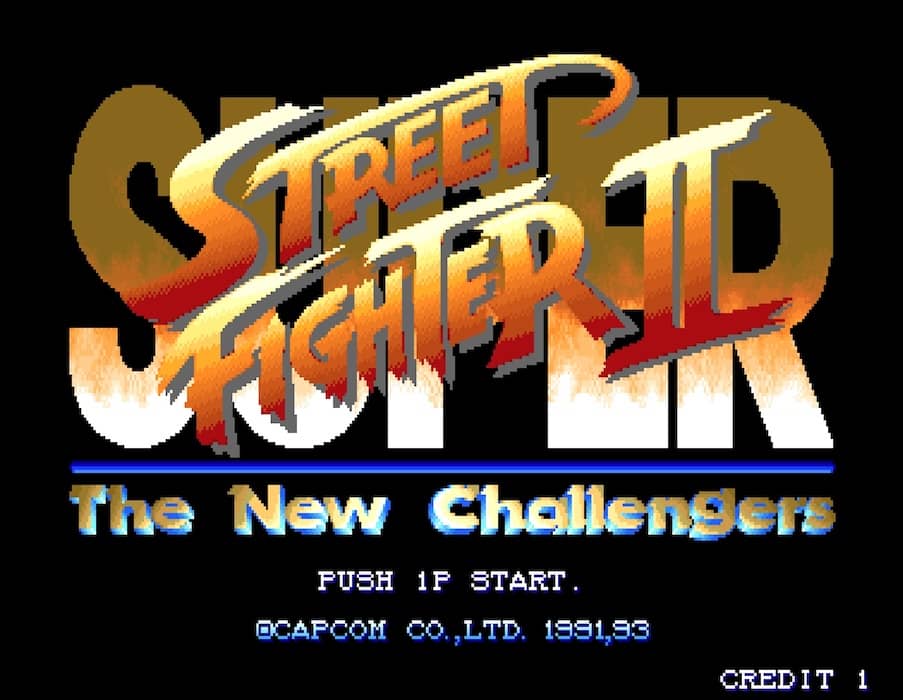
In 1993, Super Street Fighter II: The New Challengers moved to the CPS-2 board, giving it a fresh look and sound, and added four new characters—Cammy, Fei Long, T. Hawk, and Dee Jay—bringing the total to sixteen. This upgrade wasn't just speeding things up or adding characters; it was a full technical overhaul, changing both visuals and audio. The Super Street Fighter II on this site is this version, not Champion Edition or Super Turbo. If you want to experience CPS-2-era Street Fighter, this is the one.
Super Turbo: Super Combos and Akuma
In 1994, Capcom released Super Street Fighter II Turbo, commonly called Super Turbo. This version added the Super Combo system on top of Super, offered speed selection, and hid Akuma as a secret character. By this point, players had to watch not only spacing and moves but also meter and timing for super moves.
This is not the version currently on this site. Super Turbo is included in the timeline to show what came after the sixteen-character version, not as a substitute for Super Street Fighter II.
How to Choose a Version Here?
This site currently offers three exact arcade versions: The World Warrior, Champion Edition, and Super Street Fighter II. They represent different stages of Street Fighter II's evolution. If you want the pure feel of the original eight, pick The World Warrior; if you want twelve characters, mirror matches, and the balance tweaks, go with Champion Edition; if you want to see the CPS-2 visuals and the four new characters, choose Super Street Fighter II.
If we add other official versions in the future, they'll go on the same timeline for easy comparison. Fan-made hacks and ROM hacks won't be mixed into the official versions; they'll be in a separate area, so you can enjoy fan creativity without confusing it with the official releases.
You don't need to memorize a bunch of English subtitles to pick a version. Just look at the year, the roster size, and the most obvious change, then start from the era you want to play. That way, you won't mix up the similarly named Street Fighter II games.