
01
Where the series began
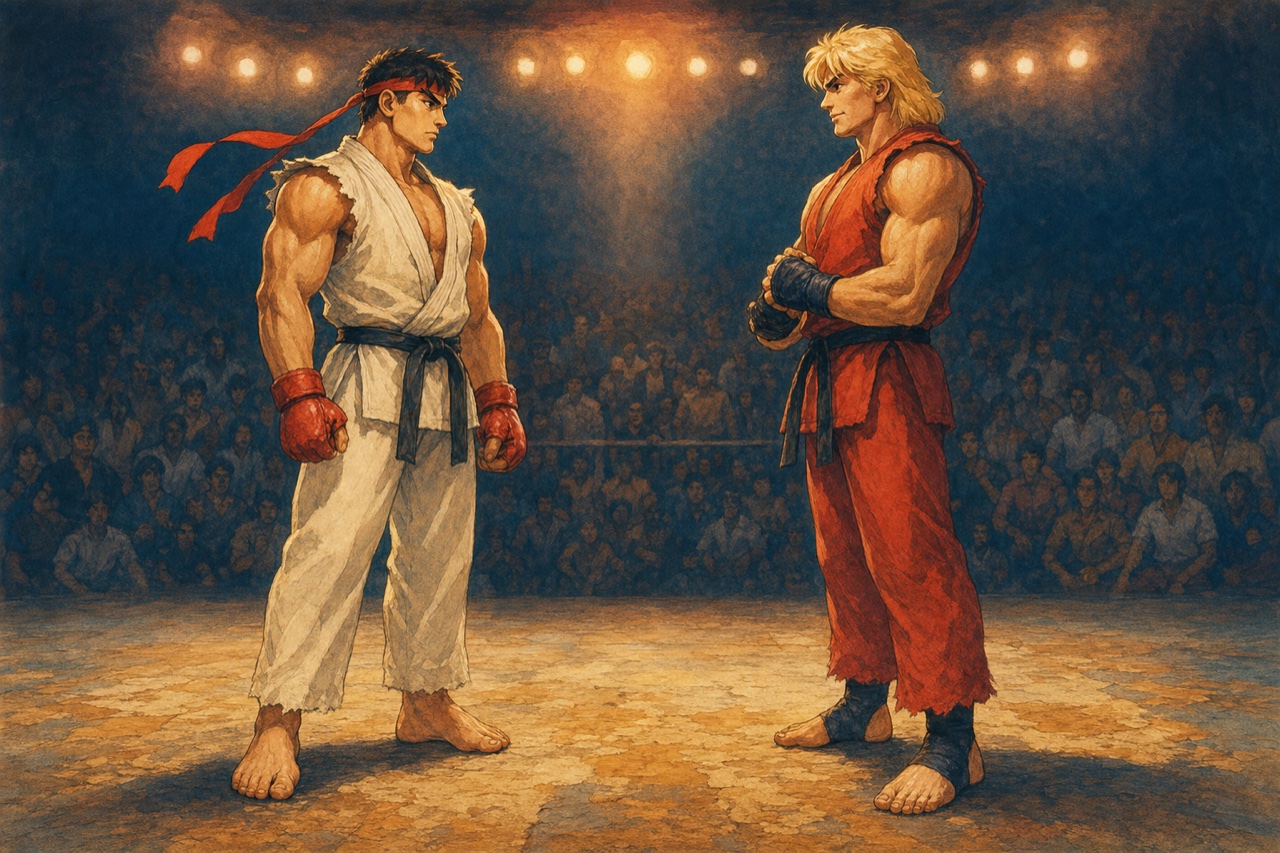
In 1987, Capcom released the arcade version of Street Fighter. At the time, one player was locked into Ryu, while a second player could take on Ken in versus mode. Characters like Adon, Gen, Birdie, and Sagat were unplayable opponents in the original, but they would later become series regulars. The first game already established command-input special moves like the Hadoken, Shoryuken, and Tatsumaki Senpukyaku, though the input detection was strict, and pulling off the moves was part of the learning curve.
Street Fighter II hit arcades in 1991, developed right after Final Fight. Official developer interviews note that the team was tasked with building on the versus fighting that made the original popular, pitting fighters from different countries and styles against each other. The eight playable characters had distinct body types, movement, normals, throws, and specials, and the six-button layout of light, medium, and heavy punches and kicks created a clear, layered control language.
Final Fight was once known as Street Fighter '89 during planning, and its development experience and success gave the team the technical and manpower foundation for Street Fighter II. In a sense, the versus DNA of the series was planted in the original, but Final Fight's groundwork let the sequel flourish under more mature conditions.
02
How the series evolved
Combos in Street Fighter II weren't originally planned as a full system. When players and developers found it interesting that normal move animations could be canceled into specials, they kept it, and canceling and combos became a key language of fighting games. This discovery changed the rhythm of offense and defense for the series and the genre as a whole.
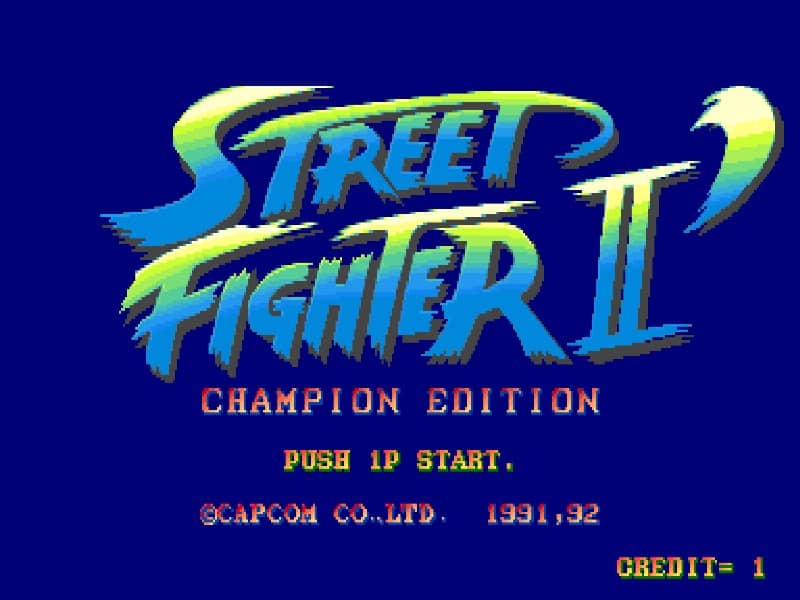
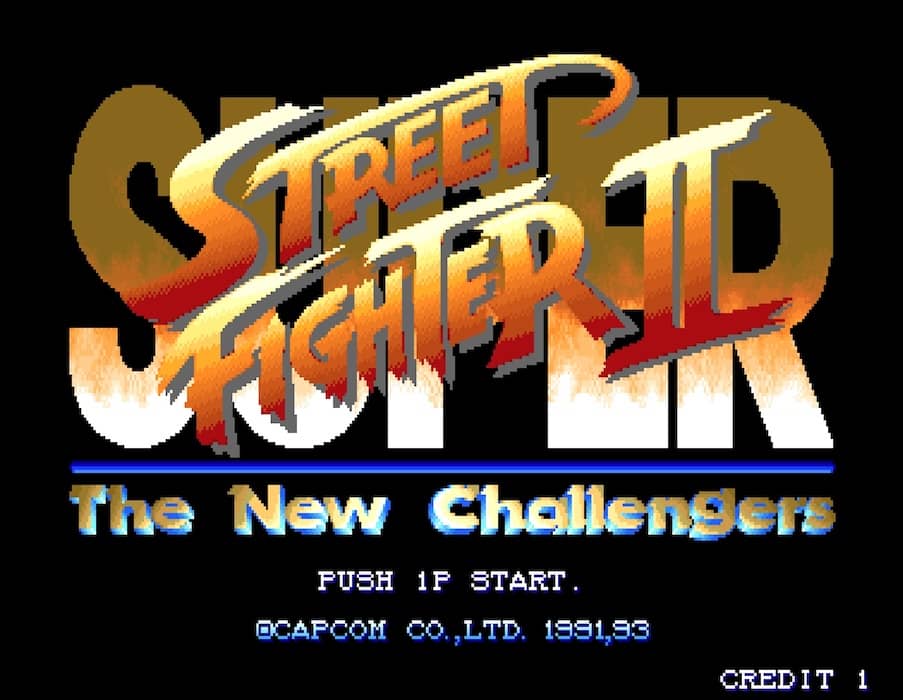
Street Fighter II wasn't a single release but a series of rule revisions. Champion Edition opened up the four bosses and allowed mirror matches; later, Hyper Fighting sped things up, Super Street Fighter II added Cammy, Fei Long, Dee Jay, and T. Hawk, and Super Turbo introduced super combos and Akuma. Capcom's 30th anniversary collection puts the original, five major Street Fighter II arcade versions, three Alpha games, and three Street Fighter III games on one official timeline, making it clear the series isn't one game but a lineage of rule changes.
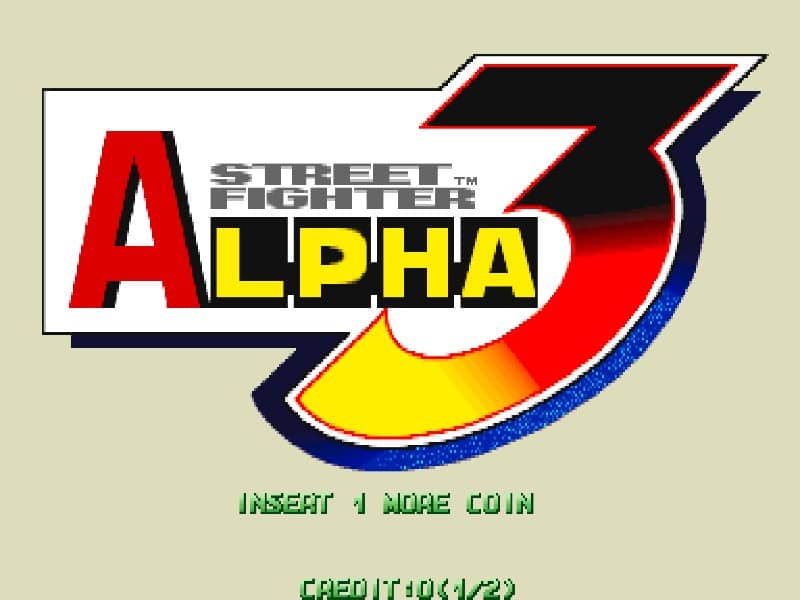
The Street Fighter Alpha series adopted a more vibrant anime style, set before Street Fighter II, and introduced systems like air blocking, Alpha Counters, and Custom Combos that varied by game. Street Fighter III redefined offense and defense with a new cast and the parry mechanic. After that, Street Fighter IV used 2.5D visuals to bring console and arcade players back together, while Street Fighter V and Street Fighter 6 continued to adjust the structure around long-term support, online play, and onboarding for newcomers.
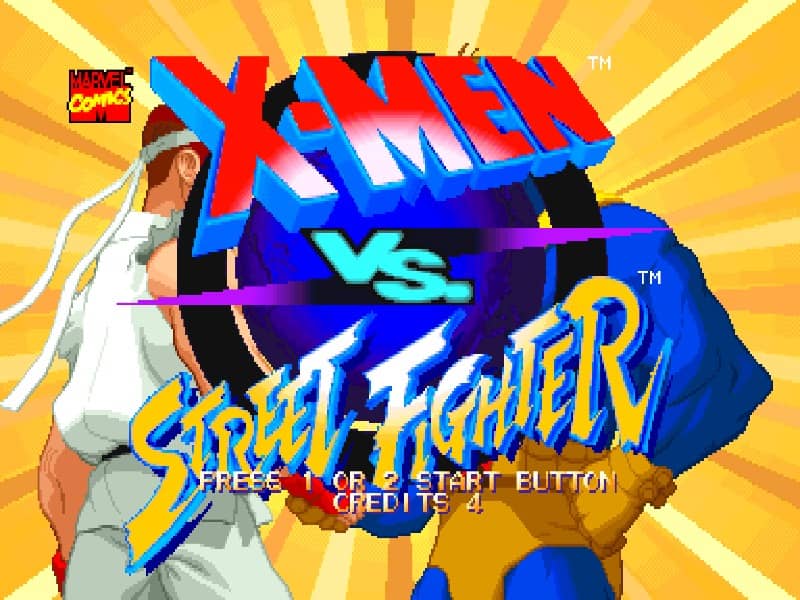
Crossover titles like X-Men vs. Street Fighter are a side branch and shouldn't be lumped in with the numbered mainline, but they pushed air combos, flashy presentation, and two-on-two team play down another important path. Console ports, arcade sessions, offline tournaments, and online play each shaped player experiences in different eras; version differences within the same game affect speed, character strength, move properties, and tournament rules, so any guide must clearly note the version.
03
Design and identity
The core of Street Fighter isn't a fixed move list but positioning, spacing, the risk of committing to a move, reading your opponent, and adapting on the fly. New versions swap systems, but that one-on-one tension of mind games and execution has stuck around. Beginners can get in with jumps, crouches, blocks, throws, and specials, while veterans keep digging into frame data, spacing, resources, and psychological warfare.
The characters' nationalities and martial arts designs carry the exaggerated imagination of their era, and later games have kept revising them. Ryu, Chun-Li, Guile, Ken, Cammy, and others have gone beyond any single game to become instantly recognizable figures in global video game culture.
The series' long-term value comes from clear core rules and ever-changing details: the battle for position and distance, the risk and reward of attacks, the mental game of reading and countering—these elements together make up Street Fighter's unique character.
04
Player culture and its place today
The Street Fighter series nurtured the earliest competitive players in the arcade era, and console ports brought the series to a wider audience. Offline tournaments and online play each shaped player experiences in different generations, and version differences became a key foundation for player discussion and tournament rules.
Characters like Ryu, Chun-Li, Guile, Ken, and Cammy have become instantly recognizable figures in global video game culture, transcending the games themselves.
Today, the Street Fighter series still draws in new and returning players with its clear core rules and ever-evolving details. Whether you're a beginner or a veteran, there's something to enjoy and explore in the series.