AllGamesGo editorial
Why Are Japan's and the West's Super Mario Bros. 2 Different Games?
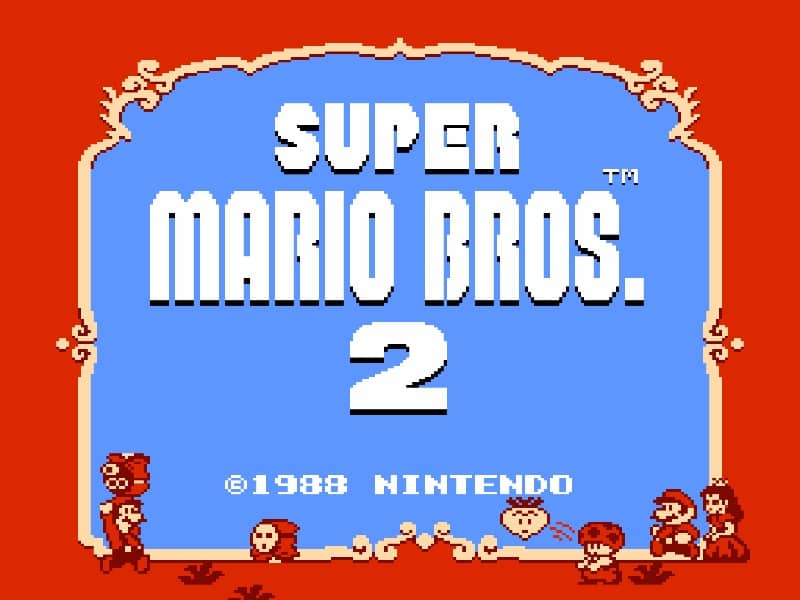
Japan's 1986 sequel directly continued the original's gameplay, while the West's 1988 sequel was remade from Yume Kōjō: Doki Doki Panic. Later names would distinguish the two lines.
Last updated:August 20, 2026
In the Super Mario Bros. series, the term "2" is a bit special: when Japanese and Western players say Super Mario Bros. 2, they're actually talking about two different games. To tell them apart, you need to look at the year, region, and subtitle.
Same Name, Different Game
Let's start with the conclusion: Japan's Super Mario Bros. 2, released for the Famicom Disk System in June 1986, is the true sequel to the original, continuing Mario's quest to save the princess and defeat Bowser. It's harder and introduces Poison Mushrooms. Meanwhile, the Super Mario Bros. 2 that Western players got on the NES in 1988 comes from a different game, Yume Kōjō: Doki Doki Panic, with different gameplay, characters, and setting.
So, if you talk about "Super Mario Bros. 2" with a Japanese player, you might not be talking about the same thing. To be precise, it's best to include the platform, year, and subtitle, like "the 1986 FDS version" or "The Lost Levels," otherwise you might be talking past each other.
Japan's 1986 Sequel: A Harder Continuation of the Original
The Japanese sequel directly continues the original's graphics and basic controls, but the level design is trickier, introduces Poison Mushrooms (which hurt or kill you), and gives Luigi a different feel—he jumps higher but is slippier. It was released on the Famicom Disk System and was not released in the West on the NES under the name Super Mario Bros. 2.
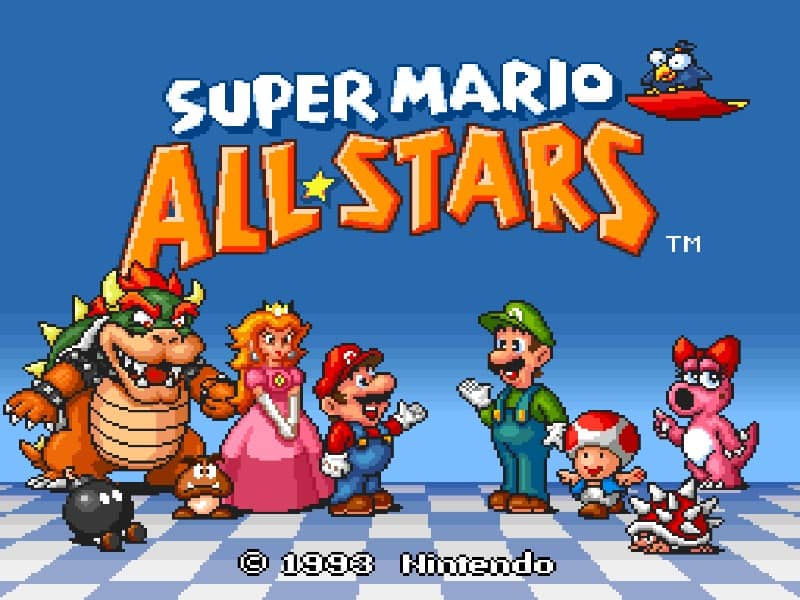
Later, Nintendo included this game in the 1993 compilation Super Mario All-Stars, where it was called Super Mario Bros.: The Lost Levels in the West. That name has since become its most common designation.
The West's 1988 Sequel: From Yume Kōjō: Doki Doki Panic
In July 1987, Nintendo and Fuji Television released Yume Kōjō: Doki Doki Panic for the Famicom Disk System. It's an action game whose protagonists are original characters, not Mario. Official interviews with Nintendo developers Koji Kondo and Kensuke Tanabe confirm that this game is the basis for the American Super Mario Bros. 2.
In 1988, the North American NES Super Mario Bros. 2 was remade from Yume Kōjō: Doki Doki Panic, swapping in Mario series characters and settings, and reworking the music for the NES's sound capabilities. It's not a brand-new set of levels; the main stages and the pick-up-and-throw gameplay still come from Yume Kōjō. But calling it a simple reskin without adjustments is also inaccurate.
They Play Completely Differently
The two games feel very different in practice. Japan's 1986 sequel is still classic side-scrolling: run, jump on enemies, hit blocks, and reach the flagpole. The only characters are Mario and Luigi, and their differences are in jumping and handling.
The West's 1988 sequel emphasizes exploration and throwing. You can choose Mario, Luigi, Peach, or Toad, each with different jumping, speed, and strength. The core action is pulling up vegetables from the ground, picking up enemies or objects, and throwing them. Levels feature both horizontal and vertical exploration, and the settings are more varied.
The story is also different: the Western sequel takes place in the dream world of Subcon, with the final boss Wart; the Japanese sequel continues fighting Bowser, so the storylines are completely separate.
| Comparison | Japan's 1986 Sequel | West's 1988 Sequel |
|---|---|---|
| Platform origin | Famicom Disk System | Nintendo Entertainment System |
| Game source | Direct continuation of original rules | Remade from Yume Kōjō: Doki Doki Panic |
| Main actions | Running, jumping on enemies, hitting blocks, reaching flagpole | Pulling, picking up, throwing, and exploring vertically and horizontally |
| Playable characters | Mario and Luigi | Mario, Luigi, Peach, Toad |
| Later Western name | The Lost Levels | Continued as Super Mario Bros. 2 |
Later Names and Versions
In September 1992, Nintendo brought the American sequel to Japan as Super Mario USA for the Famicom. Official interviews describe the process as first remaking Yume Kōjō: Doki Doki Panic into the American sequel, then remaking that into Japan's Super Mario USA. So if you see "Super Mario USA," it's essentially the Japanese version of the Western sequel.
The 1993 Super Mario All-Stars compilation includes both lines: the Western sequel is still called Super Mario Bros. 2, while Japan's 1986 sequel appears in the West as The Lost Levels. Many players first saw the two "2s" side by side in this collection.
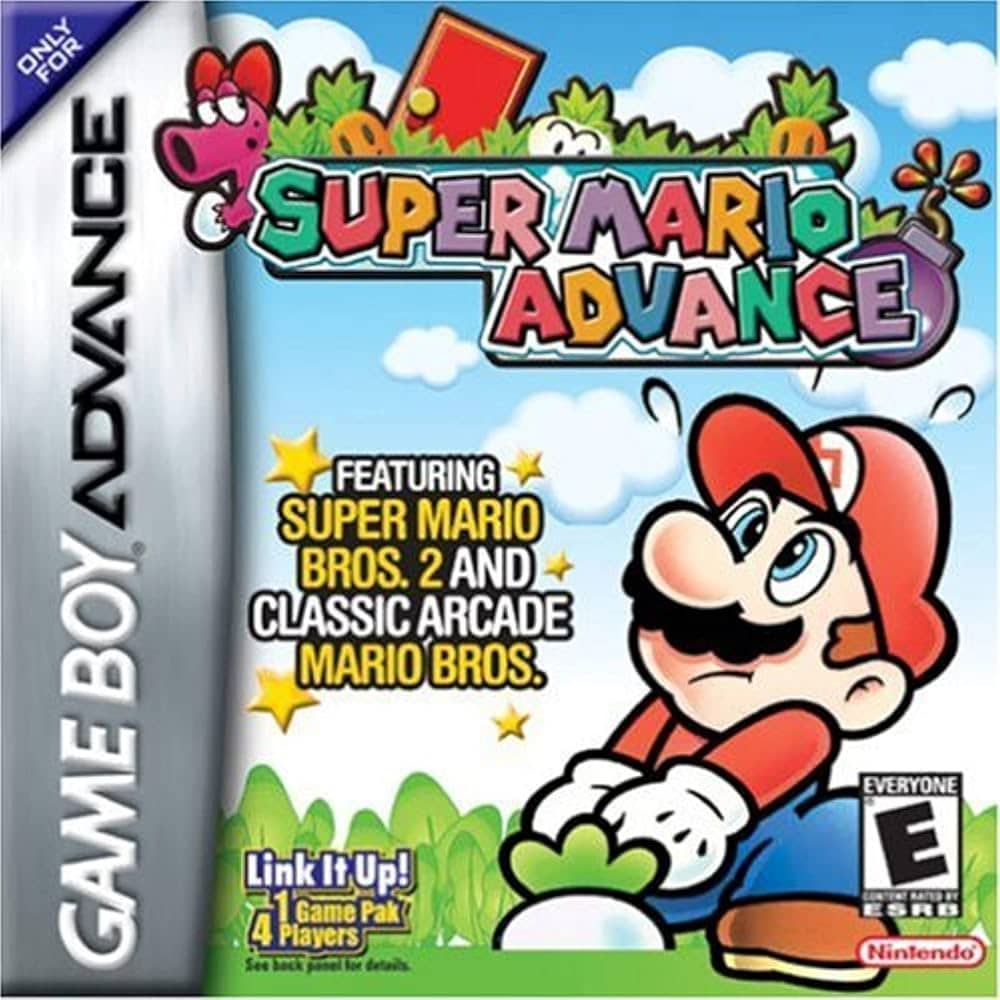
The 2001 Game Boy Advance game Super Mario Advance is an enhanced version of the Western Super Mario Bros. 2, with improved graphics and sound, new content, and an additional Mario Bros. game. So it belongs to the Western sequel's line.
Versions on This Site
The playable Super Mario Bros. 2 on this site is in English and features four characters pulling and throwing vegetables in Subcon, so it corresponds to the 1988 Western line, not the 1986 Japanese hard sequel.
This site also offers the 1993 Super Mario All-Stars and the 2001 Super Mario Advance. The former puts both lines in one compilation, while the latter is an enhanced follow-up to the Western sequel.
A note: "Japanese sequel" and "American sequel" are convenient shorthand in Chinese, but for precise reference, you should include the platform, year, and official name, to avoid mistakenly writing Super Mario USA as a 1988 Japanese release.