












01
Where the series began
Mario's roots go back to the 1981 arcade game Donkey Kong, where the character was known as Jumpman. Players guided him over rolling barrels and up scaffolding to rescue a captive from the ape. That core action of jumping became the foundation for the entire series. In 1983's Mario Bros., Jumpman officially got the name Mario and, alongside Luigi, cleared out turtles and other enemies in the sewers, introducing two-player cooperation and the move of hitting enemies from below.
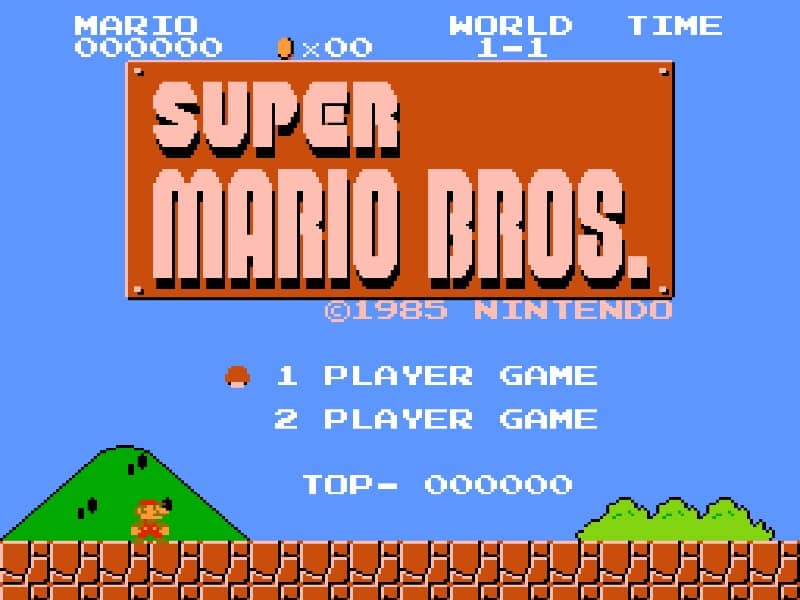
In 1985, Nintendo released Super Mario Bros. on the Famicom, and official history treats it as the starting point of the main Super Mario timeline. It combined running, jumping, stomping, bricks, coins, power-ups, and scrolling levels into a simple set of action rules. The character had momentum and a jump arc, and simple inputs still demanded practice to master the rhythm. That design of easy to pick up, hard to master was set from the first game.
The opening levels of Super Mario Bros. taught players how to move and act through the placement of enemies, bricks, question blocks, and terrain, with almost no text. This approach of hiding the tutorial in the level design became a frequently discussed hallmark of the series. Players learned the rules without realizing it, rather than reading a manual first.
02
How the series evolved
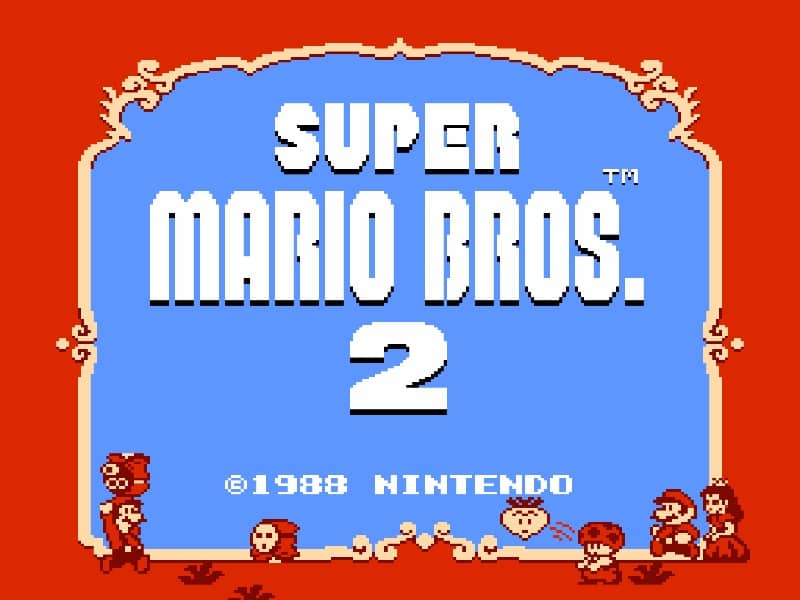
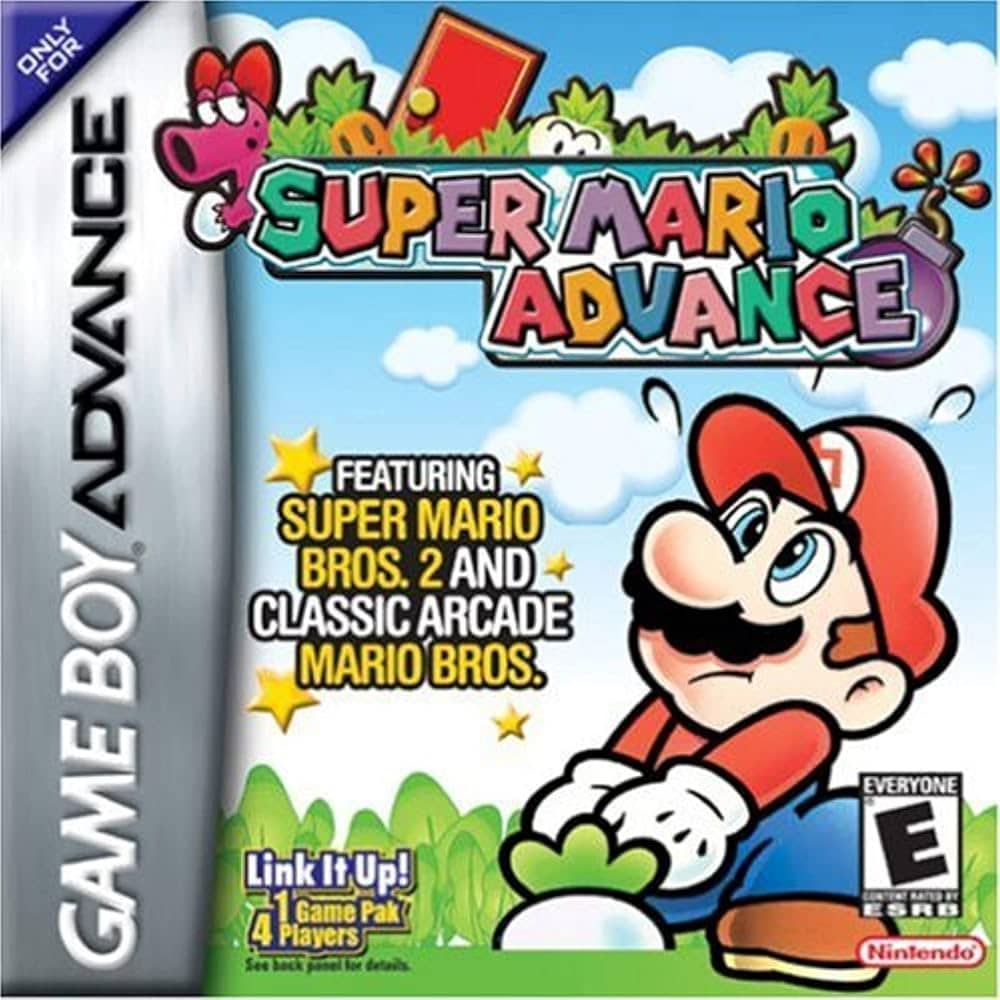
Super Mario Bros. 2 had completely different versions in different regions. The Japanese version was harder and later released as The Lost Levels; the Western version was adapted from another game, Yume Kōjō: Doki Doki Panic, and added the ability to pick up and throw items, plus character differences. This version discrepancy often confused players, but it was also part of the series' early localization strategy.
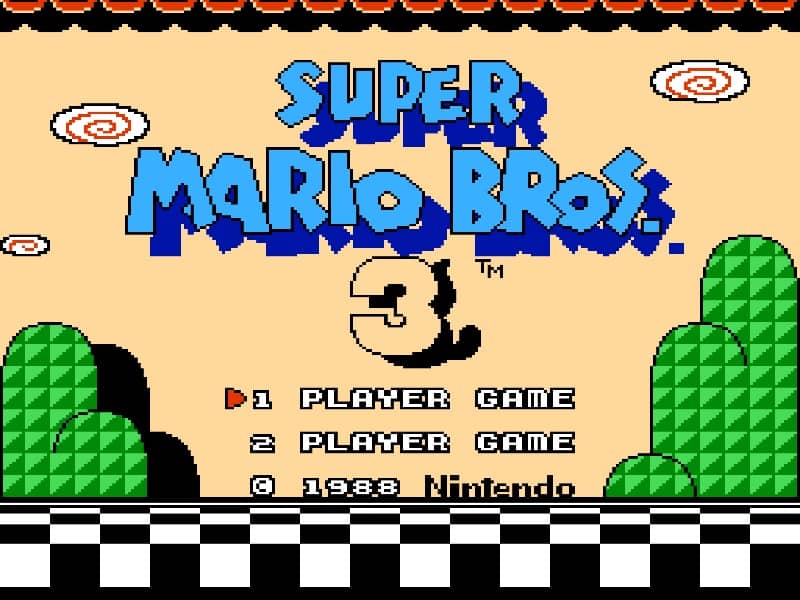
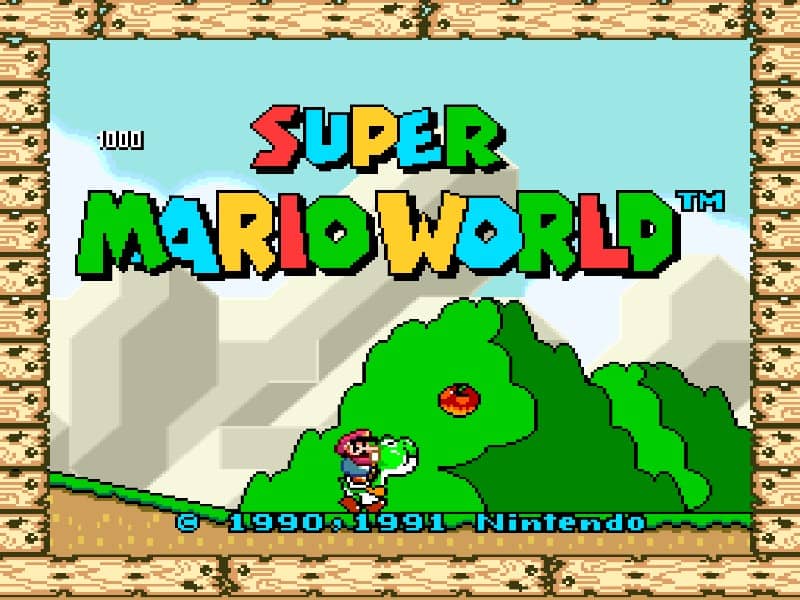
Super Mario Bros. 3 expanded the range of power-ups, maps, and themed levels, while Super Mario World introduced Yoshi, secret exits, and a more connected world map, continuing to enrich the 2D line. Meanwhile, Super Mario Land and Super Mario Land 2 on the Game Boy brought the side-scrolling gameplay to portable hardware and established characters and worlds like Sarasaland and Wario that would later expand.
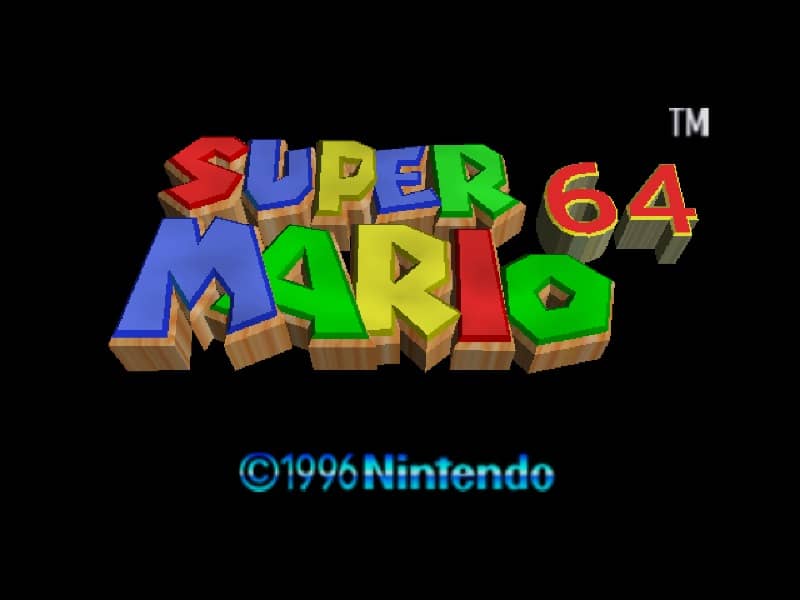
In 1996, Super Mario 64 launched with the Nintendo 64, using the analog stick for movement, adjustable camera, star objectives, and open 3D environments to establish a control and spatial language that influenced 3D action games broadly. Since then, the official timeline has continued with titles like Super Mario Sunshine, Galaxy, 3D Land, 3D World, Odyssey, and Super Mario Bros. Wonder, with 2D and 3D lines running in parallel.
03
Design and identity
The visual and audio identity of the Mario world is highly consistent: the red cap, mustache, mushrooms, bricks, pipes, coin sound, and level music make it instantly recognizable across generations. At the same time, each entry seeks new movement possibilities from the hardware, such as 3D camera control, motion controls, or open-area exploration.
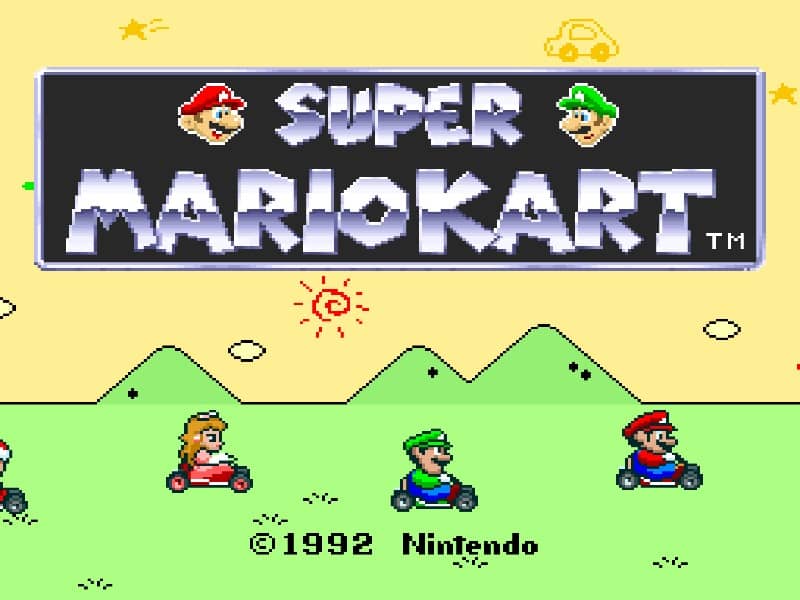
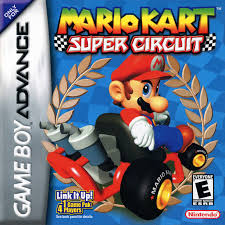
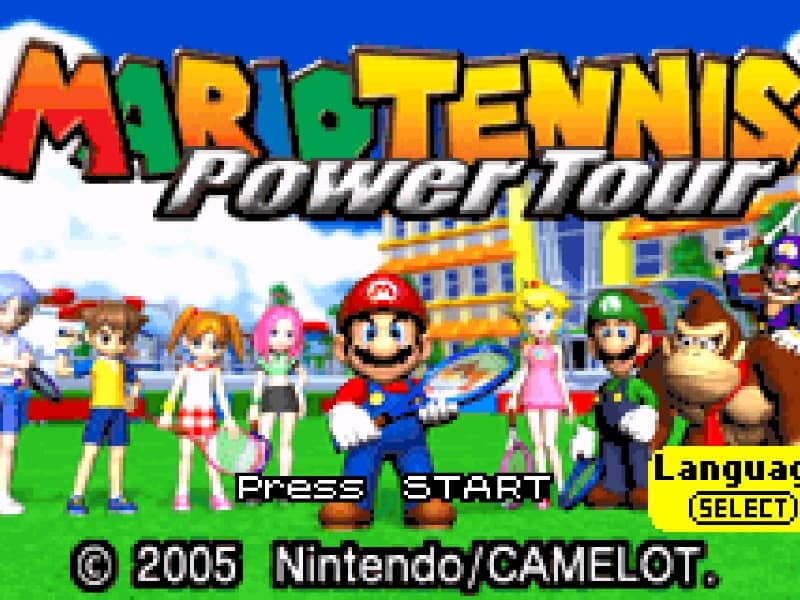
Mario is not just the platforming mainline. The official Mario Portal categorizes games into series like Mario Kart, Mario Party, Mario Tennis, Paper Mario, Mario RPG, and Mario Golf, with racing, party, sports, role-playing, and puzzle games as stable branches. Super Mario Kart brought familiar characters and items to racing, and Mario Kart 64 further established four-player local play and 3D tracks, making the racing branch one of the most important standalone series in the brand.
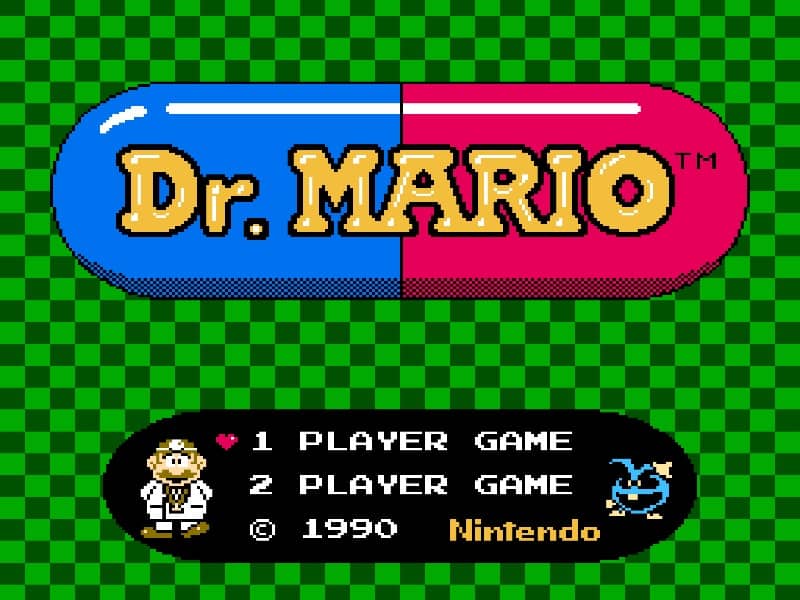
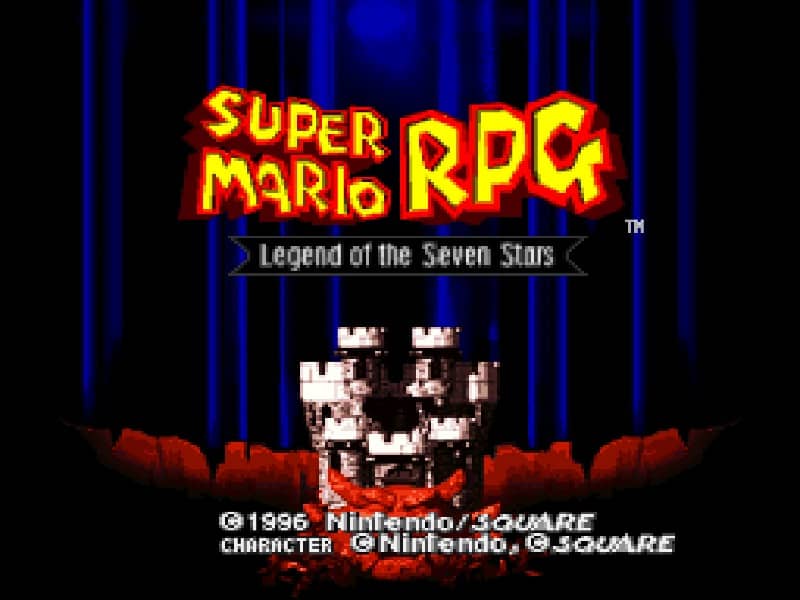
Games like Super Mario RPG, Paper Mario, and Mario & Luigi reinterpret the Mushroom Kingdom with turn-based combat, timed inputs, dialogue, and humor. They share characters with the platformers but have their own system traditions. Additionally, Dr. Mario, Picross, tennis, golf, and party titles show Mario often serving as a familiar guide into new genres; the character's role can change, but the principles of clear feedback and easy pick-up are usually retained.
04
Player culture and its place today
The series' long-lasting appeal comes from a two-layer design: first-time players can understand the goal and get immediate feedback, while veterans can pursue hidden routes, collectibles, speed, precise execution, or multiplayer competition. This design lets newcomers and old hands both find their own fun, and it supports player communities like speedrunning and full-collection runs.
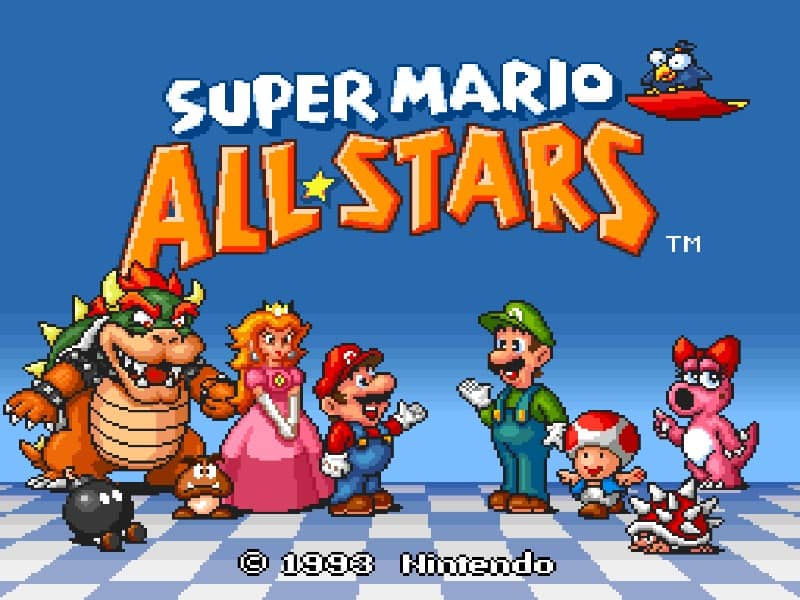
The local game library covers several 2D mainline titles, Mario 64, handheld entries, racing, party, RPG, sports, and puzzle branches, but there are duplicate records for the same game from different sources, so the section needs deduplication and clear distinction between mainline and spin-offs. Players may see different versions or regional names for the same game and should be aware.
Today, Mario remains Nintendo's iconic character, with the series spanning multiple genres and continuing to appear on new hardware. While this site has not yet collected the entire series, the included titles are enough to show its rich range from arcade jumping to 3D adventure, and from platforming to racing and RPGs.