






01
Where the series began
The Kirby series began in 1992 with Kirby's Dream Land on the Game Boy, developed by HAL Laboratory. Designed by Masahiro Sakurai, the game aimed to be approachable for players unfamiliar with action games. The original established the iconic elements of inhaling enemies, spitting star-shaped projectiles, flying, and a round, cute character design—all still hallmarks of the series today. However, the first game did not yet feature the famous copy ability, a common misconception worth clarifying.
Kirby's Dream Land presented a simple, bright adventure in black and white, where Kirby could handle most challenges with inhaling and flying. The difficulty was gentle, but the level design was clever, allowing newcomers to finish easily while offering exploration and challenge for veterans. This tone of 'friendly but not shallow' has been rooted in the series since its inception.
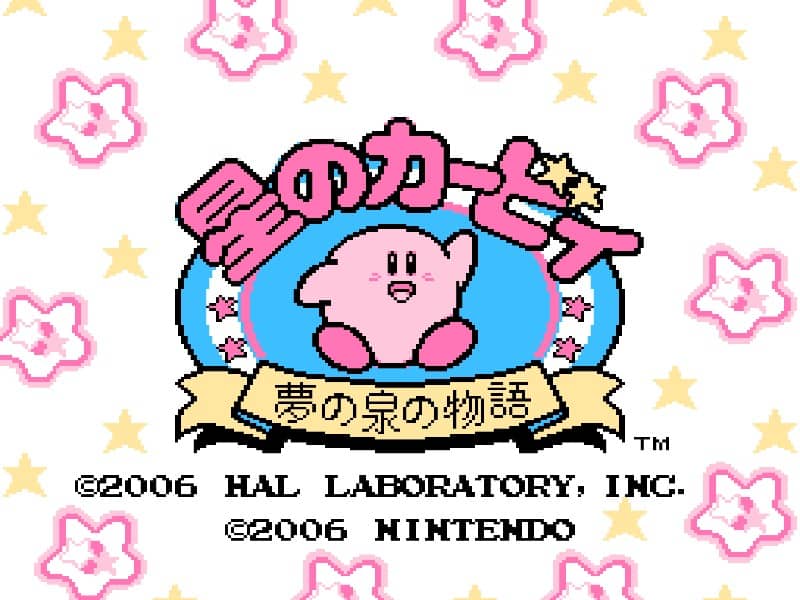
After the success of the first game, the series quickly expanded across Nintendo platforms. In 1993, Kirby's Adventure on the Famicom/NES introduced the copy ability, letting Kirby gain specific moves by inhaling certain enemies. This system became one of the series' most stable identities, greatly enriching combat and exploration. The game also expanded Dream Land with color graphics and introduced characters like Meta Knight, setting the stage for future stories.
02
How the series evolved
The addition of the copy ability was a key step in the series' evolution. Starting with Kirby's Adventure, inhaling enemies became more than just an attack—it became a strategic choice. Players had to decide whether to copy based on enemy type and how to use abilities against levels and bosses. This mechanic deepened over subsequent titles, becoming a core part of the series.
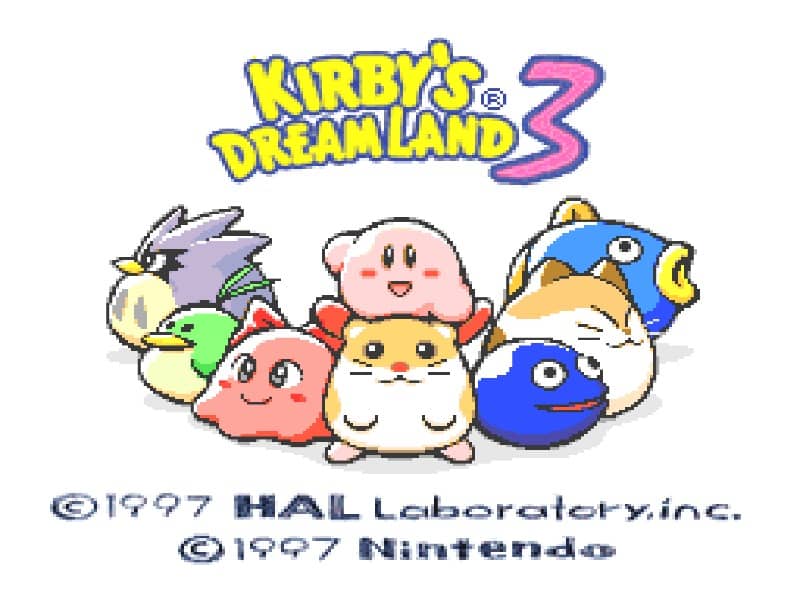
Kirby's Dream Land 2 (1995) introduced animal companions—Rick, Kine, and Coo—who could combine with copy abilities to change movement and attack styles. Kirby's Dream Land 3 (1997) continued this path with soft, crayon-and-picture-book visuals that stood out from other games on the same console. Animal companions added variety and reinforced the series' warm, natural atmosphere.
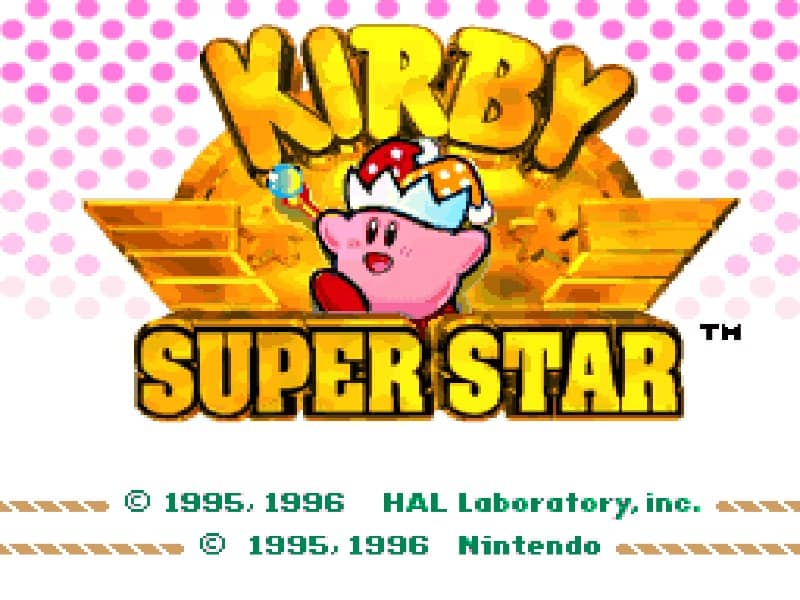
Kirby Super Star (1996) was a bold reinvention. It consisted of multiple modes of varying lengths, including reimagined early adventures, racing, treasure hunting, and a more complete story mode. Two-player co-op and the Helper system allowed friends to play together or have an assistant fight alongside. This modular design broke the linear structure of traditional action games, injecting new energy into the series. In 2008, Kirby Super Star Ultra on Nintendo DS remade Super Star with new modes and presentations, but as a remake and expansion, it should not be considered a new numbered mainline title.
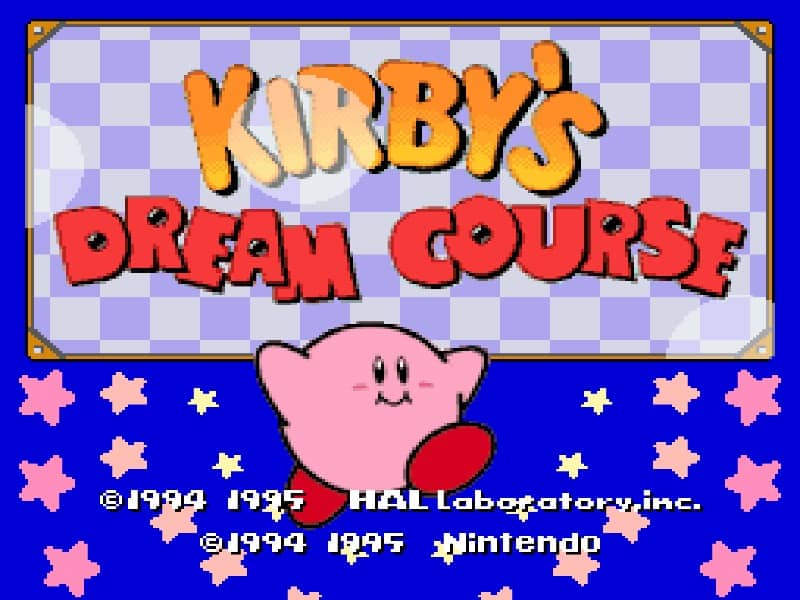
In 2000, Kirby 64: The Crystal Shards on Nintendo 64 brought the series into the 3D era, though gameplay remained side-scrolling. Its biggest innovation was combining two copy abilities to create entirely new effects, like sword and fire merging into a flame sword. This combination system encouraged experimentation and added depth. The series also tried gameplay branches, such as the golf-like Kirby's Dream Course and the tilt-sensor Kirby Tilt 'n' Tumble, which are not platforming mainline entries but show the series' willingness to explore new play styles.
03
Design and identity
The core of Kirby's design is 'friendliness.' Game difficulty usually lets players complete the basic journey easily, but hidden collectibles, ability research, arenas, and extra modes offer challenges for those who want to dig deeper. This design philosophy makes the series suitable for casual players while also appealing to hardcore fans, rather than being simply 'childish' or 'unchallenging.'
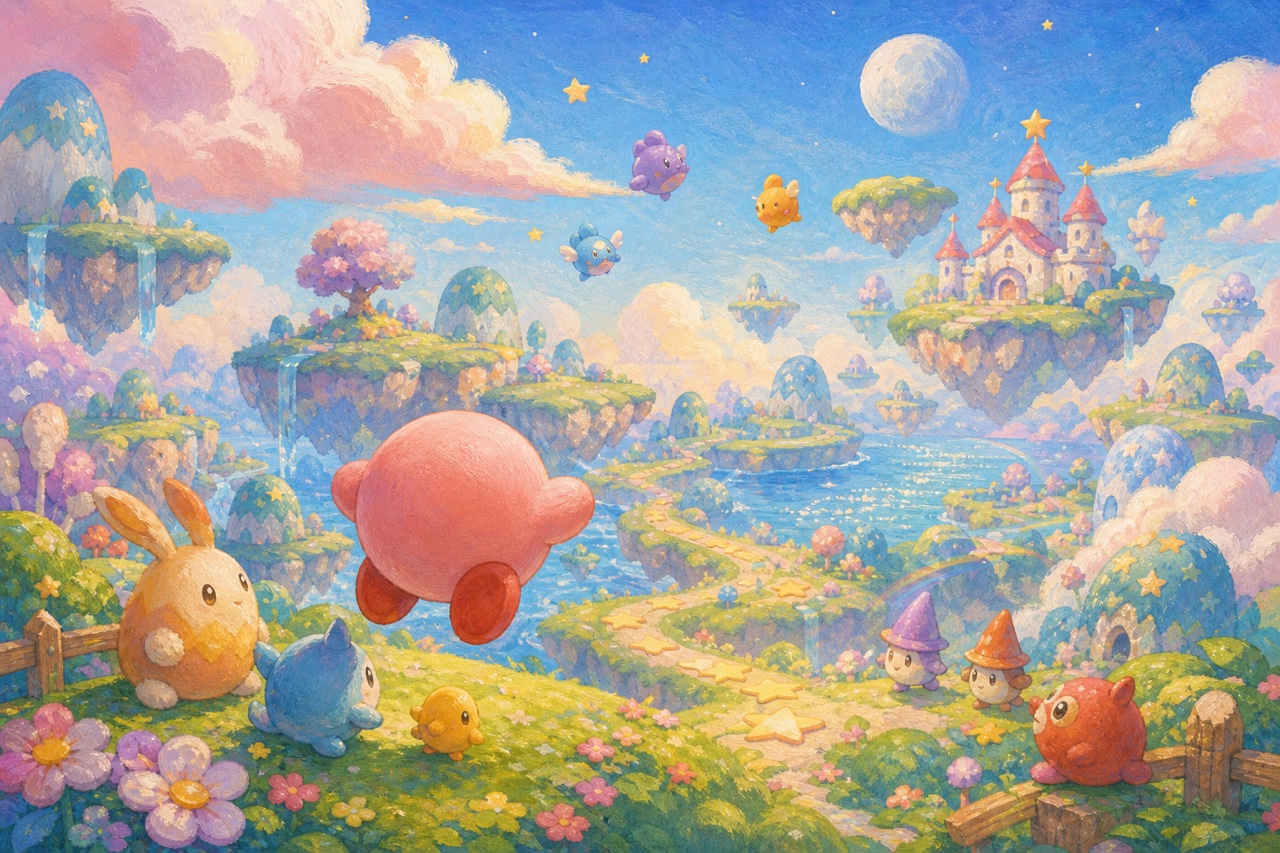
The art style features round shapes, bright colors, and lighthearted elements like food, but the stories and presentations often veer into cosmic threats, ancient devices, and serious boss battles. This contrast has become a long-standing trait: cute on the surface, yet hiding unexpected depth and drama. For instance, Kirby: Squeak Squad's story revolves around a misunderstood stolen cake, but behind it lies a mysterious Squeak Squad and powerful abilities.
Music, copy ability icons, victory dances, and familiar characters recur across different hardware, making the black-and-white Game Boy visuals, 16-bit pixels, and later 3D graphics recognizable as the same world. This consistency gives veterans a sense of familiarity and makes it easy for newcomers to enter. The series doesn't chase realism or complexity but sticks to its own visual and auditory language, creating a unique identity.
04
Player culture and its place today
The Kirby series holds a special place in players' hearts. Unlike some hardcore action games that emphasize challenge, it attracts people with its relaxed, enjoyable experience and creative ideas. In the player community, Kirby's cute image and diverse abilities are often used for fan works, while hidden elements and arena modes have spawned speedrunning and challenge play.
The series continues to release new titles, but this site currently features ten official playable games, covering early platformers, the animal companion path, the Super Star structure, and branches like golf and tilt controls. In the section layout, core platforming titles are placed first, with branches and remakes after, reflecting the series' main line and development.
For veteran players, Kirby is part of childhood memories; for newcomers, it remains an excellent entry point to action games. The series has spanned multiple hardware generations while maintaining its core fun and approachability. Whether on the black-and-white handheld original or later colorful adventures, Kirby's world remains warm and full of surprises.