



01
Where the series began
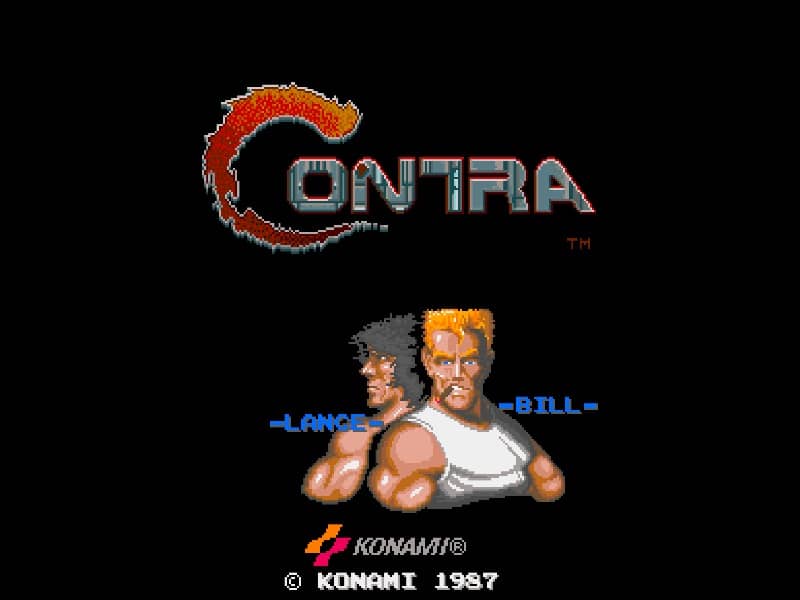
In 1987, Konami released the original Contra in arcades. Official materials treat this game as the starting point of the series and credit it with shaping key traits of the run-and-gun genre. The core experience had players switching between side-scrolling, top-down, and pseudo-3D base levels, with characters able to run, jump, crouch, and shoot in multiple directions. Constant enemy waves and massive bosses forced players to keep moving, leaving little room to catch their breath.
The original arcade version laid the series' foundation: fast pacing, high difficulty, and a premium on reflexes and execution. Level design made the most of shifting perspectives—from horizontal scrolling to vertical scrolling to base interiors with a sense of depth—so each stage felt fresh. This variety, combined with dense enemy fire and huge bosses, made the game a hit in arcades.
In 1988, the Famicom/NES version hit stores. This home port wasn't a simple shrink of the arcade screen; it was rebuilt and expanded for home hardware. It offered a longer campaign and pacing better suited to TV play, becoming the version most players in many regions knew best. For countless players, the NES Contra was their first stop in the series and remains the definitive form in their minds.
02
How the series evolved
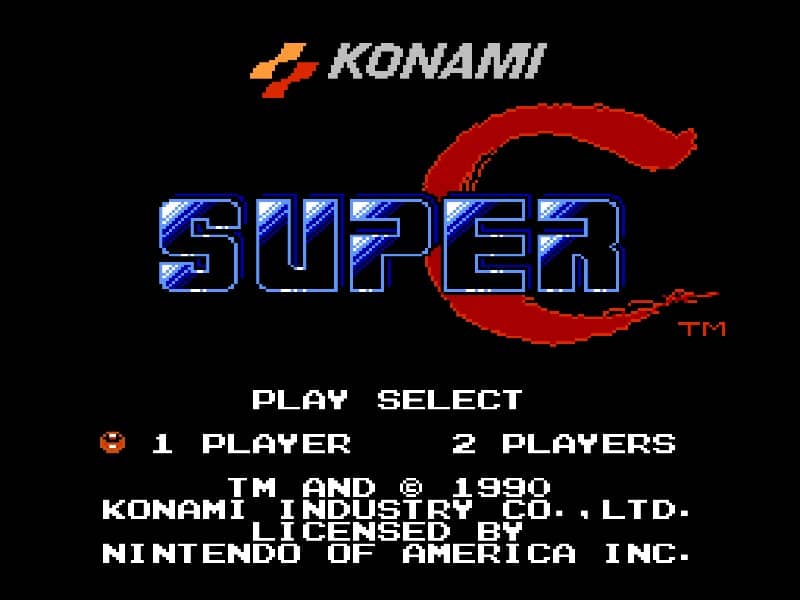
The series quickly spawned sequels after the original's success. In 1988, Super Contra hit arcades, adding top-down stages alongside the side-scrolling ones to enrich the gameplay. Home versions were released under names like Super C in different regions, reflecting the marketing environment of the time; not every packaging difference should be mistaken for a separate mainline entry.
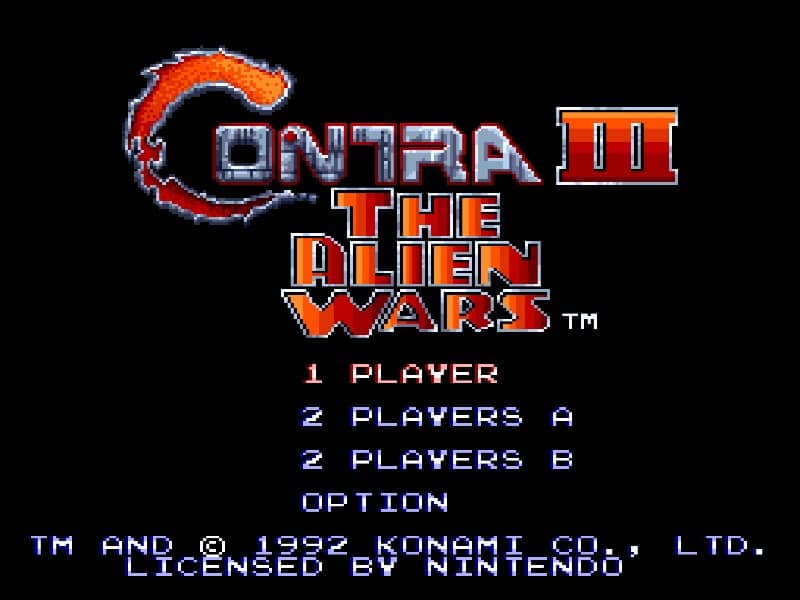
In 1992, Contra III: The Alien Wars arrived on the Super NES. This game made full use of the hardware's power, delivering high-speed battlefields, rotating and scaling top-down stages, and over-the-top bosses, pushing the series toward more dramatic console spectacle. It's widely considered the peak of the series in the 16-bit era, and its intense level design and stunning visuals are still talked about by players today.
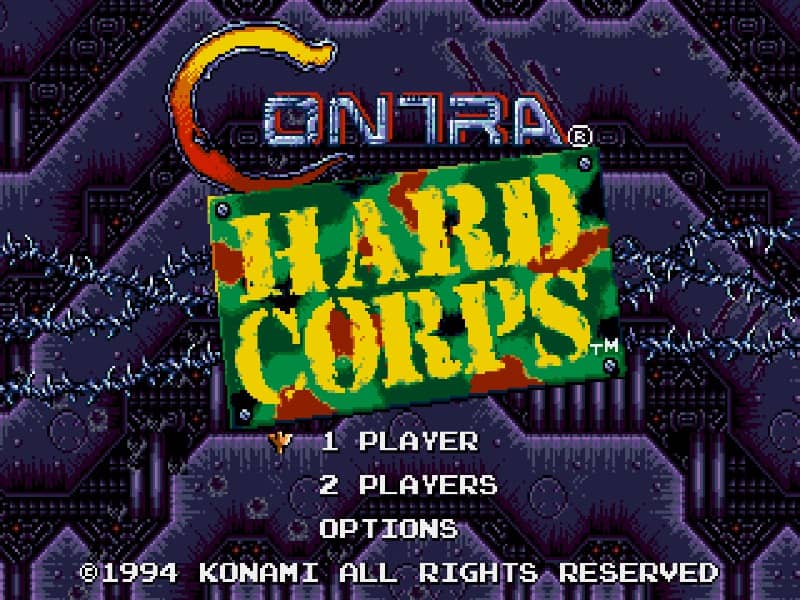
In 1994, Contra: Hard Corps landed on the Genesis/Mega Drive. This game offered multiple selectable characters, each with distinct abilities, and introduced branching paths and multiple endings, with even tighter combat. It proved the series didn't have to stick with the same pair of heroes forever and pointed the way forward for the franchise.
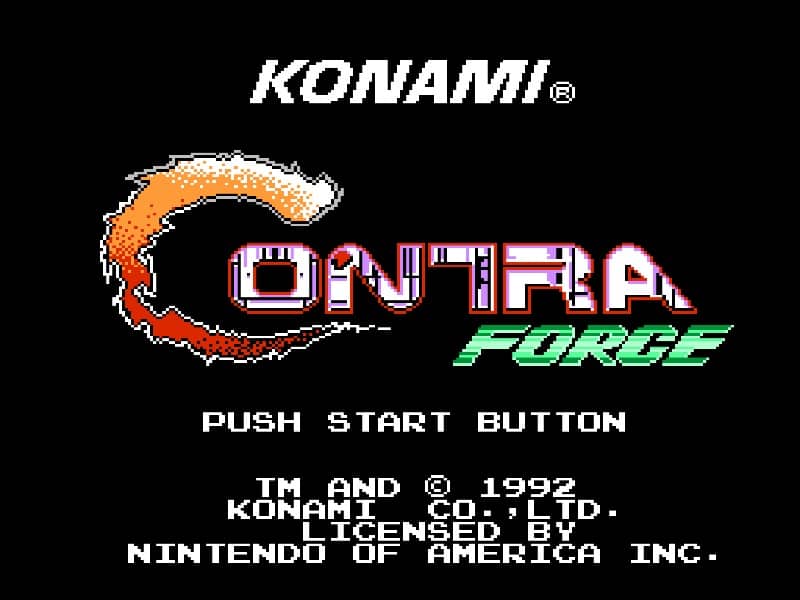
During the 2D era, the series also tried spin-offs. The 1992 NES game Contra Force featured different characters and class-based abilities; databases might list it as 'Super Contra Force,' but the section should mark it as a spin-off based on official relationships, not mistake the name for an enhanced version of Super Contra. Later, in the late 1990s, Legacy of War and C: The Contra Adventure attempted 3D, but their reception and influence were less stable than the earlier 2D titles—a real chapter in the series' transition to new hardware.
03
Design and identity
Contra's core character is speed, tension, and cooperation. Two-player simultaneous play is a vital part of the experience, but cooperation doesn't mean easier difficulty: two players have to fight over weapons, coordinate screen scrolling and respawn timing, and can even trip each other up. This co-op mode created a unique blend of fun and challenge among friends.
The weapon system is another hallmark. Spread shot, laser, fireball, and others change combat through easily recognizable icons and projectile patterns, and players need to pick the right tool for the level and enemy type. However, a mistake wipes out your power-ups, so you're constantly torn between building up firepower and the fear of losing it all in one death. This design makes every death feel costly and pushes players to be more careful.
The series' difficulty isn't just about enemy health; it comes from enemy placement, bullet patterns, terrain, scrolling, and weapon loss. Once you get familiar, the chaotic screen gradually becomes a readable route, and that journey from chaos to clarity is a big part of the appeal. Players master each stage's rhythm through repeated attempts and eventually clear it smoothly—a satisfaction few other games can match.
Contra's narrative is usually straightforward: soldiers, alien threats, military bases, and explosions provide a reason to act. What sticks with you is the level pacing, the co-op sessions, and the gradual mastery with limited lives. The story isn't complex, but the gameplay experience leaves a deep mark.
04
Player culture and its place today
The Contra series holds a special place in player culture. The Konami Code became widely known for granting extra lives in the NES Contra, even though it originated with Gradius's development testing; Contra's role in popularizing it can't be overstated. This cheat code became part of gaming culture, referenced and honored by countless games.
Later entries like Shattered Soldier, Contra 4, Hard Corps: Uprising, and Operation Galuga returned to or reimagined the side-scrolling shooter core. These games kept the series' essence while trying new mechanics and presentation, giving both old and new players something to enjoy. Still, the section shouldn't pretend the local game library covers the full history; many Contra games and versions remain uncollected.
Regional versions used different names and character designs, like Contra, Gryzor, and Probotector. These differences stemmed from the marketing environment of the time. For instance, in some regions, characters were changed to robots to meet local censorship rules. These version differences add complexity to the series but also reflect how games adapt culturally as they spread globally.
Today, Contra remains one of the defining names in the run-and-gun genre. Its design philosophy influenced many later games, and its high difficulty and co-op play are still discussed and challenged by players. For veterans, Contra is a childhood memory; for newcomers, it's a classic worth experiencing.