





01
Where the series began
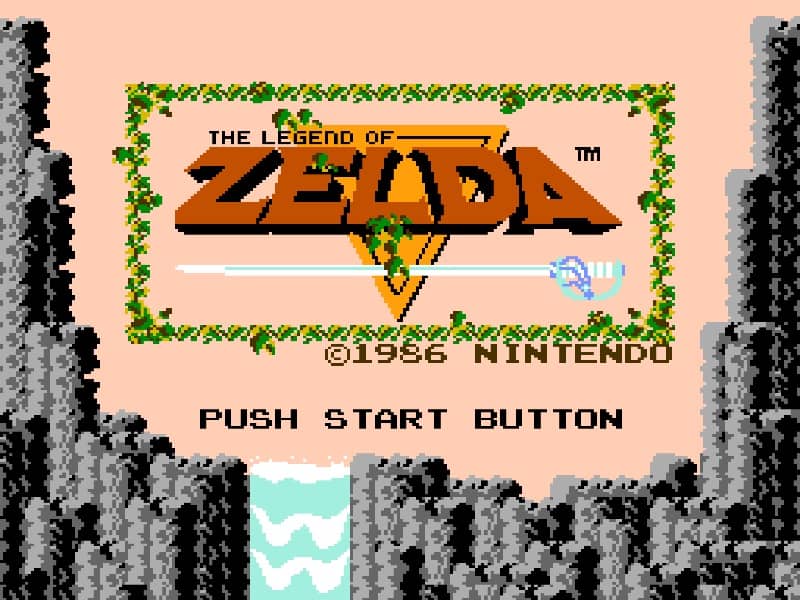
In 1986, Nintendo released the original The Legend of Zelda on the Famicom Disk System, with a cartridge version later that year in Japan and a North American NES release in 1987. Designed by Shigeru Miyamoto and Takashi Tezuka among others, it laid the series' foundation. The game dropped players into a top-down Hyrule where they had to find dungeons, items, and routes on their own, emphasizing self-discovery over linear progression through a structure of map, exploration, combat, and gradually gaining new abilities.
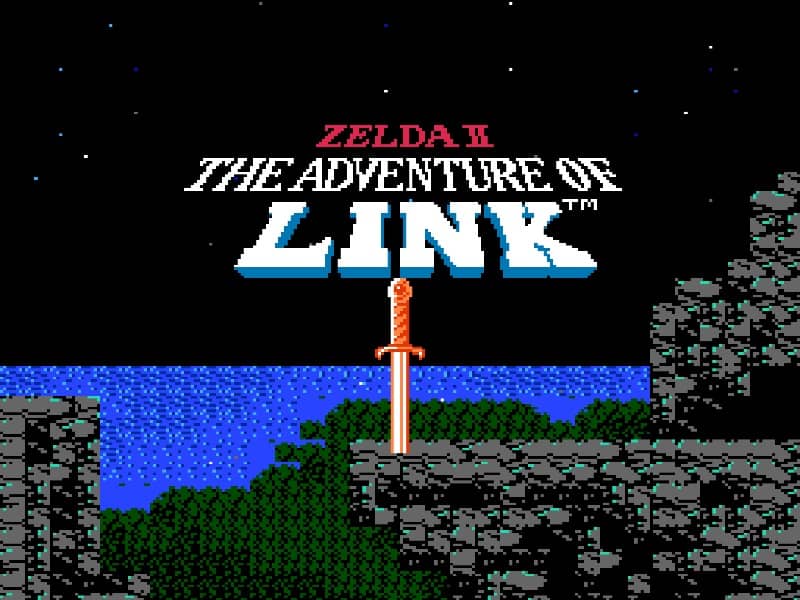
1987's Zelda II: The Adventure of Link was the series' most dramatic early rule change. It combined a top-down world map with side-scrolling action scenes, adding experience points, levels, and more direct swordplay, a stark contrast to the original's top-down exploration. This bold experiment foreshadowed the series' later diversity.
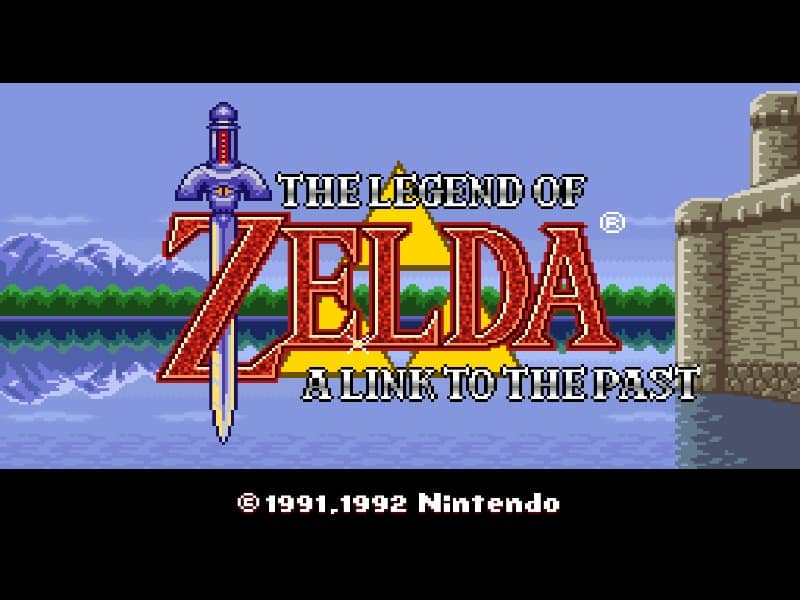
1991's Super Famicom game A Link to the Past returned to top-down exploration, using the parallel Light and Dark Worlds, clearer dungeons, and item progression to refine the structure that many later 2D entries would follow. It is regarded as the classic template for 2D Zelda and influenced many subsequent games.
02
How the series evolved
1993's Game Boy title Link's Awakening was the first to set its main adventure outside Hyrule, following Link on a mysterious island. The 1998 Game Boy Color DX version added color and color-based puzzles, but it's an enhanced port, not a new mainline entry—a distinction worth keeping in mind when looking back.
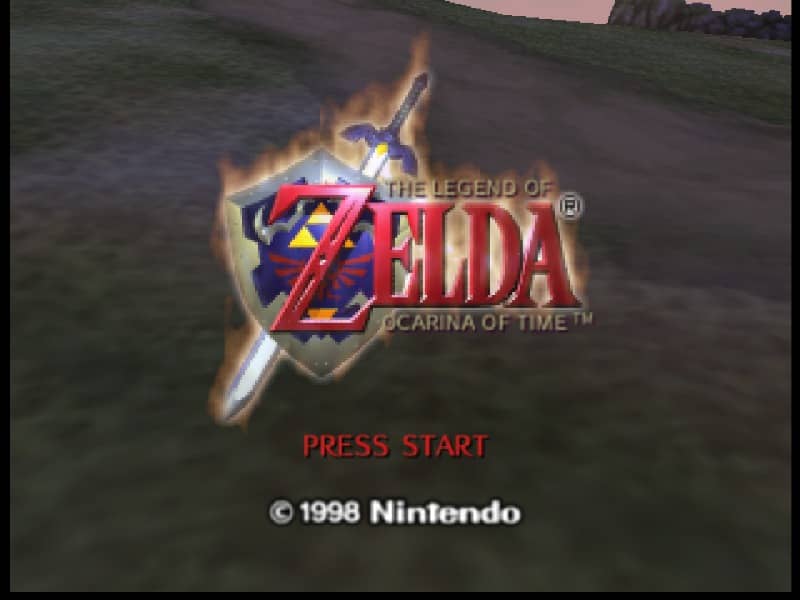
1998's Nintendo 64 game Ocarina of Time moved the series into 3D, using lock-on targeting, a controllable camera, time travel, and three-dimensional dungeons to keep melee combat and spatial puzzles clear in a 3D space. It became a benchmark for 3D action-adventure and deeply influenced later game design.
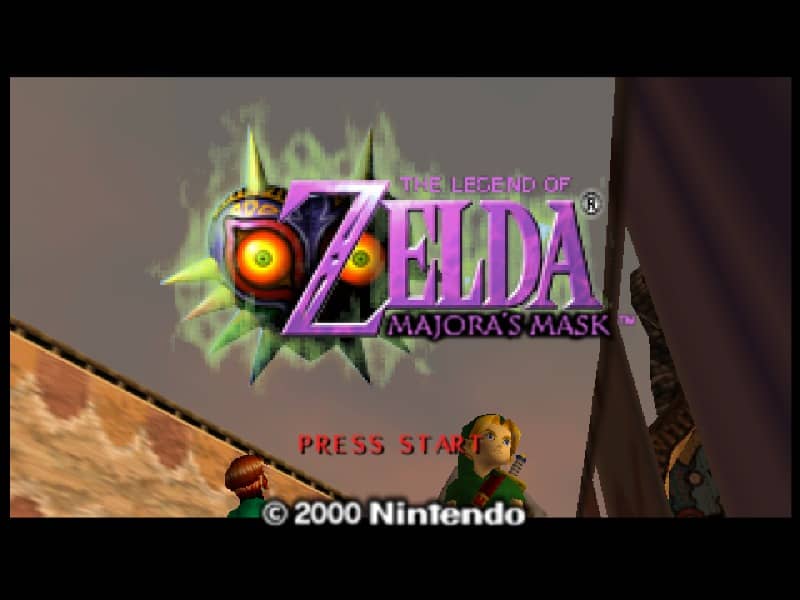
2000's Majora's Mask built on Ocarina of Time's engine but created a completely different rhythm with its three-day cycle, mask transformations, and a town on a repeating schedule. This bold innovation showed the series was still willing to take risks in the 3D era.
2001's Game Boy Color games Oracle of Seasons and Oracle of Ages were developed with Capcom's Flagship team. The former focuses on changing the environment and action challenges through seasons, while the latter emphasizes time-based changes and puzzles. They can link via passwords to extend the story, but each has its own focus, so neither should be treated as a mere variant of the other.
03
Design and identity
The series' shared identity isn't tied to a fixed camera or hardware, but to letting players understand the world's rules through exploration: new items often serve both as combat tools and as keys to opening routes, understanding spaces, and revisiting old areas. This design runs through both 2D and 3D entries, keeping exploration full of discovery.
Music, Hyrule, Link, Zelda, Ganon, and the Triforce recur, but most games don't follow a single continuous timeline. Similar characters and place names may appear in different eras and world states, so don't treat every game as one continuous story of the same Link and Zelda.
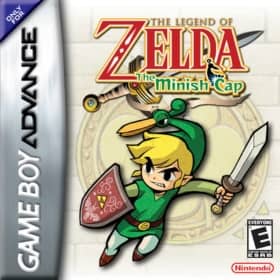
Even in the 2D era, the series kept trying new directions, such as Link's Awakening's island setting, the Oracle games' linking mechanic, and The Minish Cap's shrinking ability. These games each brought unique gameplay and flavor while staying true to the core spirit of exploration.
04
Player culture and its place today
The Legend of Zelda holds a special place in players' hearts, and its exploration and puzzle design are widely discussed and imitated. The community often shares guides, analyzes puzzles, and debates connections between games, but this site currently covers official titles from 1986 through the Nintendo DS era, not the full official timeline, and doesn't include ROM hacks or fan mods.
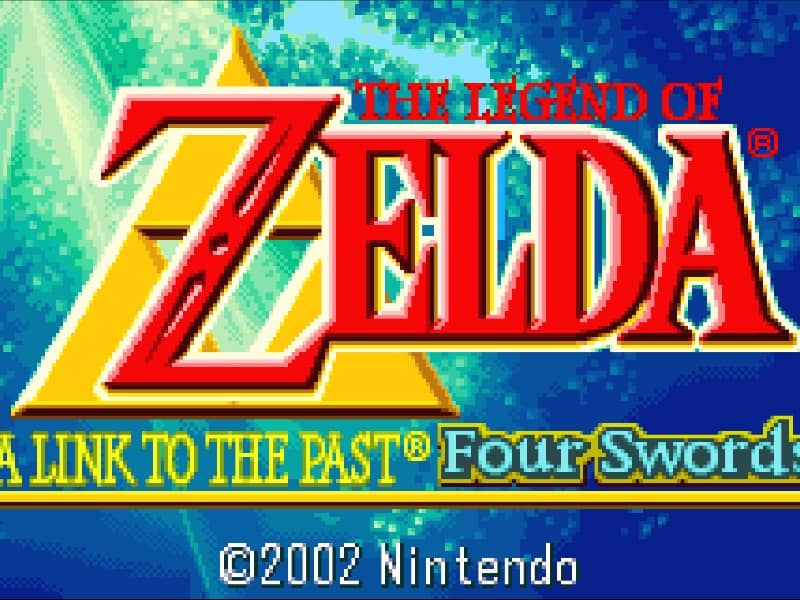
Some entries are easy to confuse: A Link to the Past & Four Swords is a GBA port bundled with a new multiplayer game, while Four Swords Adventures is a standalone GameCube title—they shouldn't be mixed up. Similarly, Phantom Hourglass and Spirit Tracks are both DS touch-controlled games, but each has its own character.
This site's section gives each game one primary playable record: duplicate entries for Ocarina of Time, Majora's Mask, and Phantom Hourglass aren't listed twice, and remakes or enhanced versions come after the core game. This keeps things clear while respecting each game's independent value.