

01
Where the series began
In 1994, SNK released The King of Fighters '94, the game fans know as the first KOF. It brought together fighters from Fatal Fury and Art of Fighting, along with characters from older titles like Ikari Warriors, Athena, and Psycho Soldier, all in one tournament. This crossover concept let players see characters from different games face off in the same title.
KOF '94's most defining innovation was the fixed three-person team. Matches were fought in a relay format: when one fighter lost, the next stepped in, with the winner keeping their remaining health. The order of entry, character matchups, and remaining health all shaped the flow of battle. SNK's official materials cite the three-on-three team battle as KOF's most iconic creation, as it required players to master more than one character and made the arrangement of vanguard, middle, and anchor a key part of strategy.
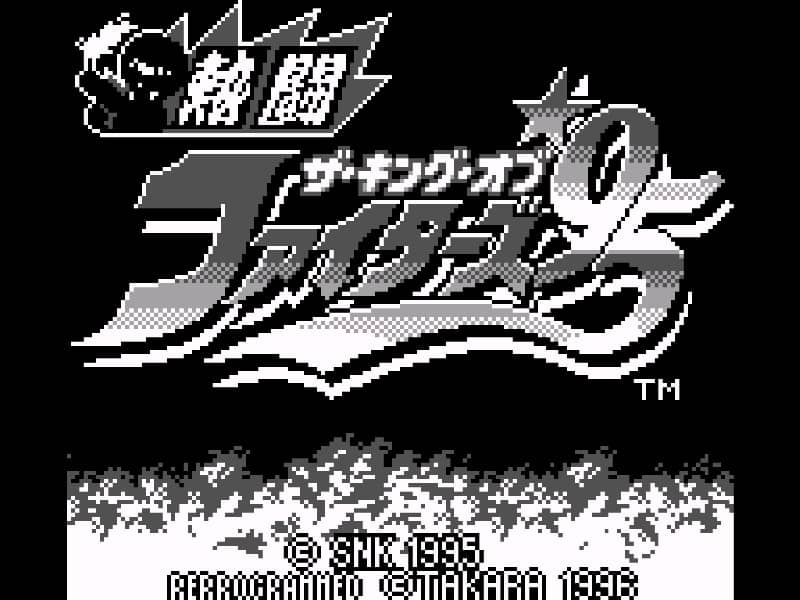
KOF '95 introduced free team building, letting players pick any three characters, and also debuted Iori Yagami. The rivalry between Kyo Kusanagi and Iori became a central pillar of the series' character drama from then on. Free team building let players craft squads based on personal preference and tactics, deepening the strategic layer of team battles.
02
How the series evolved
During the 1990s, KOF kept a near-annual release pace, primarily on the NEOGEO MVS arcade board and home cartridge versions. This frequent cadence kept players discussing new characters, systems, and balance changes. The yearly update model kept the series feeling fresh in arcades.
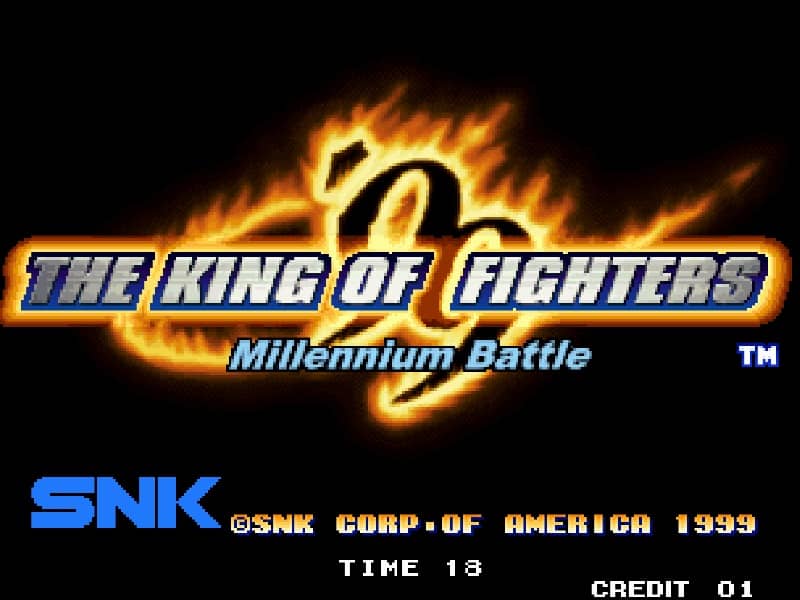
Officially, the story is divided into arcs: the Orochi Saga, the NESTS Saga, the Ash Saga, and the new saga. The Orochi Saga began with '94 and reached its climax in '97; '99 shifted focus to K' and the secret organization NESTS. The narrative unfolds through team endings, pre-match dialogue, and yearly installments, rather than following a single protagonist. SNK describes this multi-perspective, chapter-based structure as akin to a long-running serialized story.
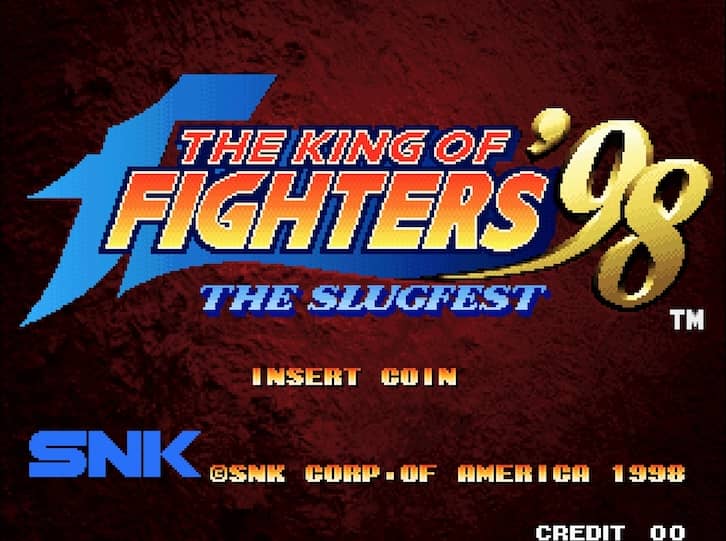
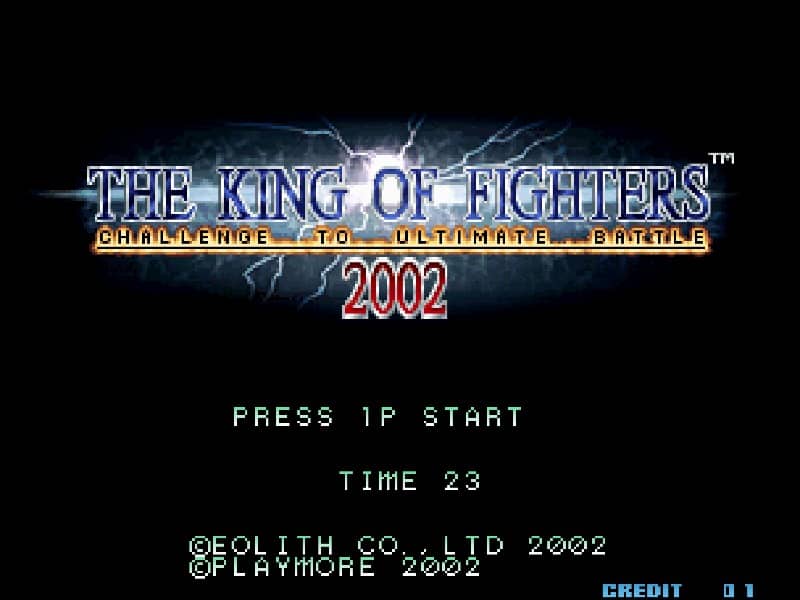
KOF '98 and KOF 2002 are generally considered Dream Match titles that don't advance the main plot. They bring together characters from various eras, emphasizing roster, systems, and overall gameplay completeness. These two games are highly popular among players but are not continuations of the main storyline.
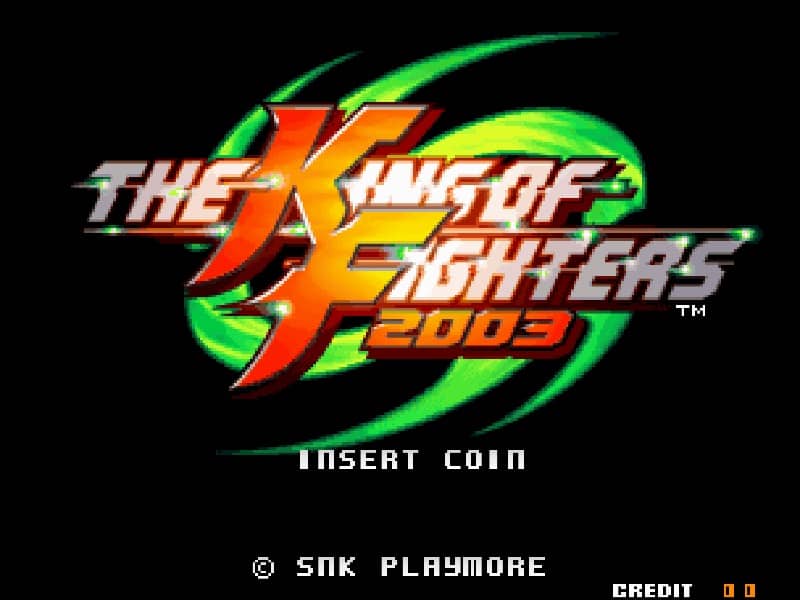
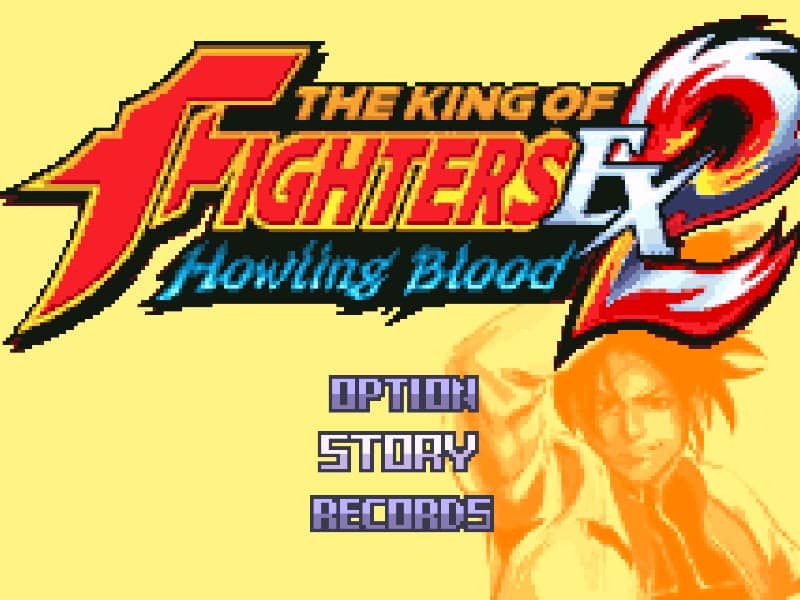
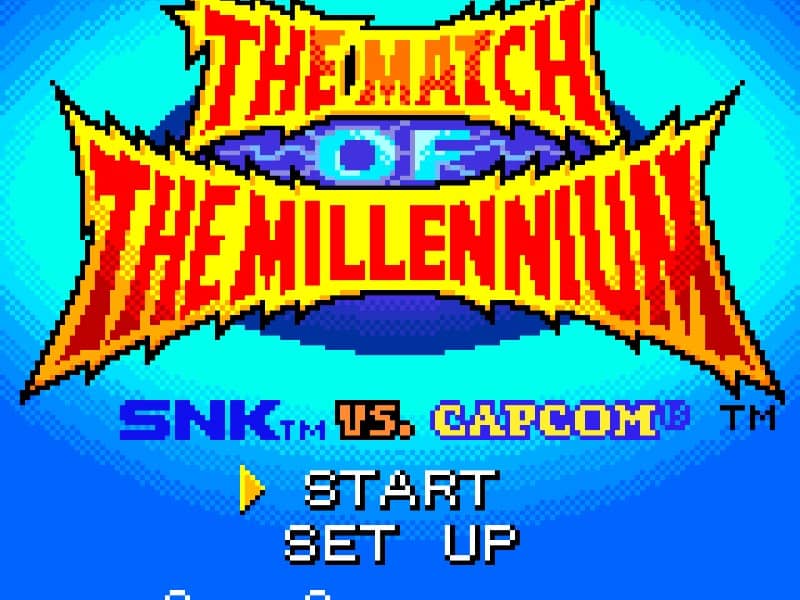
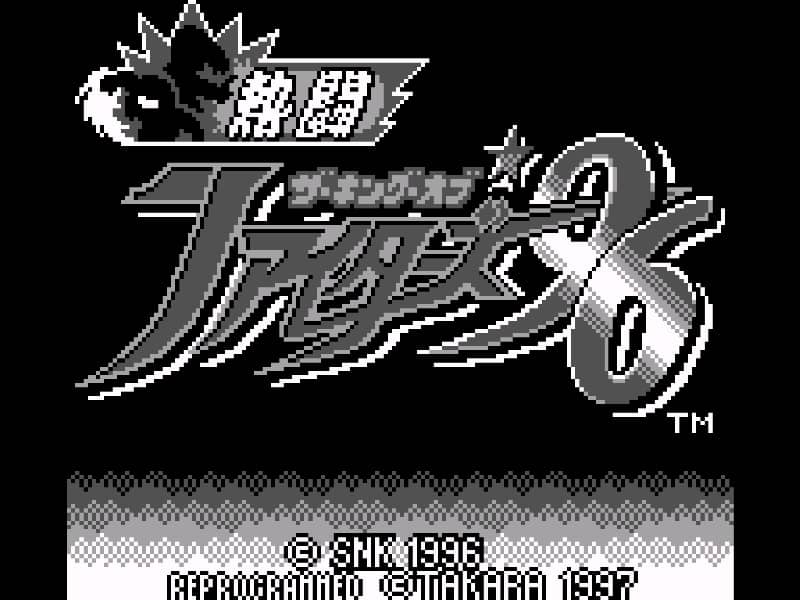
KOF '99 introduced the Striker support character, and KOF 2003 brought in Multi-Shift, allowing mid-match character swaps. The series has repeatedly tweaked the three-person team rules, but the traditional relay format remains the most recognizable core. Additionally, handheld versions and the EX series are ports, adaptations, or spin-offs; they show how the series adapted to different hardware but don't replace the historical position of the main numbered yearly titles.
03
Design and identity
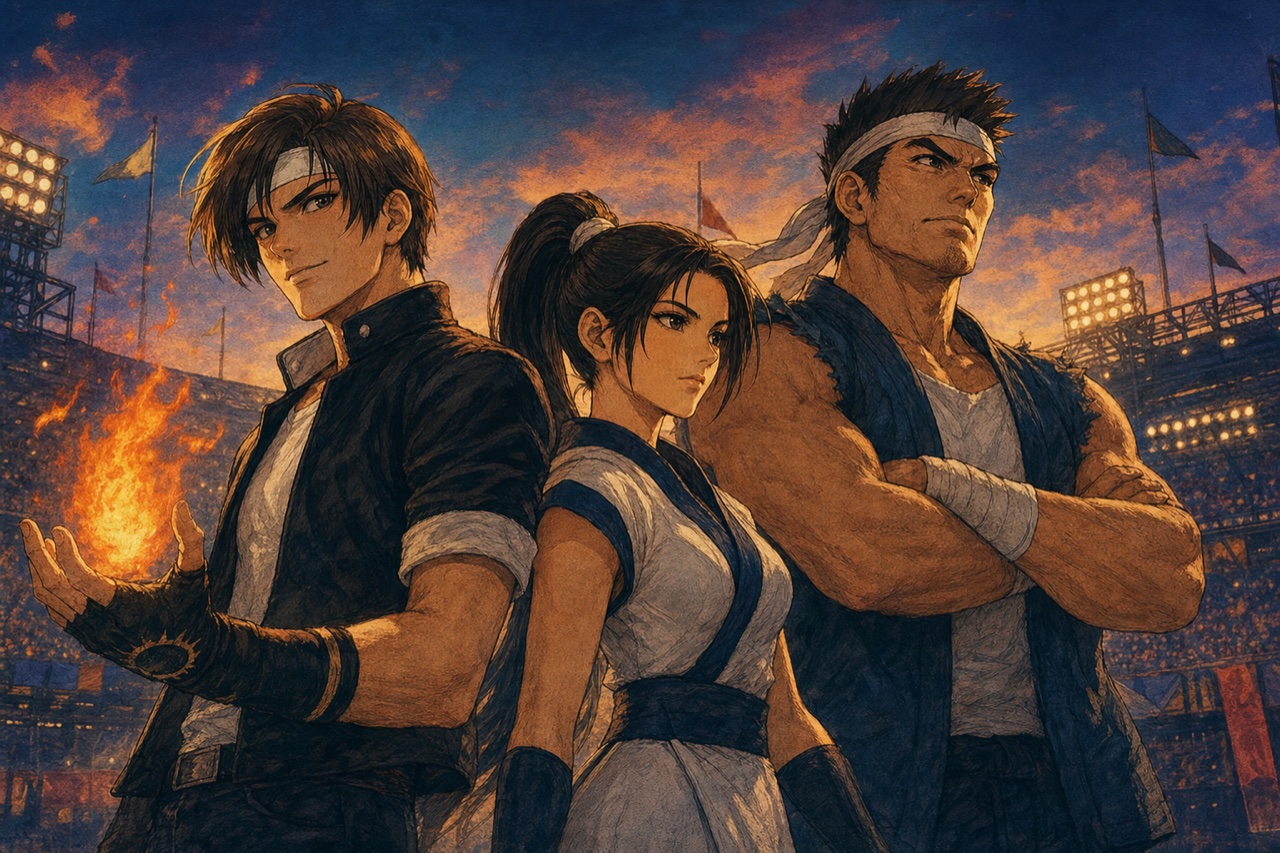
KOF's characters come from multiple games and countries, yet they gain new identities through team affiliations. Teams like the Japan Team, Fatal Fury Team, Art of Fighting Team, Ikari Team, and Women Fighters Team serve both gameplay and narrative, building relationships like a cast list in a drama. This team-based structure makes character interactions a major draw.
The series' storytelling often unfolds through team endings, pre-match dialogue, and yearly installments, rather than relying on a single protagonist. SNK likens this multi-perspective, chapter-based structure to a long-running serialized story. Players experience the characters' individual storylines while enjoying the fights.
Music, stage backgrounds, character costumes, and move presentations give KOF its distinctive flair. Character design isn't just about martial arts styles; it also emphasizes street fashion, poses, and personality contrasts among teammates. This approach makes characters more recognizable and gives the game a unique visual and auditory style.
04
Player culture and its place today
KOF has fostered long-standing arcade and competitive communities in Asia, Latin America, and beyond. Different regions may favor different versions, but '97, '98, and '2002 are especially popular and frequently played. These versions hold a special place in players' hearts and remain staples at offline gatherings and online matches.
KOF XIV shifted the main series to 3D visuals, and KOF XV, released in 2022, became the fifteenth numbered mainline entry. SNK's official series page clearly distinguishes the fifteen mainline numbered titles from the many spin-offs. Newer games preserve the core gameplay while using modern technology, continuing to attract both new and veteran players.
KOF's appeal lies in the coexistence of crossover spectacle and ongoing story: players can follow familiar characters or recombine three fighters from different teams to craft their own battle solutions. This blend of freedom and narrative makes the series stand out in the fighting game genre and keeps it active in player communities today.